
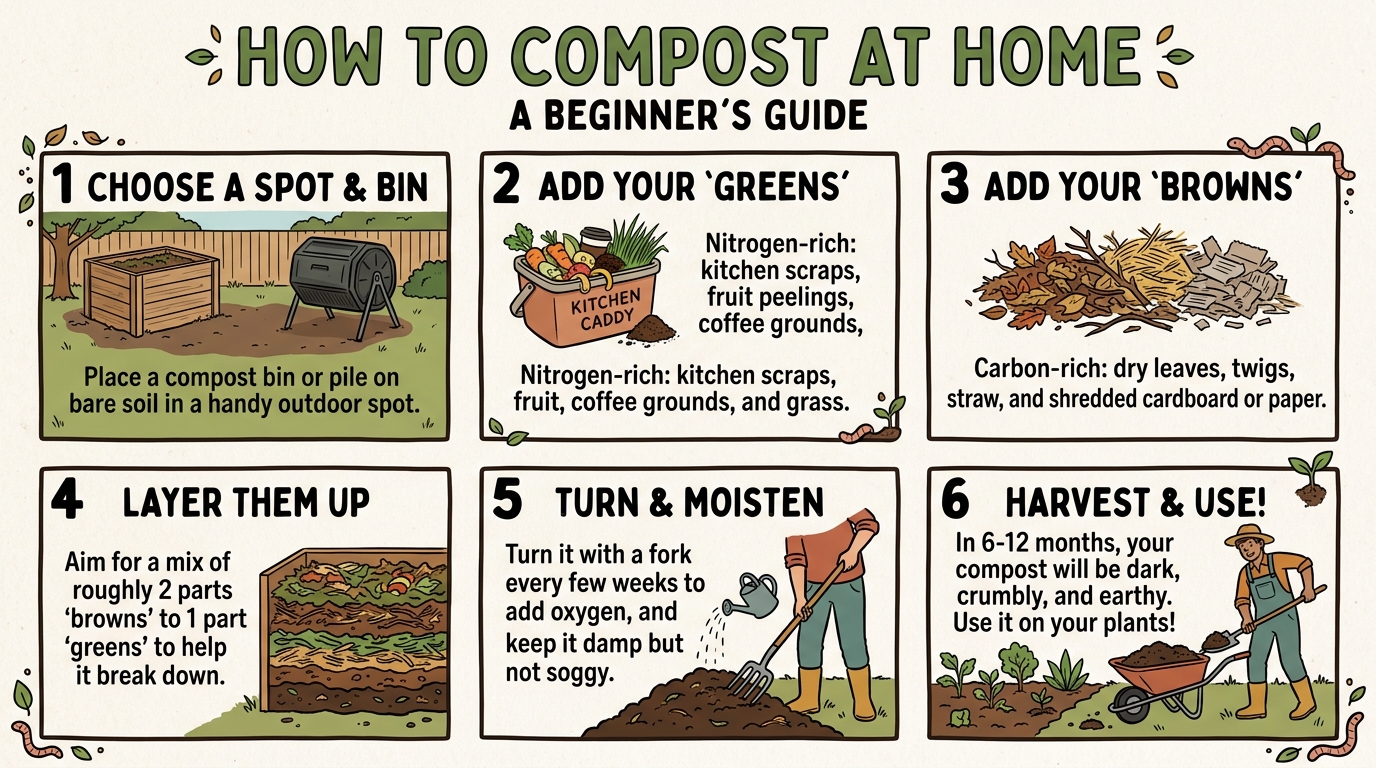
Ready to turn your kitchen scraps into nutrient-rich soil for your garden? Composting at home is an easy and eco-friendly way to reduce waste and create a sustainable cycle in your own backyard. By following a few simple steps, you can transform your organic waste into a valuable resource for your plants. Let’s dive into the world of home composting and learn how to get started step by step.
Benefits of Composting
Reducing Waste: Composting is an eco-friendly way to manage organic waste such as food scraps and yard trimmings. By composting these materials, you divert them from landfills, where they would contribute to greenhouse gas emissions. This process helps reduce the amount of waste that ends up in landfills, benefiting the environment.
Improving Soil Health: Compost is a nutrient-rich organic material that can enhance soil health and fertility. When added to garden beds or lawns, compost improves soil structure, increases moisture retention, and provides essential nutrients for plant growth. Using compost in gardening and landscaping can lead to healthier plants, improved yields, and reduced reliance on chemical fertilizers.
Choosing a Composting Method
When it comes to composting, there are several methods to choose from depending on your space, time, and level of involvement. One common method is traditional composting, which involves creating a pile of organic materials in a designated area and turning it regularly to aerate the compost. This method is suitable for those with a larger yard or garden space and who are willing to put in some physical effort.
If space is limited or you prefer a more contained approach, consider using a compost bin or tumbler. These containers help speed up the composting process by providing insulation and aeration, making them ideal for smaller yards or even indoor use. Worm composting, also known as vermicomposting, is another method that utilizes worms to break down organic matter. This method is particularly efficient and suitable for those living in apartments or urban areas.
Setting Up Your Compost Bin
Choosing the right location: When setting up your compost bin, it’s essential to choose the right location. Select an area that is well-drained and receives a good amount of sunlight. Avoid placing the bin too close to buildings or trees to prevent potential damage or interference with the composting process. Additionally, make sure the location is easily accessible for adding materials and turning the compost.
Assembling the compost bin: Depending on the type of composting method you choose, you may need to assemble a compost bin. This can be as simple as creating a pile on the ground or purchasing a ready-made bin. Ensure that the bin has proper aeration and drainage to facilitate the decomposition process. Consider the size of the bin based on the amount of organic waste you generate and the space available in your chosen location. Once set up, your compost bin is ready to start transforming organic waste into valuable compost for your garden.
Adding Materials to Your Compost
Building a successful compost pile relies on a balanced mix of green and brown materials. Green materials, such as kitchen scraps, grass clippings, and fresh plant trimmings, provide nitrogen, while brown materials like dried leaves, straw, and newspaper offer carbon. Aim for a ratio of roughly 2 parts brown to 1 part green materials for optimal decomposition. Layering materials can help promote airflow and prevent clumping, aiding in the breakdown process.
Avoid adding meat, dairy, oils, or pet waste to your compost pile, as they can attract pests and create unpleasant odors. Instead, focus on a variety of plant-based materials to introduce a diverse range of nutrients and microorganisms. Turning or mixing the compost regularly can help speed up decomposition by ensuring all materials have access to moisture and oxygen, leading to a richer, more fertile end product.
Maintaining Your Compost
Proper maintenance is essential to ensure your compost pile remains healthy and breaks down efficiently. Regular turning or mixing of the compost materials is crucial to aerate the pile and distribute moisture and microbes evenly. This helps speed up the decomposition process and prevents the pile from becoming too compacted, which can slow down decomposition.
Monitoring the moisture levels of your compost is also important. The ideal moisture content for a compost pile is similar to that of a wrung-out sponge. If the pile becomes too dry, add water to moisten it. Conversely, if it becomes too wet, incorporate dry materials like straw or shredded paper to improve aeration and balance the moisture levels. Additionally, regularly checking the temperature of the compost can indicate if the pile is actively decomposing. Turning the pile when it cools down can help reignite the decomposition process.
Using Finished Compost
Finished compost is a valuable resource that can be used in a variety of ways to improve soil health and plant growth. One of the most common uses for finished compost is as a soil amendment. By mixing finished compost into your garden soil, you can improve its texture, fertility, and ability to retain moisture. This can lead to healthier plants with stronger root systems and increased resistance to pests and diseases. Additionally, finished compost can be used as a top dressing around existing plants to provide a slow release of nutrients over time.
Another way to utilize finished compost is by creating compost tea. Compost tea is made by steeping finished compost in water to create a nutrient-rich liquid that can be used as a foliar spray or soil drench. This allows you to deliver beneficial microorganisms and nutrients directly to your plants, promoting healthy growth and improving overall plant vigor. Whether you are a home gardener or a professional landscaper, incorporating finished compost into your gardening practices can lead to more sustainable and productive outcomes for your plants and the environment.