
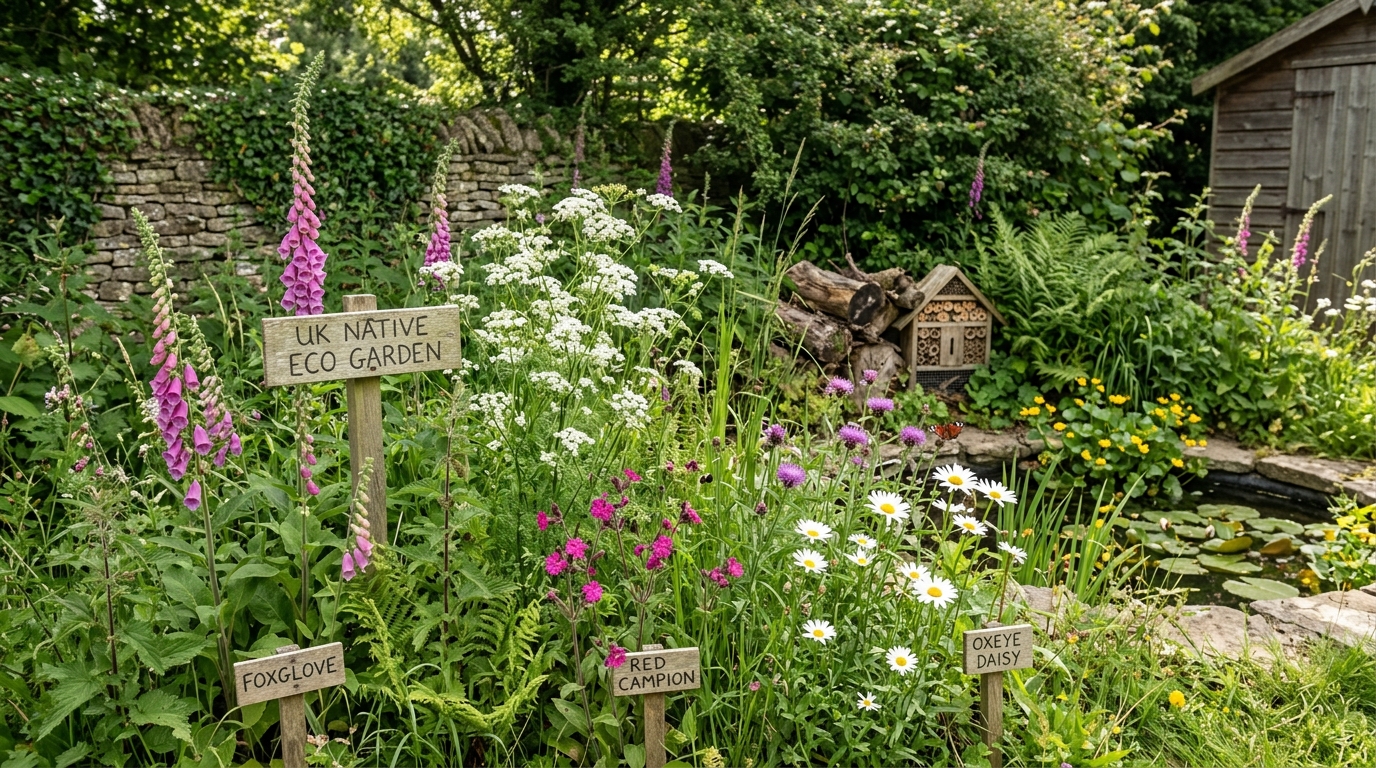
Looking to create a vibrant and sustainable garden in the UK? Look no further than incorporating native plants into your eco-friendly oasis. Native plants not only thrive in the local climate and soil conditions but also provide essential habitats for local wildlife. From the striking purple blooms of the English lavender to the delicate white flowers of the wood anemone, these plants offer beauty and biodiversity in your garden. By choosing the best native plants for your UK eco garden, you can create a flourishing ecosystem that supports pollinators, birds, and other wildlife while reducing the need for excessive watering and maintenance.
Benefits of Native Plants
Enhanced Biodiversity: Native plants provide food and shelter for local wildlife, promoting a healthy ecosystem. They attract pollinators like bees and butterflies, aiding in the pollination of other plants in the area. By supporting a diverse range of species, native plants contribute to the overall richness of the environment.
Low Maintenance: Native plants are well-adapted to the local climate and soil conditions, requiring less water, fertilizer, and pesticides compared to non-native species. This makes them a sustainable choice for eco-friendly gardening, reducing the need for chemical inputs and conserving resources. Additionally, their natural resilience helps in reducing the effort and time needed for maintenance tasks, making them an attractive option for both experienced and novice gardeners.
Top 10 Native Plants for UK Eco Gardens
Creating a UK eco garden with native plants is a sustainable and environmentally friendly way to enhance biodiversity and support local wildlife. Here are the top 10 native plants that thrive in the UK climate and soil conditions:
Bluebell (Hyacinthoides non-scripta)
The bluebell is a quintessential British woodland plant known for its vibrant blue flowers that bloom in spring. It provides nectar for pollinators and creates a beautiful carpet of color under trees.
Foxglove (Digitalis purpurea)
The foxglove is a striking biennial plant with tall spires of tubular pink or purple flowers. It attracts bees and other pollinators and adds height and drama to garden borders.
Primrose (Primula vulgaris)
The primrose is a delicate perennial with pale yellow flowers that brighten up shady areas. It is an early source of nectar for bees and butterflies, signaling the arrival of spring.
Honeysuckle (Lonicera periclymenum)
The honeysuckle is a fragrant climbing plant with white and yellow flowers that attract bees and hummingbirds. It provides shelter for nesting birds and adds a sweet scent to the garden.
Meadowsweet (Filipendula ulmaria)
Meadowsweet is a perennial herb with clusters of creamy white flowers that bloom in summer. It attracts beneficial insects and butterflies and thrives in damp soil conditions.
Yarrow (Achillea millefolium)
Yarrow is a hardy perennial with flat-topped clusters of small white or pink flowers. It is a valuable pollinator plant and has medicinal properties, making it a versatile addition to the garden.
Wild Thyme (Thymus serpyllum)
Wild thyme is a low-growing aromatic herb with tiny pink flowers that attract bees and butterflies. It is ideal for rock gardens and dry, sunny spots,
How to Care for Native Plants
Proper watering: Native plants are generally low maintenance once established, but they still require adequate watering, especially during the first year after planting. It’s important to water deeply and less frequently to encourage deep root growth and drought tolerance. Be mindful of the specific water needs of each plant species to avoid overwatering.
Pruning and maintenance: Regular pruning is essential to promote healthy growth and flowering in native plants. Remove dead or damaged branches, and shape the plant as needed to maintain its form. Additionally, keep an eye out for pests and diseases, addressing any issues promptly to prevent widespread damage.
Creating a Wildlife-Friendly Garden
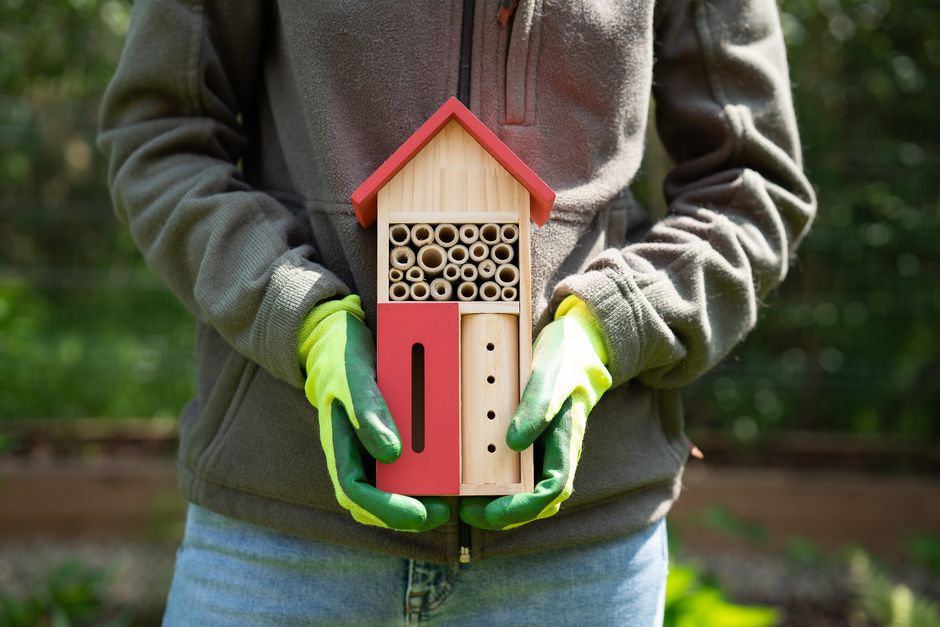
Enhancing your garden to be wildlife-friendly is beneficial for both local ecosystems and your enjoyment of the space. To create a wildlife-friendly garden, consider incorporating a variety of native plants that provide food and shelter for local wildlife species. This can include planting a mix of trees, shrubs, flowers, and grasses that attract birds, butterflies, bees, and other beneficial insects.
Additionally, you can create habitat features such as bird feeders, bird baths, insect hotels, and nesting boxes to further support wildlife in your garden. Avoid using pesticides and opt for natural alternatives to maintain a healthy balance of insects without harming beneficial species. By implementing these strategies, you can transform your garden into a thriving ecosystem that supports biodiversity and provides a sanctuary for wildlife to thrive.
Native Plants vs. Non-Native Plants
Native Plants: Native plants are species that occur naturally in a particular region, without human intervention. These plants have evolved over time to adapt to the local climate, soil, and wildlife, making them well-suited for the ecosystem. They provide essential food and habitat for native wildlife, promoting biodiversity and a healthy environment.
Non-Native Plants: Non-native plants, also known as exotic or invasive species, are plants that have been introduced to a region by humans. While some non-native plants can coexist peacefully in an ecosystem, others can outcompete native species, disrupt the natural balance, and harm the environment. They may lack natural predators, leading to unchecked growth and potential ecological damage.
Native plants play a crucial role in promoting biodiversity, supporting local wildlife, and conserving natural habitats. By incorporating native plants into your garden, you are not only creating a sustainable and eco-friendly environment but also contributing to the overall health of the ecosystem. Choosing native plants over non-native species can help reduce water usage, minimize the need for chemical pesticides, and provide a natural food source for pollinators and other wildlife.
Ultimately, embracing native plants in your garden is a small yet impactful step towards environmental conservation and sustainability. Whether you have a small urban garden or a larger rural landscape, there are native plant species suitable for every setting. By prioritizing native plants in your landscaping efforts, you are not only enhancing the beauty of your outdoor space but also fostering a more resilient and thriving ecosystem for generations to come.