
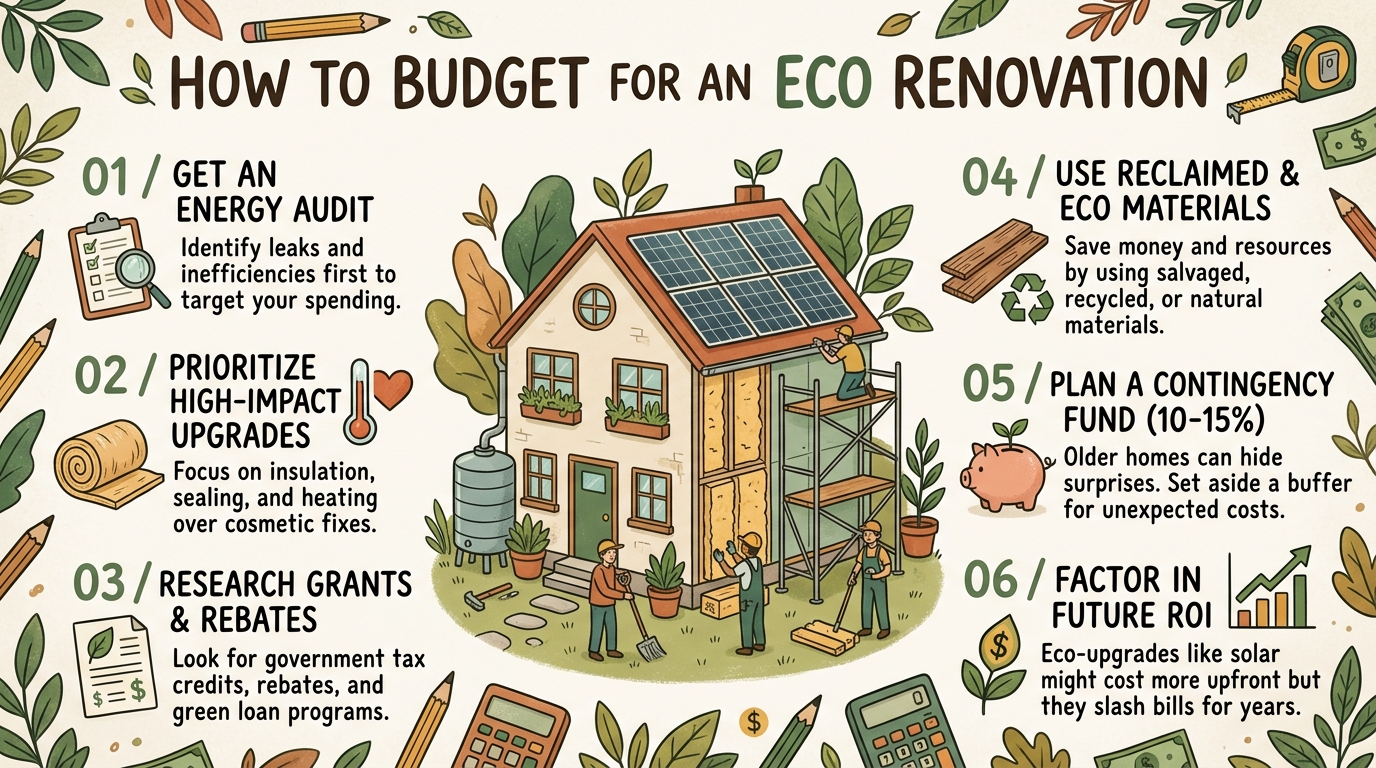
Looking to revamp your space while also being environmentally conscious? Look no further than eco renovation! As you embark on this exciting journey, one of the key elements to consider is your budget. Planning ahead and creating a budget for your eco renovation project is crucial to ensure that you stay on track and make sustainable choices every step of the way. By setting a clear budget, you can prioritize eco-friendly materials and energy-efficient upgrades, ultimately reducing your carbon footprint and creating a healthier living environment. So, let’s dive into the world of eco renovation budgeting and get ready to transform your space sustainably!
Benefits of Eco Renovation
Eco renovation offers a wide array of benefits that go beyond just improving the aesthetics of a property. One of the main advantages is the positive impact on the environment. By incorporating sustainable materials and energy-efficient systems, eco renovations help reduce carbon footprint and decrease energy consumption, leading to a greener and more sustainable living space.
Furthermore, eco renovations can lead to long-term cost savings for homeowners. Energy-efficient upgrades such as insulation, solar panels, and high-efficiency appliances can lower utility bills significantly over time. Additionally, eco-renovated properties often have higher resale values and appeal to eco-conscious buyers, making it a sound investment in the long run.
Steps to Budgeting for an Eco Renovation
Assess Your Current Financial Situation: Before starting your eco renovation project, it is essential to assess your current financial situation. Take a detailed look at your income, expenses, savings, and any existing debts. Understanding your financial standing will help you set a realistic budget for the renovation without jeopardizing your overall financial health.
Determine Your Renovation Priorities: Make a list of the eco-friendly renovations you want to prioritize in your home. Whether it’s installing energy-efficient appliances, improving insulation, or upgrading to sustainable materials, identifying your priorities will help you allocate your budget effectively. Consider the long-term benefits of each renovation to ensure that you are investing in upgrades that align with your sustainability goals and budget constraints.
Setting Financial Goals
Setting financial goals is a crucial step in planning for an eco renovation project. Before diving into the renovation process, it’s essential to determine your financial objectives and establish a clear roadmap for achieving them. Financial goals can include setting a budget for the renovation project, determining the sources of funding, and outlining the desired outcomes in terms of cost savings or environmental impact.
By setting specific and measurable financial goals, you can create a framework for tracking your progress and staying on target throughout the renovation process. Whether your goal is to reduce overall costs, increase energy efficiency, or enhance sustainability, having a clear financial plan in place will help guide your decision-making and ensure that you stay within budget constraints.

Researching Eco-Friendly Options
Researching eco-friendly options is a crucial step in planning an eco renovation. This involves exploring sustainable materials, energy-efficient appliances, and environmentally friendly building practices. By opting for eco-friendly options, you can reduce your carbon footprint, lower energy costs, and create a healthier living environment for you and your family.
When researching eco-friendly options, consider factors such as the materials’ sustainability, energy efficiency ratings, and potential long-term savings. Look for certifications like Energy Star, LEED, or Cradle to Cradle to ensure that the products you choose meet high environmental standards. Additionally, seek out local suppliers and contractors who specialize in eco-friendly renovations to support sustainable practices in your community.
Creating a Budget Plan
Creating a budget plan is a crucial step in ensuring the success of your eco renovation project. Start by listing all the expenses you anticipate, including materials, labor costs, permits, and any other relevant costs. Take into account any potential unexpected expenses that may arise during the renovation process.
Next, determine your available funds and how much you can realistically allocate to the renovation project. This will help you set a clear budget that aligns with your financial capabilities. Consider prioritizing the most essential aspects of the renovation to ensure that your budget is focused on what matters most to you.
Tips for Sticking to Your Budget
Track Expenses: Keep a detailed record of all expenses related to your eco renovation project. This includes not only materials and labor costs but also any unexpected expenses that may arise. By tracking expenses diligently, you can identify areas where you may be overspending and make adjustments accordingly.
Comparison Shop: Before making any significant purchases for your renovation, take the time to compare prices from different suppliers. Look for discounts, sales, or eco-friendly alternatives that can help you stay within your budget. Don’t be afraid to negotiate with vendors to get the best possible deal.
Avoid Scope Creep: One common pitfall in renovation projects is scope creep, where the project expands beyond its original plan, leading to additional costs. To prevent scope creep, clearly define the scope of work at the beginning of the project and resist the temptation to make unnecessary changes as the project progresses.