
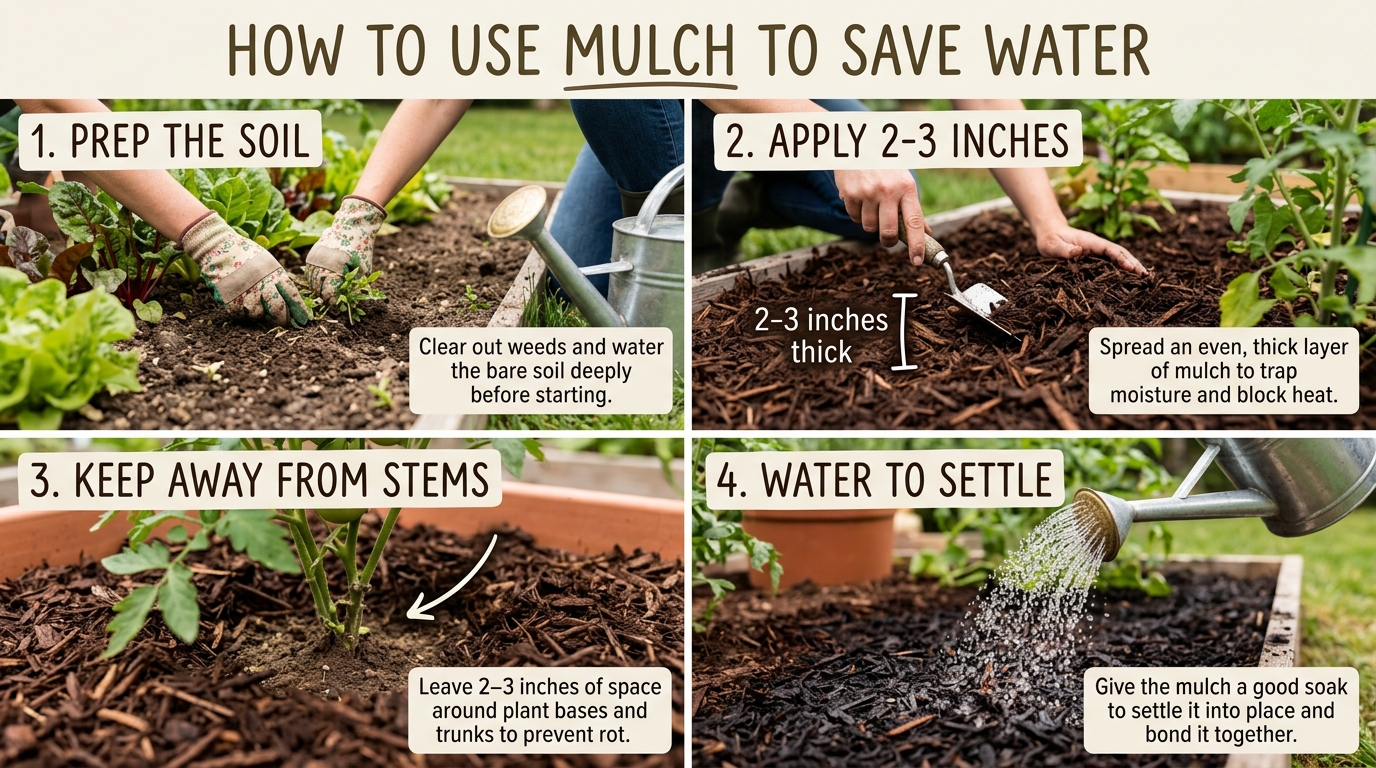
Imagine having a lush, thriving garden that requires less water and maintenance. Sounds like a dream, right? Well, the secret lies in the simple yet powerful tool of mulch. By using mulch effectively, you can create a sustainable oasis that not only conserves water but also nurtures your plants and soil. Mulch acts as a protective blanket, shielding the earth from evaporation and providing a host of benefits for your garden. Join us as we explore the art of mulching and discover how this humble practice can transform the way you garden, saving water and time while reaping the rewards of a flourishing landscape.
Types of Mulch for Water Conservation
Mulch plays a crucial role in conserving water in gardens by reducing evaporation, suppressing weed growth, and improving soil structure. There are various types of mulch available that can help in water conservation efforts. Organic mulches, such as bark, wood chips, straw, and compost, are excellent choices as they not only retain moisture but also enrich the soil as they break down. Inorganic mulches, like gravel, stones, and landscape fabric, can also be used for water conservation purposes, especially in areas where organic mulches may decompose too quickly.
When selecting mulch for water conservation, it is essential to consider factors such as the local climate, the specific water needs of plants, and the aesthetic appeal desired. Different types of mulch have varying water-holding capacities and insulation properties, so choosing the right mulch can make a significant difference in the overall water efficiency of a garden or landscape. By using the appropriate mulch for water conservation, gardeners can create a more sustainable and water-efficient environment for their plants.
Mulching Techniques for Different Plants
Mulching techniques can vary depending on the types of plants you are working with. For trees and shrubs, apply a layer of mulch that is 2-4 inches deep around the base of the plant, making sure to keep the mulch a few inches away from the trunk or stems to prevent rot. This will help retain moisture, regulate soil temperature, and suppress weed growth.
For flower beds and vegetable gardens, a thinner layer of mulch, around 1-2 inches deep, is sufficient. Make sure to replenish the mulch as needed to maintain the desired depth. Organic mulches such as compost, straw, or wood chips are beneficial for these types of plants as they break down over time, adding nutrients to the soil. Mulching also helps protect plant roots from extreme temperatures and reduces erosion.
How Mulch Reduces Evaporation
One of the key benefits of using mulch in your garden is its ability to reduce evaporation. By creating a barrier between the soil and the air, mulch helps to prevent water from evaporating too quickly, especially during hot and dry weather conditions. This is particularly important for areas experiencing drought or water restrictions, as mulch can help retain moisture in the soil for longer periods.
Mulch also helps to regulate soil temperature, reducing the risk of water loss through evaporation. By keeping the soil cooler in hot weather and warmer in cold weather, mulch creates a more stable environment for plant roots, allowing them to access water more efficiently. Overall, the use of mulch can significantly decrease the amount of water needed to maintain a healthy garden, making it a valuable tool for water conservation.
Mulch Layering for Maximum Water Retention
Mulch layering is a technique used to maximize water retention in your garden or landscape. By applying different types of mulch in layers, you can create a more effective barrier against evaporation and weed growth. Start by laying down a base layer of coarse mulch, such as wood chips or straw, to help with drainage and aeration.
On top of the base layer, add a finer mulch like compost or shredded leaves to provide a barrier against evaporation and help retain moisture in the soil. This combination of mulch layers creates a more effective water retention system, allowing your plants to thrive with less frequent watering.
Tips for Mulching in Different Climates
Mulching in different climates requires careful consideration to ensure the health and growth of your plants. In hot and arid climates, it is essential to choose mulch that can retain moisture and protect the soil from drying out too quickly. Organic mulches like straw, wood chips, or compost can help regulate soil temperature and conserve water by reducing evaporation.
On the other hand, in cooler and wetter climates, mulch selection should focus on materials that promote proper drainage to prevent waterlogging and fungal growth. Gravel, pebbles, or pine needles can be suitable options for these regions. Additionally, adjusting the thickness of the mulch layer based on the climate can optimize its effectiveness in conserving moisture and insulating plant roots.
Mulching Dos and Don’ts
Do: Choose the right type of mulch for your specific plants and gardening needs. Different plants may require different types of mulch, so research and select accordingly. Ensure that the mulch layer is thick enough to provide adequate coverage and insulation for the soil, typically around 2-4 inches deep. Mulch regularly to maintain its effectiveness in retaining moisture, suppressing weeds, and regulating soil temperature. Keep the mulch layer a few inches away from the base of plants to prevent rot and pest infestations.
Don’t: Over mulch your garden as this can lead to issues such as suffocating plant roots, promoting fungal growth, and attracting pests. Avoid using mulch that is too chunky or dense, as it may prevent water from reaching the soil effectively. Do not use dyed or treated mulch products that may contain harmful chemicals or dyes that can leach into the soil over time. Refrain from piling mulch directly against tree trunks or plant stems, as this can cause moisture retention and rot issues.