
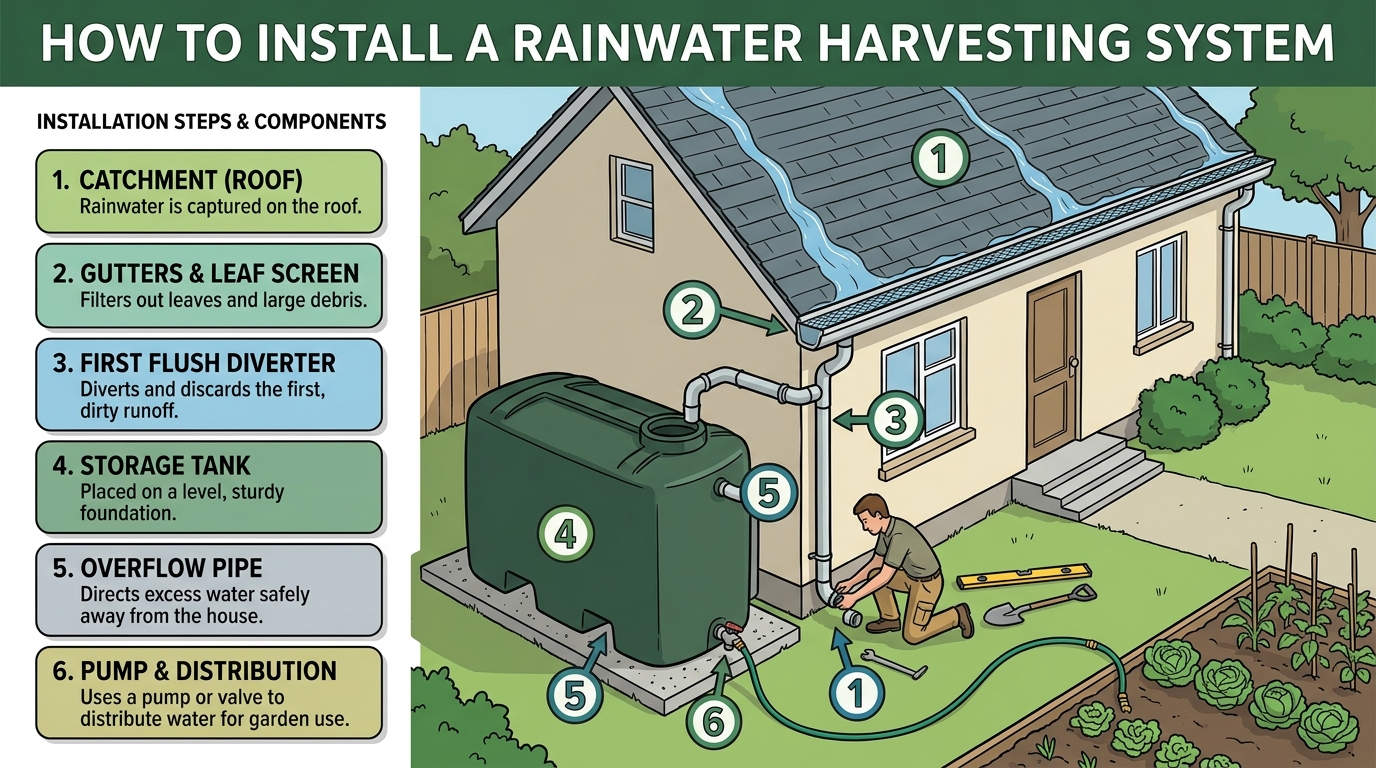
Imagine being able to collect rainwater to use in your garden, reduce your water bill, and contribute to environmental sustainability all at the same time. Installing a rainwater harvesting system can make all of this possible. By capturing rainwater that falls on your property, you can store it for later use in watering plants, washing cars, or even flushing toilets. Not only does this help you save money and reduce your environmental impact, but it also promotes self-sufficiency and resilience. In this blog post, we’ll explore the steps involved in setting up a rainwater harvesting system, so you can start reaping the benefits of this eco-friendly practice.
Benefits of Rainwater Harvesting
Rainwater harvesting offers numerous benefits for both individuals and the environment. One key advantage is the reduction of water bills as harvested rainwater can be used for various non-potable purposes such as irrigation, laundry, and flushing toilets. By relying less on mains water supply, households can lower their utility costs significantly. Additionally, rainwater harvesting helps conserve freshwater resources by reducing the demand on traditional water sources.
Another benefit is mitigating stormwater runoff, which can lead to flooding and erosion. By capturing rainwater, especially during heavy rainfall events, the system helps alleviate pressure on drainage systems and minimizes the risk of local flooding. Furthermore, using rainwater for irrigation can improve plant growth as it is free of chemicals and has a balanced pH level, benefiting both gardens and agricultural crops.
Planning Your Rainwater Harvesting System
Assess Your Needs: The first step in planning your rainwater harvesting system is to assess your water needs. Consider factors such as the size of your household, daily water usage, and potential uses for harvested rainwater. This assessment will help you determine the size and capacity of the system required to meet your needs effectively.
Site Selection: Choosing the right location for your rainwater harvesting system is crucial for its efficiency. Select a spot that receives ample rainfall and is easily accessible for maintenance. Ensure that the location is away from trees or structures that could potentially contaminate the collected rainwater. Additionally, consider factors such as the slope of the land, proximity to downspouts, and available space for the storage tanks.
Choosing the Right Rainwater Harvesting System
When selecting a rainwater harvesting system, it is essential to consider several factors to ensure it meets your needs effectively. The first step is to determine the purpose of collecting rainwater. Different systems are designed for various uses, such as irrigation, toilet flushing, or even potable water supply. Understanding your specific requirements will guide you in choosing the most suitable system.
Another crucial aspect to consider is the size of the system. The size should be based on the amount of rainfall you receive in your area, the size of your roof, and the intended use of the collected water. Additionally, you should assess the available space for installation to ensure the system fits comfortably on your property. Lastly, consider the material and quality of the system components to guarantee durability and efficiency in water collection and storage.

Installation Process
Site Preparation: Before installing a rainwater harvesting system, it is crucial to prepare the site properly. This may involve clearing the area where the system will be installed, ensuring proper drainage, and making sure the site is level and stable. Proper site preparation is essential for the long-term success and effectiveness of the system.
Setting Up Collection System: The next step in the installation process is setting up the collection system. This typically involves installing gutters and downspouts on the roof to channel rainwater into a storage tank or reservoir. It is important to ensure that the collection system is properly sized to accommodate the average rainfall in your area and that it is positioned to capture the maximum amount of rainwater.
Maintenance Tips
Maintaining your rainwater harvesting system is crucial to ensure its efficiency and longevity. Regular maintenance helps prevent clogs, contamination, and other issues that can affect the quality of collected rainwater. One essential maintenance task is to clean the gutters and filters regularly to remove leaves, debris, and other materials that can block the flow of water. This will help prevent clogs and ensure that rainwater can easily enter the storage tank.
Additionally, it is important to check the storage tank periodically for any signs of damage or leaks. Inspect the tank’s walls, inlet, outlet, and fittings to ensure everything is in good condition. Regularly testing the water quality is also recommended to ensure that the collected rainwater is safe for its intended use. By following these maintenance tips, you can keep your rainwater harvesting system running smoothly and efficiently for years to come.
Rainwater harvesting is a sustainable practice that offers numerous benefits for both individuals and the environment. By capturing and storing rainwater for later use, households can reduce their reliance on mains water supply, leading to lower water bills and conservation of precious resources. Additionally, rainwater harvesting helps in alleviating the strain on drainage systems during heavy rainfall, thus reducing the risk of flooding in urban areas.
As awareness of environmental issues grows, more people are turning to rainwater harvesting as a simple yet effective way to contribute to water conservation efforts. With proper planning, installation, and maintenance, a rainwater harvesting system can provide a reliable and eco-friendly source of water for various non-potable uses around the home. Embracing rainwater harvesting not only benefits individuals but also contributes to the overall sustainability of our communities and ecosystems.