
Ready to transform your backyard into a thriving oasis of sustainability and abundance? Say goodbye to traditional gardening methods and dive into the world of permaculture. Building a permaculture garden is not just about growing your own food, it’s about creating a harmonious ecosystem where plants, animals, and humans coexist in perfect balance. By mimicking the patterns and relationships found in natural ecosystems, you can create a self-sustaining garden that requires minimal maintenance and resources. Get ready to unleash your inner green thumb and embark on a journey towards a more sustainable way of living with a permaculture garden.
Benefits of Permaculture Gardening
Increased Sustainability: Permaculture gardening focuses on working with nature rather than against it, creating self-sustaining ecosystems that require minimal external inputs. By mimicking natural processes, such as nutrient cycling and water conservation, permaculture gardens can thrive with little human intervention, reducing the need for chemical fertilizers and pesticides.
Biodiversity Promotion: Permaculture gardening encourages the planting of a wide variety of crops, trees, and flowers. This diversity not only helps to create a more resilient ecosystem but also provides habitats for beneficial insects, birds, and other wildlife. By fostering biodiversity, permaculture gardens can naturally control pests and diseases, leading to healthier plants and a more balanced ecosystem.
Designing Your Permaculture Garden
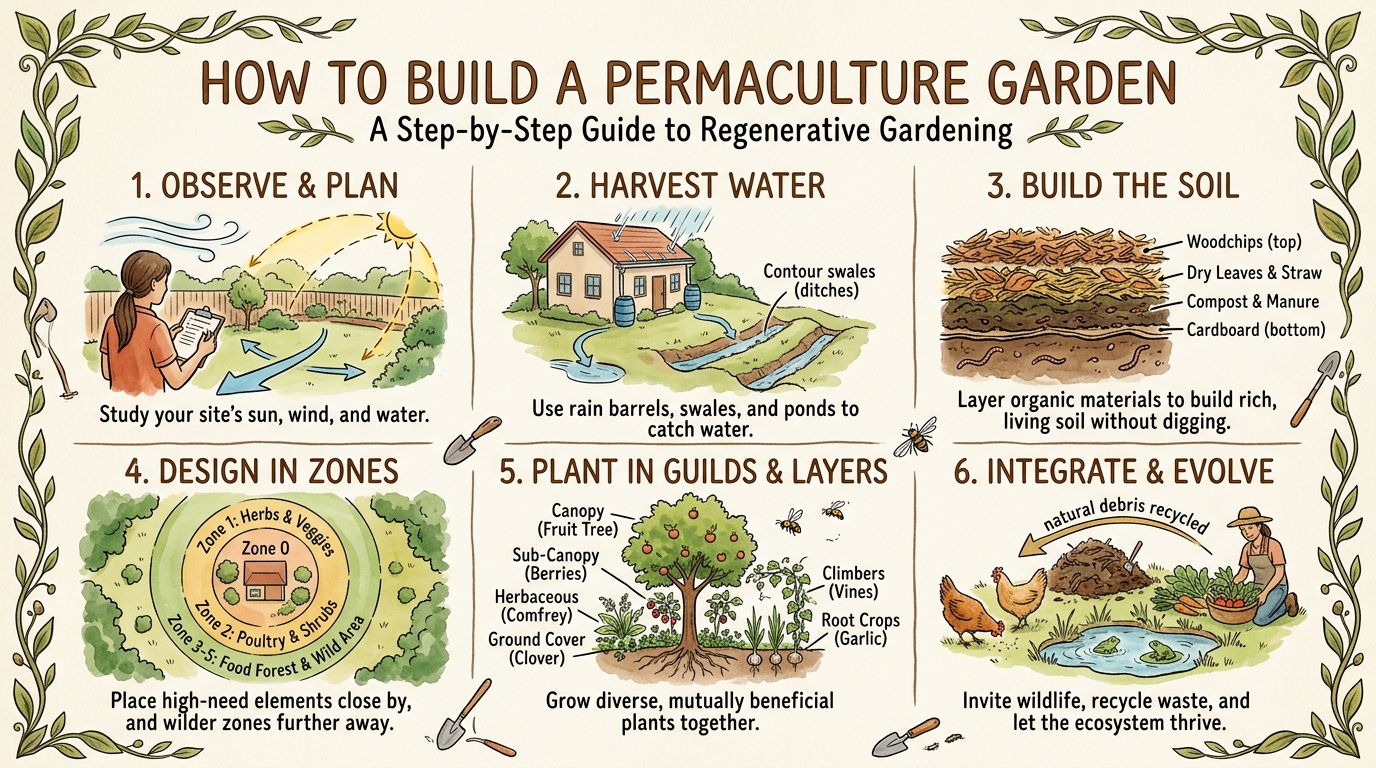
Planning and designing your permaculture garden is a critical step in creating a sustainable and thriving ecosystem. Start by assessing your space, considering factors such as sunlight exposure, soil quality, and water availability. Utilize techniques like zoning, where you divide your garden into different zones based on the frequency of human interaction and plant needs. This helps optimize the use of resources and energy within your garden.
When designing your garden layout, incorporate elements such as water catchment systems, composting areas, and diverse plantings to enhance biodiversity. Use permaculture principles like companion planting to create mutually beneficial relationships between plants, promoting natural pest control and nutrient cycling. Additionally, consider integrating features like swales and berms to manage water flow and prevent erosion, ensuring a self-sustaining and resilient garden ecosystem.
Choosing Plants for a Permaculture Garden
When selecting plants for a permaculture garden, it is essential to consider their ability to thrive in the local climate and soil conditions. Native plants are often the best choice as they are well-adapted to the environment and require minimal maintenance. Additionally, choosing a diverse range of plants can help create a balanced ecosystem, attracting beneficial insects and wildlife while minimizing pest problems.
Another important factor to consider when choosing plants for a permaculture garden is their function within the ecosystem. For example, including nitrogen-fixing plants can help improve soil fertility, while planting fruit trees can provide a source of food for both humans and wildlife. By carefully selecting a variety of plants that complement each other, you can create a self-sustaining and resilient ecosystem in your permaculture garden.

Implementing Sustainable Practices
Implementing sustainable practices in your permaculture garden is essential for long-term success. One key practice is water conservation through techniques such as rainwater harvesting and the use of drip irrigation systems. By collecting rainwater, you can reduce your reliance on municipal water sources and help maintain a more consistent water supply for your garden. Drip irrigation systems deliver water directly to the roots of plants, minimizing evaporation and water waste.
Another important sustainable practice is soil health management. This involves techniques like mulching, composting, and cover cropping to improve soil fertility and structure. Mulching helps retain moisture, suppress weeds, and provide nutrients as it breaks down. Composting allows you to recycle organic matter back into the soil, enriching it with essential nutrients. Cover cropping involves planting specific crops to protect and nourish the soil during fallow periods, preventing erosion and enhancing soil health.
Maintaining Your Permaculture Garden
Maintaining your permaculture garden is essential to ensure its long-term success and productivity. Regular maintenance tasks include weeding, watering, pruning, and monitoring for pests and diseases. By staying on top of these tasks, you can help create a healthy and thriving ecosystem within your garden.
Additionally, it’s important to continue building soil health by adding compost, mulch, and other organic matter regularly. This will help improve soil structure, fertility, and moisture retention, which are crucial for the overall health of your plants. Regularly assessing and adjusting your garden design based on observations and feedback from the ecosystem will also help you fine-tune your permaculture garden for optimal productivity and sustainability.
Harvesting and Enjoying the Fruits of Your Labor
After months of hard work and dedication, it’s finally time to reap the rewards of your permaculture garden. Harvesting is a gratifying experience that allows you to enjoy the fruits, vegetables, herbs, and flowers that you have nurtured from seedlings. As you gather your produce, take a moment to appreciate the interconnectedness of nature and the sustainable practices you have implemented.
Preserving your harvest is a great way to extend the enjoyment of your garden’s bounty. Canning, freezing, drying, and fermenting are popular methods to store excess produce for later use. By preserving your harvest, you can enjoy the flavors of your garden throughout the year and reduce food waste. Sharing your abundance with friends, family, and neighbors is also a rewarding way to spread the joy of homegrown goodness and build a sense of community around your permaculture garden.