

Are you tired of the shock you feel every time you open your heating bill during the winter months? It’s time to take control and reduce those costs! With a few simple tips and tricks, you can lower your heating bills without sacrificing comfort. From easy DIY home improvements to smart energy-saving habits, there are plenty of ways to keep your house warm and cozy without breaking the bank. Say goodbye to those high heating bills and hello to a more efficient and cost-effective winter season.
Seal Air Leaks
Sealing air leaks in your home is a cost-effective way to improve energy efficiency and reduce heating and cooling costs. Common sources of air leaks include windows, doors, gaps around pipes, and electrical outlets. By using caulking, weatherstripping, and foam sealants, you can effectively seal these leaks and prevent warm or cool air from escaping your home. Not only will this help maintain a more comfortable indoor temperature, but it will also lighten the load on your heating and cooling systems, leading to energy savings.
Regularly inspecting your home for air leaks and addressing them promptly is essential. A simple way to detect air leaks is by feeling for drafts around windows and doors or using a candle to see if the flame flickers near potential leak points. Taking the time to seal these air leaks not only improves energy efficiency but also enhances the overall comfort of your living space.
Use a Programmable Thermostat
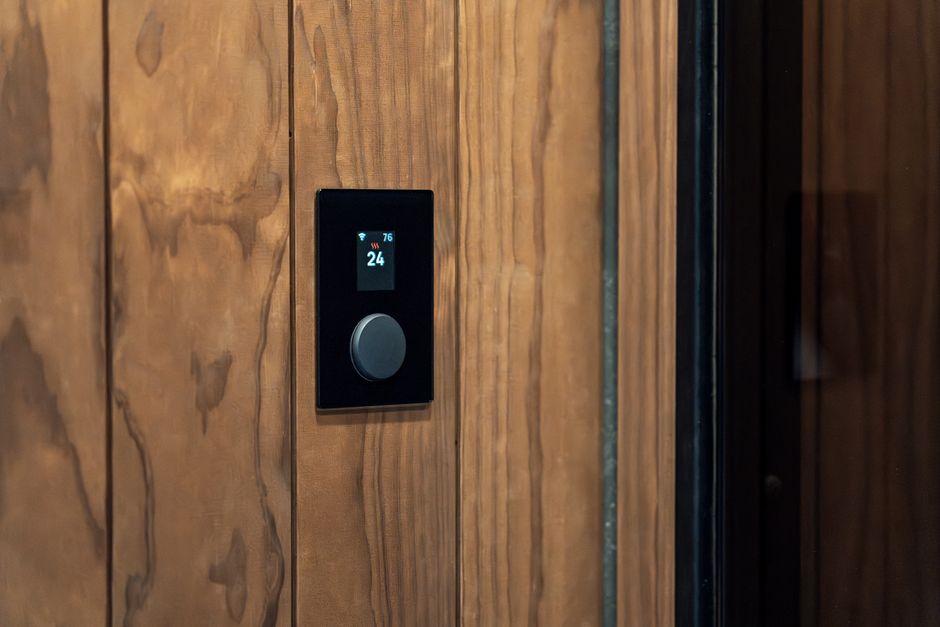
A programmable thermostat is a valuable tool for optimizing your home’s energy efficiency. By setting specific temperature schedules based on your daily routine, you can ensure that your heating and cooling systems are not running unnecessarily when no one is home. This can lead to significant energy savings over time.
Additionally, programmable thermostats allow you to adjust the temperature remotely, giving you greater control over your home’s climate even when you are away. Some models can also provide energy usage reports, helping you track and manage your consumption effectively. Investing in a programmable thermostat is a simple yet effective way to reduce your energy bills while maintaining a comfortable indoor environment.
Insulate Your Home
Insulating your home is a key factor in improving energy efficiency and reducing heating costs. Proper insulation helps to maintain a comfortable temperature inside your home by preventing heat loss during the winter and heat gain during the summer. Common areas to insulate include the attic, walls, floors, and basement. By adding insulation to these areas, you can create a thermal barrier that keeps your home warmer in the winter and cooler in the summer.
There are various types of insulation materials available, such as fiberglass, cellulose, foam board, and spray foam. The choice of insulation will depend on factors like the climate in your region, the area being insulated, and your budget. It’s important to ensure that the insulation is installed properly to maximize its effectiveness. By insulating your home effectively, you can not only save on energy costs but also increase the overall comfort of your living space.
Use Sunlight to Your Advantage
One effective way to save energy in your home is to utilize natural sunlight to your advantage. During the day, open curtains and blinds to allow sunlight to naturally heat your home. This can help reduce the need for artificial lighting and heating, ultimately lowering your energy consumption. Additionally, consider strategically placing reflective surfaces near windows to maximize the amount of sunlight that enters your home.
Another way to benefit from sunlight is to use it for passive solar heating. Designing your home with large south-facing windows and thermal mass materials can help absorb and store heat from the sun, reducing the reliance on your heating system during the day. By harnessing the power of sunlight, you can not only save energy but also create a more comfortable and sustainable living environment.
Maintain Your Heating System
Regular maintenance of your heating system is essential to ensure it operates efficiently and effectively. One of the most important tasks is to clean or replace the air filters regularly. Clogged filters restrict airflow, causing your heating system to work harder and consume more energy. Check the manufacturer’s recommendations for the frequency of filter changes, but a general rule of thumb is to inspect them monthly and replace them every 1-3 months.
In addition to filter maintenance, it is crucial to schedule annual professional maintenance for your heating system. A qualified technician can inspect and tune up your system, identifying any potential issues before they become major problems. This proactive approach not only helps prevent unexpected breakdowns but also ensures that your heating system operates at peak efficiency, saving you money on energy bills in the long run.
Other Tips for Saving Energy
Unplug Electronics: Even when turned off, electronics consume energy if they are plugged in. Unplug devices like chargers, TVs, and computers when not in use to save energy and reduce your electricity bill.
Use Energy-Efficient Appliances: When purchasing new appliances, opt for energy-efficient models with high Energy Star ratings. These appliances are designed to consume less energy, helping you save money in the long run.
Wash Clothes in Cold Water: Heating water accounts for a significant portion of energy usage in laundry. Switching to cold water not only saves energy but also helps preserve the quality of your clothes. Use a cold-water detergent for best results.
Limit Hot Water Usage: Heating water for showers, baths, and other purposes can be a major energy drain. Limit your hot water usage by taking shorter showers, installing low-flow showerheads, and fixing any leaks promptly.
Plant Trees and Shrubs: Strategically planting trees and shrubs around your home can provide natural shade in the summer and act as a windbreak in the winter. This can help reduce the workload on your heating and cooling systems, leading to energy savings.