
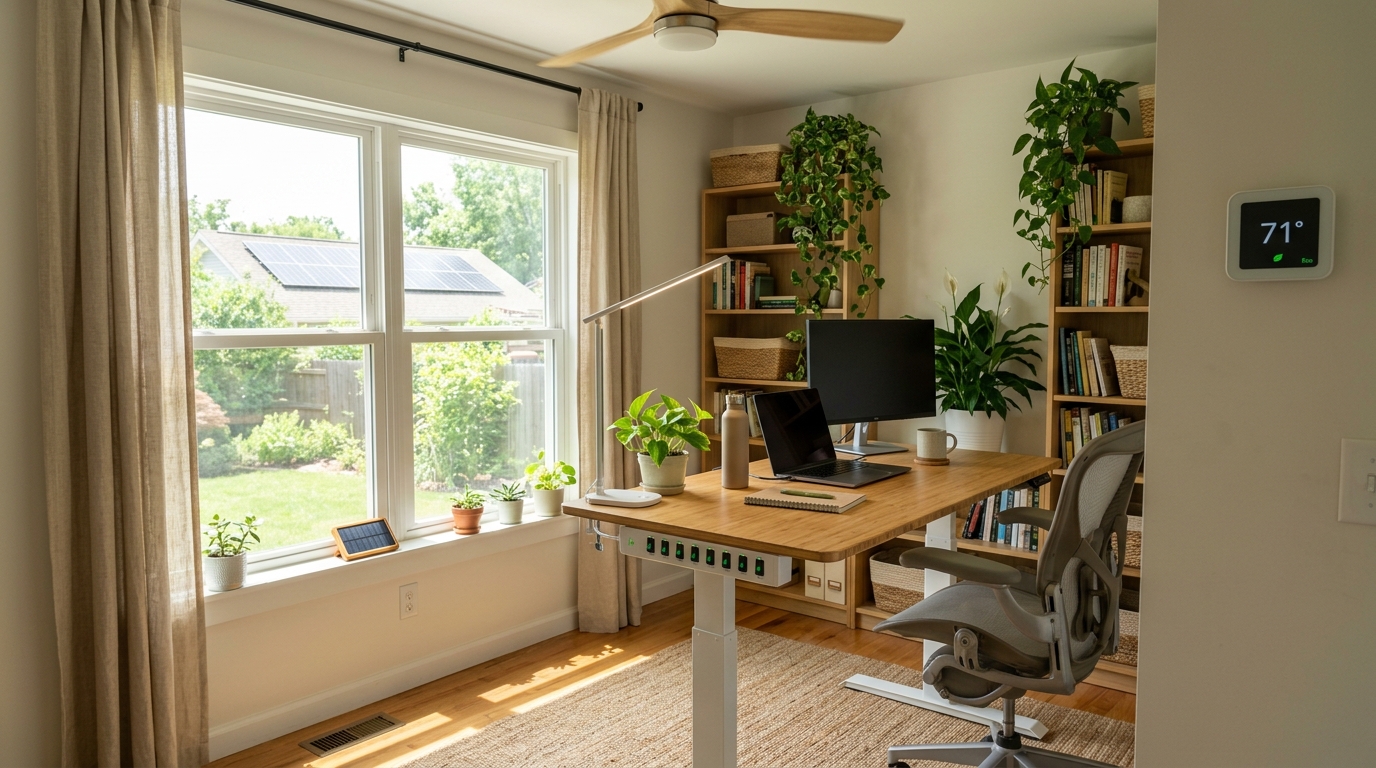
Tired of high electricity bills and feeling like your home office could use a revamp? Look no further! Creating an energy-efficient home office setup not only helps you save money in the long run, but also reduces your carbon footprint. From choosing the right lighting fixtures to optimizing your computer’s power settings, there are plenty of ways to make your workspace greener and more sustainable. Let’s explore some of the best energy-efficient home office setups that will not only boost your productivity but also benefit the environment.
Benefits of Energy-Efficient Home Office Setups
Energy-efficient home office setups offer various benefits that can positively impact both your wallet and the environment. By using energy-efficient equipment and practices, you can significantly reduce your electricity bills over time. Energy-efficient appliances consume less power, leading to cost savings in the long run. Additionally, reducing energy consumption helps lower your carbon footprint, contributing to a more sustainable environment.
Another advantage of energy-efficient home office setups is improved productivity and comfort. Energy-efficient lighting, for example, can create a more conducive work environment by reducing glare and eye strain. Energy-efficient appliances also tend to operate more quietly and produce less heat, creating a comfortable workspace that promotes focus and efficiency. Overall, investing in energy-efficient solutions for your home office can bring financial savings, environmental benefits, and enhanced work productivity.
Choosing Energy-Efficient Lighting
Energy-efficient lighting is an essential component of creating a sustainable and cost-effective home office environment. When selecting lighting options, consider switching to LED (Light Emitting Diode) bulbs, which consume significantly less energy than traditional incandescent bulbs. LED bulbs also last much longer, reducing the frequency of replacements and saving you money in the long run.
Another energy-efficient lighting choice is CFL (Compact Fluorescent Lamp) bulbs, which are more energy-efficient than incandescent bulbs and can provide a similar level of brightness. When choosing lighting fixtures, opt for models that are ENERGY STAR certified, as they are designed to meet strict energy efficiency guidelines set by the Environmental Protection Agency (EPA). Additionally, consider utilizing natural light through windows and skylights to reduce the need for artificial lighting during the day, further lowering energy consumption in your home office.
Energy-Efficient Appliances for Your Home Office
Choosing energy-efficient appliances for your home office is an essential step in reducing energy consumption and lowering utility bills. Look for appliances with the ENERGY STAR label, which indicates that they meet strict energy efficiency guidelines set by the Environmental Protection Agency. ENERGY STAR-rated appliances are designed to use less energy without sacrificing performance, making them a smart choice for your home office.
When selecting appliances for your home office, consider the size of the appliance relative to your needs. Opt for smaller appliances when possible, as they typically consume less energy than larger models. Additionally, look for features such as automatic shut-off or energy-saving modes to further reduce energy usage. By choosing energy-efficient appliances for your home office, you can create a more sustainable workspace while also saving money on your energy bills in the long run.

Tips for Saving Energy in Your Home Office
Implement Power Saving Settings: One of the simplest ways to save energy in your home office is to make use of power saving settings on your devices. Adjust the settings on your computer, printer, and other electronics to automatically enter sleep mode when not in use. This can significantly reduce energy consumption throughout the day.
Use Natural Light: Take advantage of natural light as much as possible by positioning your desk near a window. Natural light not only helps reduce the need for artificial lighting but also provides a more pleasant working environment. Consider using light-colored curtains or blinds to allow more natural light to enter the room.
Case Studies: Successful Energy-Efficient Home Offices
Case Study 1: Sarah, a freelance graphic designer, transformed her home office into an energy-efficient space by incorporating natural light and utilizing LED task lighting. By strategically placing her desk near a window, Sarah reduced her reliance on artificial lighting during the day, resulting in lower energy consumption. Additionally, she invested in ENERGY STAR-rated equipment, such as her computer and printer, to further decrease energy usage while maintaining productivity.
Case Study 2: John, a software developer, implemented smart power management practices in his home office to enhance energy efficiency. He programmed his devices to automatically power down during periods of inactivity and utilized power strips to easily disconnect electronics when not in use. John also optimized his computer settings for energy savings and made use of energy-efficient appliances, such as a mini-fridge and coffee maker, to reduce overall energy consumption in his workspace.
Energy efficiency in your home office is not only beneficial for the environment but also for your wallet in the long run. By implementing simple strategies such as using energy-efficient lighting, appliances, and adopting energy-saving practices, you can reduce your carbon footprint and lower your utility bills.
Remember that small changes can make a big impact. Whether it’s turning off electronics when not in use, optimizing natural light, or investing in energy-efficient devices, every effort counts towards creating a more sustainable home office environment. By making conscious choices and staying informed about energy-saving options, you can contribute to a greener future while enjoying the benefits of a more cost-effective workspace.