
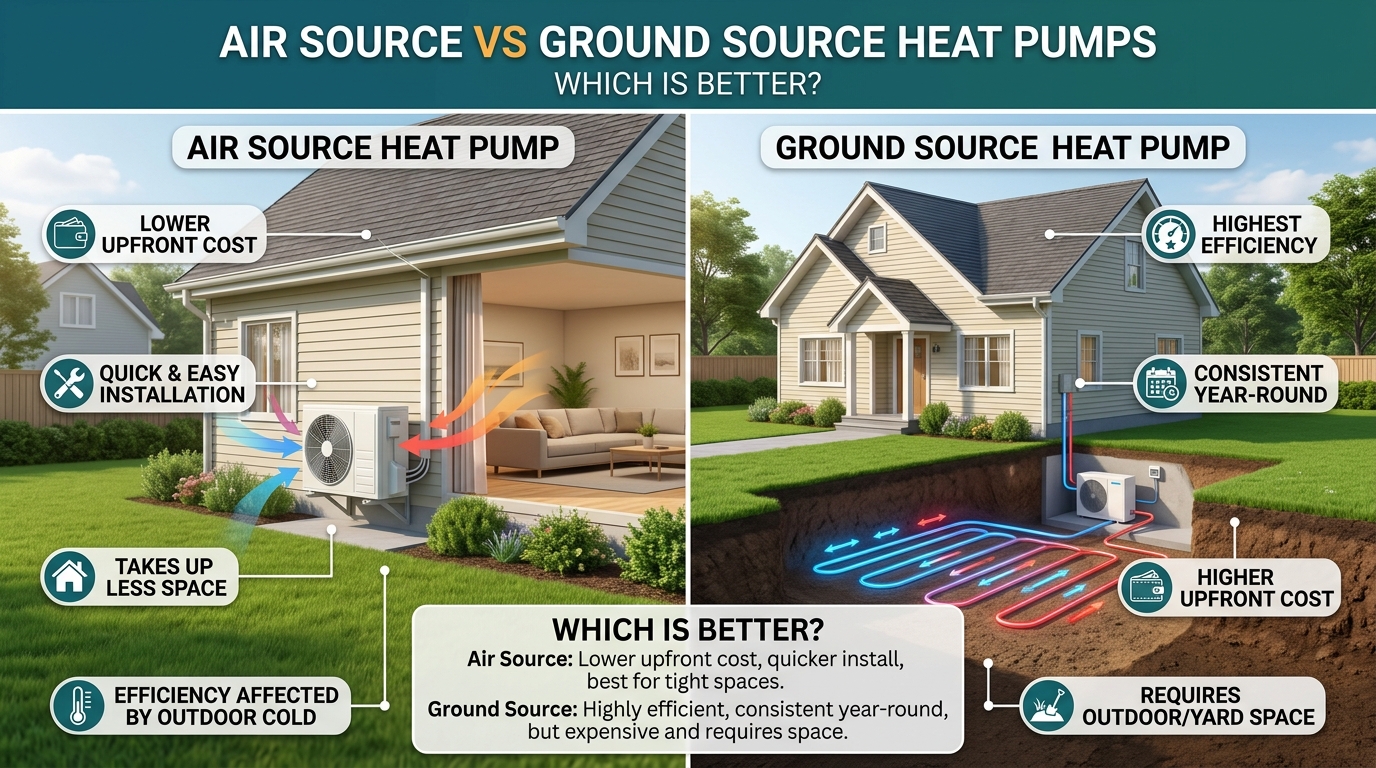
Are you ready to heat things up when it comes to choosing the best option for your home’s heating system? Let’s dive into the debate between Air Source and Ground Source Heat Pumps to see which one comes out on top. Both options offer energy-efficient solutions to keep your home cozy and your energy bills in check. However, the real question is, which one is better suited for your specific needs and budget? Join us as we explore the ins and outs of these two heating systems to help you make an informed decision that will keep you warm and comfortable all year round.
How Air Source Heat Pumps Work
Air source heat pumps work by extracting heat from the outside air and transferring it into a building to provide heating. They utilize a refrigeration cycle that absorbs heat from the outdoor air at low temperatures and releases it inside at higher temperatures. This process is made possible by a refrigerant circulating between an outdoor unit (evaporator coil) and an indoor unit (condenser coil).
The outdoor unit absorbs heat from the outside air and the refrigerant evaporates, then the compressor increases the temperature of the refrigerant gas. The heated gas is then condensed back into a liquid state in the indoor unit, releasing heat that warms the indoor space. Air source heat pumps can provide both heating and cooling by reversing the refrigeration cycle, making them versatile and efficient HVAC systems for moderate climates.
How Ground Source Heat Pumps Work
Ground source heat pumps, also known as geothermal heat pumps, work by utilizing the constant temperature of the ground to heat or cool a building. These systems use a series of underground pipes, called ground loops, that are filled with a refrigerant. In heating mode, the refrigerant absorbs heat from the ground and carries it into the building, where it is then compressed to release the heat. In cooling mode, the process is reversed, with the heat from the building being absorbed by the refrigerant and then transferred back into the ground.
Ground source heat pumps are highly efficient because the ground temperature remains relatively stable throughout the year, providing a consistent heat source in winter and a heat sink in summer. This consistency allows these systems to operate with greater efficiency compared to air source heat pumps, making them a popular choice for homeowners looking to reduce their energy consumption and carbon footprint.
Energy Efficiency Comparison
Energy efficiency is a crucial factor to consider when choosing between air source heat pumps (ASHPs) and ground source heat pumps (GSHPs). ASHPs work by extracting heat from the air outside and transferring it indoors, while GSHPs extract heat from the ground.
While both systems are efficient, GSHPs typically have a higher coefficient of performance (COP) compared to ASHPs. This means that GSHPs can provide more energy output for each unit of electricity input, making them more energy-efficient in the long run. However, the efficiency of both systems can vary depending on factors such as climate, installation quality, and system maintenance.
Installation Costs
Installation costs for heat pumps can vary depending on several factors such as the type of heat pump, size of the system, location, and any additional work required. Generally, air source heat pumps tend to be less expensive to install compared to ground source heat pumps due to the simpler installation process. The cost of installing an air source heat pump typically ranges from $5,000 to $10,000, while a ground source heat pump installation can cost anywhere from $10,000 to $30,000 or more.
It’s important to consider not only the upfront installation costs but also potential long-term savings on energy bills when deciding between the two types of heat pumps. Additionally, factors such as available incentives, rebates, and financing options can also impact the overall cost of installation. Consulting with a professional HVAC contractor can help determine the most cost-effective and efficient option for your specific needs and budget.
Maintenance Requirements
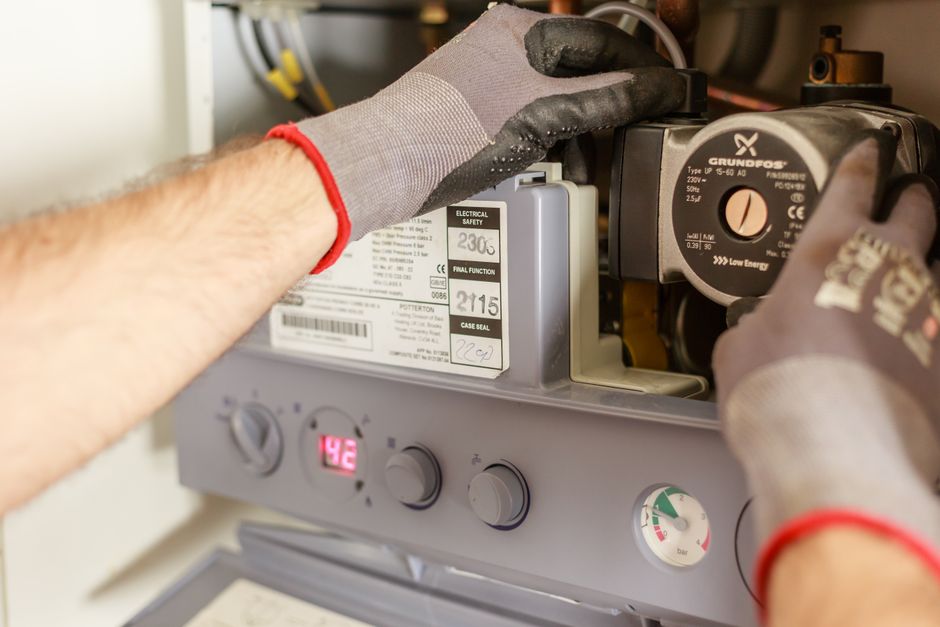
Maintenance of heat pumps is essential for ensuring optimal performance and longevity of the system. Regular maintenance helps in preventing breakdowns, improving energy efficiency, and extending the lifespan of the heat pump.
Some common maintenance tasks include cleaning or replacing filters regularly, inspecting and cleaning coils, checking refrigerant levels, lubricating moving parts, and ensuring proper airflow and ventilation. It is recommended to schedule professional maintenance at least once a year to address any issues and keep the system running smoothly.
After comparing air source heat pumps and ground source heat pumps, it is evident that both options have their advantages and disadvantages. Air source heat pumps are generally more affordable to install and have lower upfront costs, making them a popular choice for many homeowners. However, they may be less efficient in colder climates and have a shorter lifespan compared to ground source heat pumps.
On the other hand, ground source heat pumps are more energy-efficient and have a longer lifespan, but they come with higher installation costs and may require more space for installation. Ultimately, the choice between air source and ground source heat pumps will depend on factors such as climate, budget, available space, and long-term energy savings goals. It is important for homeowners to carefully consider these factors and consult with a professional to determine the best heating and cooling solution for their specific needs.