
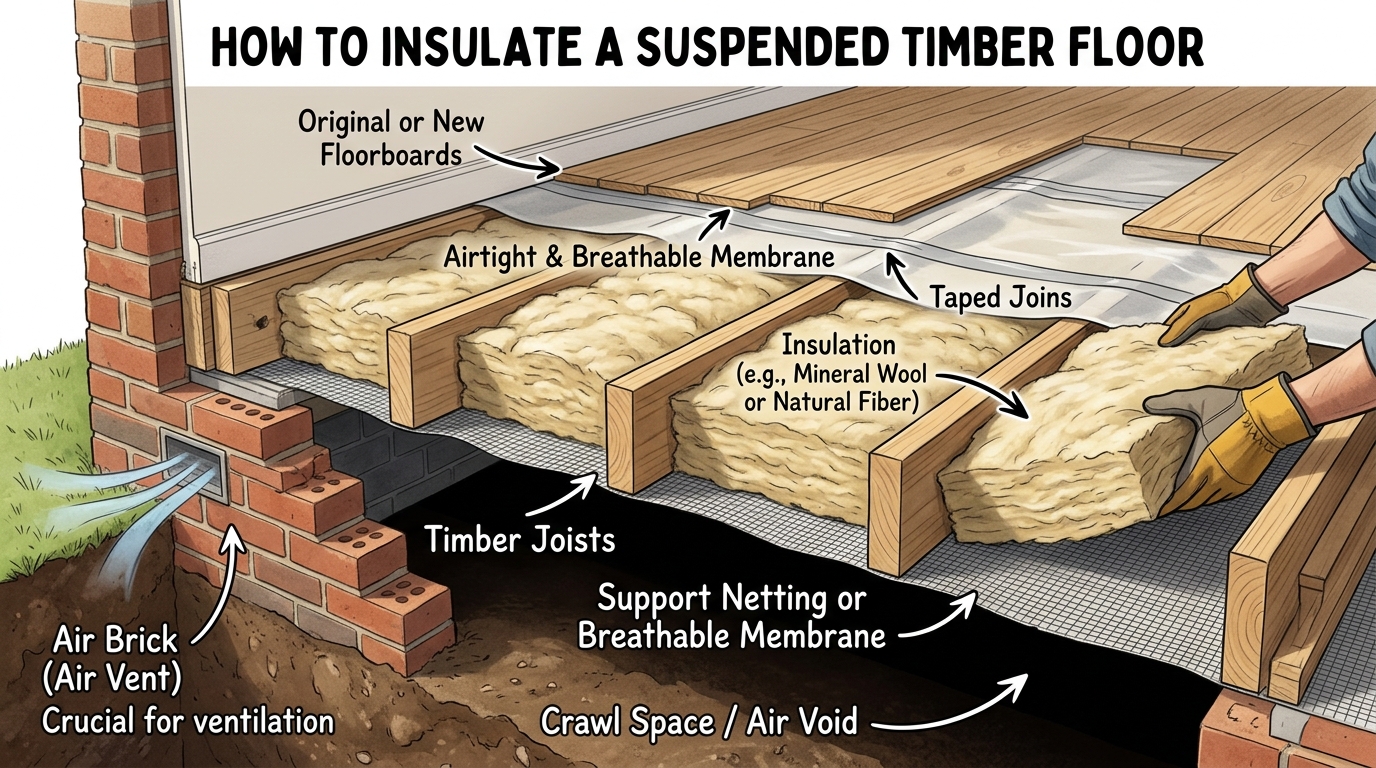
Are you tired of walking on cold floors during winter? Say goodbye to chilly toes with our guide on how to insulate a suspended floor! Insulating a suspended floor can not only make your home warmer and more comfortable but also help you save on energy bills. Whether you’re renovating an old house or building a new one, insulating the floor can significantly improve the overall energy efficiency of your home. In this guide, we’ll walk you through the steps to properly insulate a suspended floor, from choosing the right materials to installation techniques that will keep your floors cozy all year round.
Benefits of Insulating a Suspended Floor
Reduced Energy Costs: One of the primary benefits of insulating a suspended floor is the potential for significant energy cost savings. By preventing heat loss through the floor, insulation helps maintain a more stable indoor temperature, reducing the need for constant heating.
Improved Comfort: Insulating a suspended floor can also lead to improved comfort within the living space. By creating a barrier between the cold ground and the floor surface, insulation helps to keep the floors warmer, making the room more comfortable to walk on and reducing drafts that can make the space feel chilly.
Tools and Materials Needed
Tools: Before starting to insulate a suspended floor, you will need a few essential tools. Some of the tools required include a utility knife for cutting insulation materials, a tape measure for taking accurate measurements, a staple gun for securing the insulation in place, a hammer for any nails or staples, and safety equipment such as gloves and goggles to protect yourself during the insulation process.
Materials: In addition to tools, you will also need specific materials to effectively insulate a suspended floor. Common materials include insulation boards or rolls, vapor barriers to prevent moisture infiltration, adhesive or sealant to secure insulation in place, and fasteners like staples or nails to hold the insulation in place. The type and amount of materials needed will depend on the size of the floor area to be insulated and the desired insulation level.
Steps to Insulate a Suspended Floor
Prepare the Area
Before starting the insulation process, make sure to clear out the space under the floor and remove any debris or obstacles that may hinder the installation. This will ensure a smooth and efficient insulation process.
Measure and Cut Insulation Material
Measure the dimensions of the floor joists to determine the required length of insulation material. Use a utility knife or insulation cutter to cut the insulation material to the correct size. Make sure to wear appropriate protective gear such as gloves, goggles, and a mask.
Install the Insulation
Place the cut insulation material between the floor joists, ensuring a snug fit to prevent any gaps or air leaks. Secure the insulation in place using insulation supports or wires to prevent it from sagging. Pay special attention to corners and edges to ensure complete coverage.
Seal Air Leaks
After installing the insulation, inspect the area for any gaps or air leaks. Use caulk or spray foam insulation to seal any openings around pipes, ducts, or electrical wiring. This will help improve the overall energy efficiency of the space and prevent heat loss.

Common Mistakes to Avoid
Inadequate Insulation: One common mistake to avoid when insulating a suspended floor is using inadequate insulation materials. Insufficient insulation can lead to heat loss, reduced energy efficiency, and ultimately higher energy bills. It’s important to carefully calculate the required R-value for your specific floor type and ensure that you use the appropriate thickness and type of insulation to meet those requirements.
Gaps and Gaps: Another mistake to avoid is leaving gaps or voids in the insulation material. These gaps can allow air leakage, reducing the effectiveness of the insulation and creating potential thermal bridges. Proper installation techniques, such as tightly fitting insulation batts or filling gaps with spray foam, can help prevent this issue and maximize the performance of the insulation.
Ignoring Moisture Issues: Ignoring moisture issues when insulating a suspended floor can lead to mold growth, rot, and structural damage over time. It’s crucial to address any existing moisture problems, such as leaks or condensation, before installing insulation. Additionally, using moisture-resistant insulation materials and vapor barriers can help prevent future moisture-related issues.
Additional Tips for Effective Insulation
Seal all air leaks: Before insulating a suspended floor, make sure to seal any air leaks in the subfloor to prevent heat loss. Use caulk or spray foam insulation to seal gaps around pipes, wiring, and other penetrations in the floor.
Consider adding a vapor barrier: Depending on the climate and moisture levels in your area, it may be beneficial to install a vapor barrier between the subfloor and the insulation. This barrier can help prevent moisture from seeping into the insulation and causing issues like mold or rot.
Use the right type of insulation: Choose insulation material that is suitable for suspended floors, such as fiberglass batts, rigid foam boards, or spray foam insulation. Consider factors like R-value, moisture resistance, and ease of installation when selecting the insulation.
Insulating a suspended floor is a valuable investment that can significantly improve the energy efficiency and comfort of a home. By following the steps outlined in this guide, homeowners can reduce heat loss, lower energy bills, and create a more comfortable living environment. Properly insulating a suspended floor can also help prevent issues such as dampness and mold, improving the overall health and longevity of the home.
Remember to carefully consider the type of insulation material to use, ensure proper ventilation, and take necessary precautions during the installation process. Regular maintenance and inspections of the insulation can further ensure its effectiveness over time. Overall, insulating a suspended floor is a practical and effective way to enhance the energy efficiency and comfort of a home, making it a worthwhile project for homeowners looking to improve their living space.