
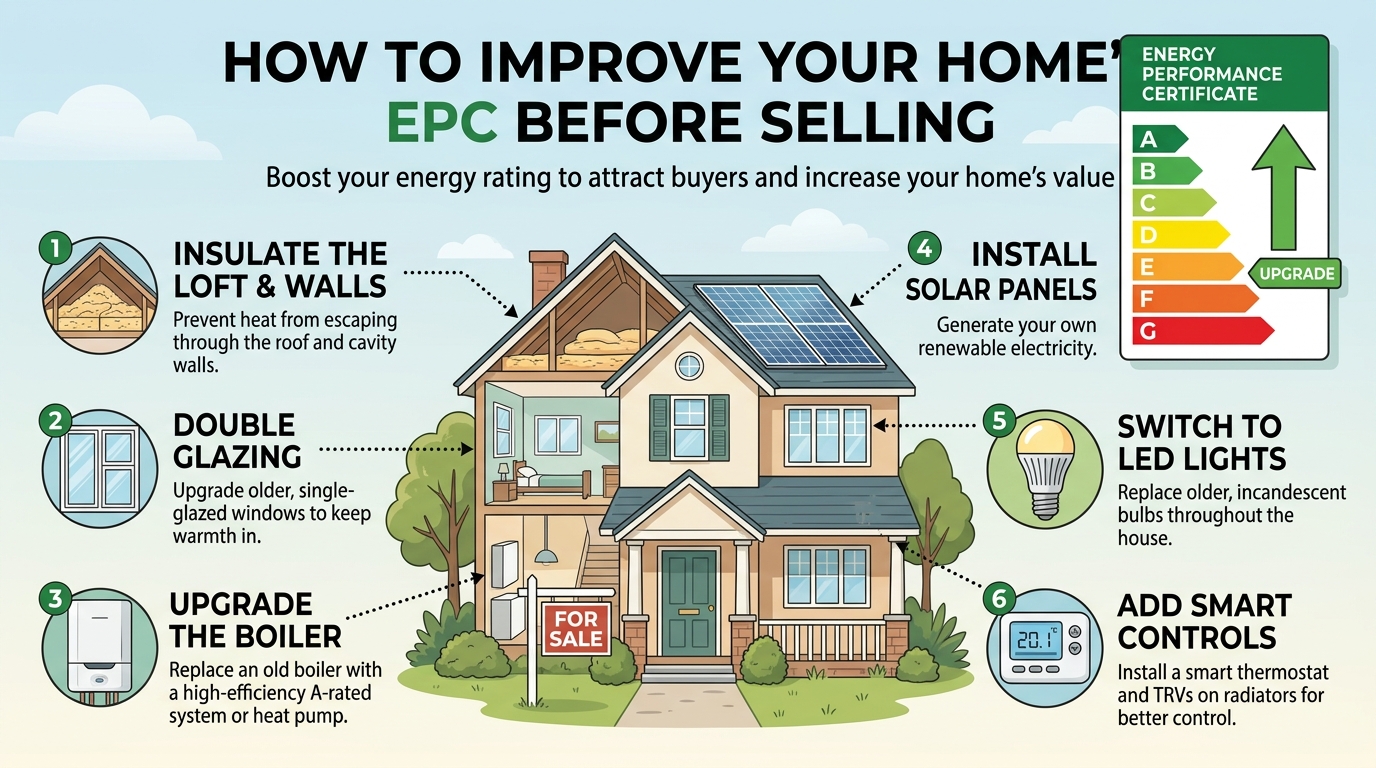
Looking to boost the appeal of your home before putting it on the market? One key factor that can make a big difference is your Energy Performance Certificate (EPC). A higher EPC rating not only increases the value of your property but also makes it more attractive to potential buyers. By improving your home’s EPC before selling, you can not only save money on energy bills but also enhance the overall marketability and desirability of your property. From simple DIY fixes to larger investments in energy-efficient upgrades, there are plenty of ways to elevate your home’s EPC rating and make it stand out in a competitive real estate market.
Importance of EPC in Home Selling
Energy Performance Certificate (EPC) is a crucial document that provides potential buyers with essential information about a property’s energy efficiency. EPC ratings range from A (most efficient) to G (least efficient), giving buyers an indication of how much they may need to spend on energy bills. A high EPC rating can make a property more attractive to buyers as it signifies lower energy costs and a reduced carbon footprint.
Moreover, in many countries, including the UK, displaying the EPC rating is a legal requirement when selling or renting a property. Failure to provide an EPC or having a low rating could potentially deter buyers and impact the sale price. Therefore, ensuring a good EPC rating through energy-efficient measures can increase the market value and desirability of a property in a competitive real estate market.
Tips for Improving EPC Rating
Insulation: One of the most effective ways to improve your Energy Performance Certificate (EPC) rating is by ensuring your property is well insulated. Proper insulation helps to retain heat in the winter and keep the property cool in the summer, reducing the overall energy consumption. Consider insulating your walls, roof, floors, and pipes to prevent heat loss and improve energy efficiency.
Upgrade Heating Systems: Upgrading your heating systems to more energy-efficient options can significantly impact your EPC rating. Consider installing a modern condensing boiler, smart thermostats, and radiator valves to better control and optimize the heating in your property. Regular maintenance of your heating system is also essential to ensure it is operating efficiently and effectively.
Energy-Efficient Upgrades
Energy-efficient upgrades play a vital role in improving the overall energy performance of a home. By investing in upgrades such as double-glazed windows, insulation, and energy-efficient appliances, homeowners can significantly reduce their energy consumption and utility bills. Double-glazed windows help in better insulation, preventing heat loss in the winter and heat gain in the summer, leading to a more stable indoor temperature.
Additionally, replacing old appliances with energy-efficient models can result in substantial energy savings over time. Energy-efficient appliances consume less energy while providing the same level of performance, contributing to a more sustainable and cost-effective household. When planning energy-efficient upgrades, it is essential to consider the long-term benefits in terms of energy savings, comfort, and environmental impact, making it a worthwhile investment for homeowners looking to enhance the energy efficiency of their property.

Heating and Insulation Solutions
Heating and insulation are crucial aspects of improving the energy efficiency of a home. Proper insulation helps in maintaining a consistent indoor temperature, reducing the workload on heating systems, and ultimately lowering energy bills. Common insulation materials include fiberglass, cellulose, and foam, which are installed in walls, floors, attics, and basements to prevent heat loss.
When it comes to heating solutions, upgrading to a high-efficiency heating system such as a condensing boiler or a heat pump can significantly reduce energy consumption. Programmable thermostats allow for better control over heating schedules, ensuring that energy is not wasted when it is not needed. Additionally, regular maintenance of heating systems, such as cleaning filters and checking for leaks, can improve their efficiency and prolong their lifespan.
Lighting and Appliances
Lighting: Upgrading to energy-efficient lighting can significantly improve the energy performance certificate (EPC) rating of a home. Switching traditional incandescent bulbs to LED or CFL bulbs can reduce energy consumption and lower electricity bills. Additionally, installing motion sensor lights or timers can help further decrease energy usage by ensuring lights are only on when needed.
Appliances: When selling a home, it is essential to consider the energy efficiency of household appliances. Upgrading to energy-efficient appliances, such as refrigerators, washing machines, and dishwashers, can have a positive impact on the overall EPC rating. Look for appliances with high energy efficiency ratings and consider replacing older, less efficient models to attract environmentally conscious buyers and improve the home’s energy performance.
Enhancing the energy performance certificate (EPC) rating of a property is a crucial step towards promoting energy efficiency and sustainability in the real estate market. By improving the energy efficiency of a home, homeowners can not only reduce their carbon footprint but also save money on energy bills in the long run. Implementing energy-efficient upgrades, focusing on heating and insulation solutions, and optimizing lighting and appliances are key strategies to boost the EPC rating of a property.
In conclusion, a high EPC rating not only adds value to a property but also contributes to a greener environment. It is essential for homeowners, real estate agents, and buyers to prioritize energy efficiency and consider the long-term benefits of having a more sustainable home. By taking proactive steps to improve the EPC rating, individuals can play a significant role in reducing energy consumption and promoting a more eco-friendly lifestyle.