
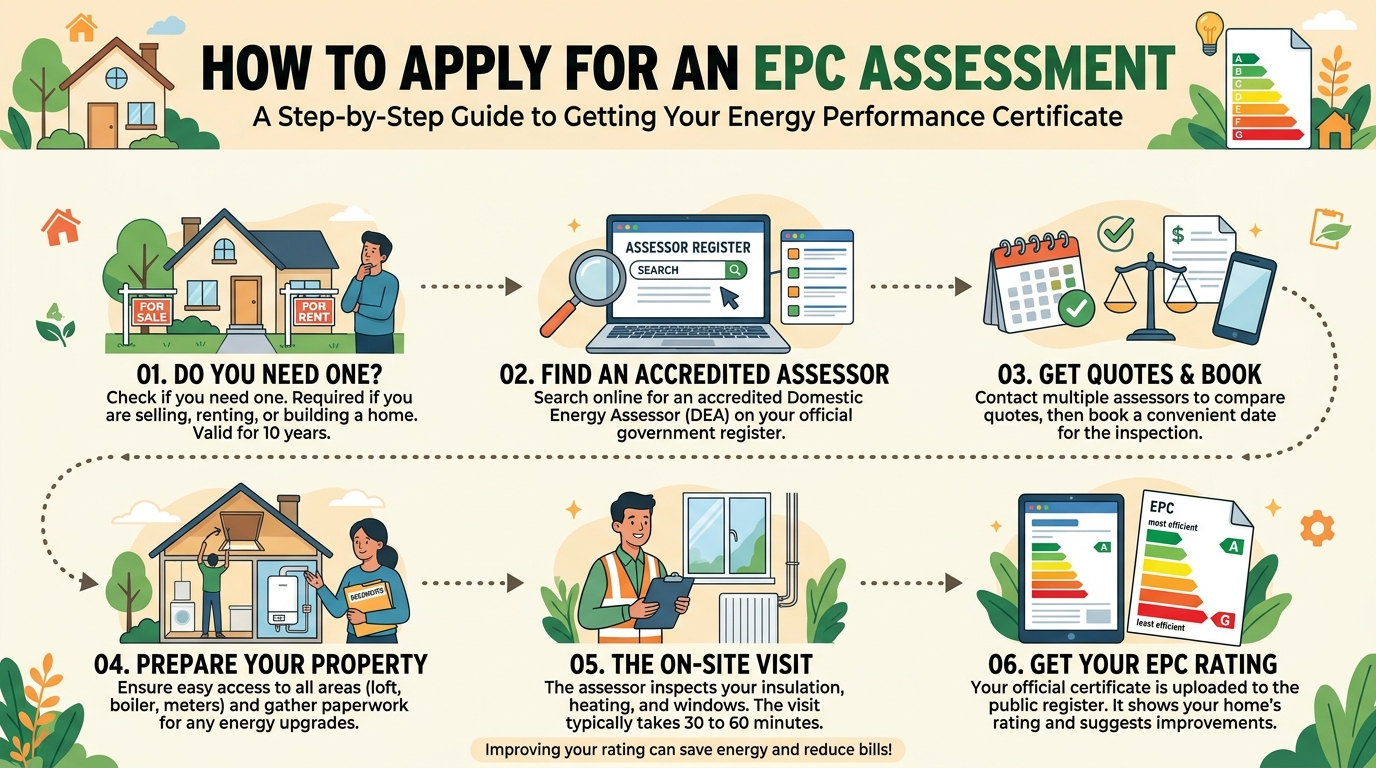
Are you looking to improve the energy efficiency of your home or building? One important step in this process is getting an Energy Performance Certificate (EPC) assessment. An EPC assessment provides valuable information about the energy efficiency of a property and offers recommendations on how to make it more environmentally friendly and cost-effective. To apply for an EPC assessment, you’ll need to follow a few simple steps. From finding a qualified assessor to understanding the assessment process, this guide will help you navigate the ins and outs of applying for an EPC assessment. Let’s dive in and take the first step towards a greener and more energy-efficient future!
Benefits of EPC Assessments
EPC assessments offer several key benefits to both homeowners and businesses. One of the primary advantages is the ability to identify areas where energy efficiency improvements can be made. By conducting an EPC assessment, property owners can gain valuable insights into their energy usage patterns and potential areas for cost savings through energy-efficient upgrades.
Furthermore, EPC assessments can help increase the overall value of a property by improving its energy efficiency rating. This can be particularly advantageous for those looking to sell or rent out their property, as a higher EPC rating can make the property more attractive to potential buyers or tenants. Additionally, by implementing the recommended energy-saving measures, property owners can reduce their carbon footprint and contribute to a more sustainable environment.
Eligibility Criteria for EPC Assessments
EPC assessments are an essential tool for evaluating the energy efficiency of a property. To be eligible for an EPC assessment, a property must meet certain criteria set by the relevant authorities. One of the primary eligibility criteria is that the property must be a building or a unit with a roof and walls, designed for human occupation. This includes residential, commercial, and industrial properties.
Additionally, the property must have a fixed heating, cooling, or mechanical ventilation system. This is crucial for assessing the energy performance of the building accurately. Moreover, properties seeking EPC assessments must be available for inspection by certified assessors. Meeting these eligibility criteria ensures that the assessment process can be carried out effectively and that the results are reliable for making informed decisions regarding energy efficiency improvements.
Documents Required for EPC Assessments
When applying for an EPC assessment, it is essential to have the necessary documents in order to ensure a smooth process and accurate evaluation of your property’s energy performance. Typically, the documents required include proof of ownership or consent from the property owner, floor plans of the building, details of any recent renovations or improvements, information on heating and cooling systems, and energy bills for the past year. Additionally, you may need to provide details on insulation, windows, and any other relevant energy-efficient features of the property.
Having these documents ready beforehand can expedite the assessment process and help the assessor make informed decisions regarding your property’s energy efficiency. By ensuring you have all the necessary paperwork in order, you can demonstrate your commitment to energy efficiency and make the most out of the assessment results to improve your property’s overall energy performance.
Steps to Apply for an EPC Assessment
An Energy Performance Certificate (EPC) assessment is essential for evaluating the energy efficiency of a building. Here are the steps to apply for an EPC assessment:
Find an Accredited Assessor: The first step is to find a qualified and accredited assessor who will conduct the assessment. Ensure that the assessor is registered with the appropriate governing body to guarantee the validity of the assessment.
Contact the Assessor: Reach out to the assessor and discuss the details of the assessment, including the size of the property, the type of building, and any specific requirements you may have.
Schedule the Assessment: Agree on a suitable date and time for the assessment to take place. The assessor will visit the property to collect data, inspect equipment, and analyze energy usage.
Assessment Process: During the assessment, the assessor will gather information on the building’s construction, insulation, heating systems, and energy usage. This data will be used to generate the EPC rating for the property.
Receive the Certificate: Once the assessment is complete, the assessor will provide you with an EPC certificate detailing the energy efficiency rating of the building. This certificate is valid for a set period and must be made available to potential buyers or tenants.
Cost of EPC Assessments
Understanding the cost of EPC assessments is crucial for individuals and businesses looking to improve the energy efficiency of their properties. The cost of an Energy Performance Certificate (EPC) assessment typically varies depending on the size and type of the property being assessed. Generally, smaller properties such as apartments or small houses tend to have lower assessment costs compared to larger commercial buildings or complex structures.
It is important to note that the cost of an EPC assessment is a one-time expense and can provide long-term benefits in terms of energy savings and property value. While the initial cost may vary, investing in an EPC assessment can lead to significant energy efficiency improvements, reduced utility bills, and a positive impact on the environment. Property owners should consider the cost of an EPC assessment as an investment in the sustainability and value of their property.
Frequently Asked Questions about EPC Assessments
What is an EPC Assessment? An Energy Performance Certificate (EPC) assessment is a process that evaluates the energy efficiency of a building. It provides a rating from A to G, with A being the most energy-efficient and G being the least. The assessment includes an evaluation of the building’s insulation, heating systems, lighting, and other factors that impact energy consumption.
How long is an EPC Assessment valid for? In most cases, an EPC assessment is valid for 10 years. However, it is recommended to get a new assessment done if significant changes are made to the building that could impact its energy efficiency. This ensures that the EPC rating accurately reflects the current energy performance of the building.