
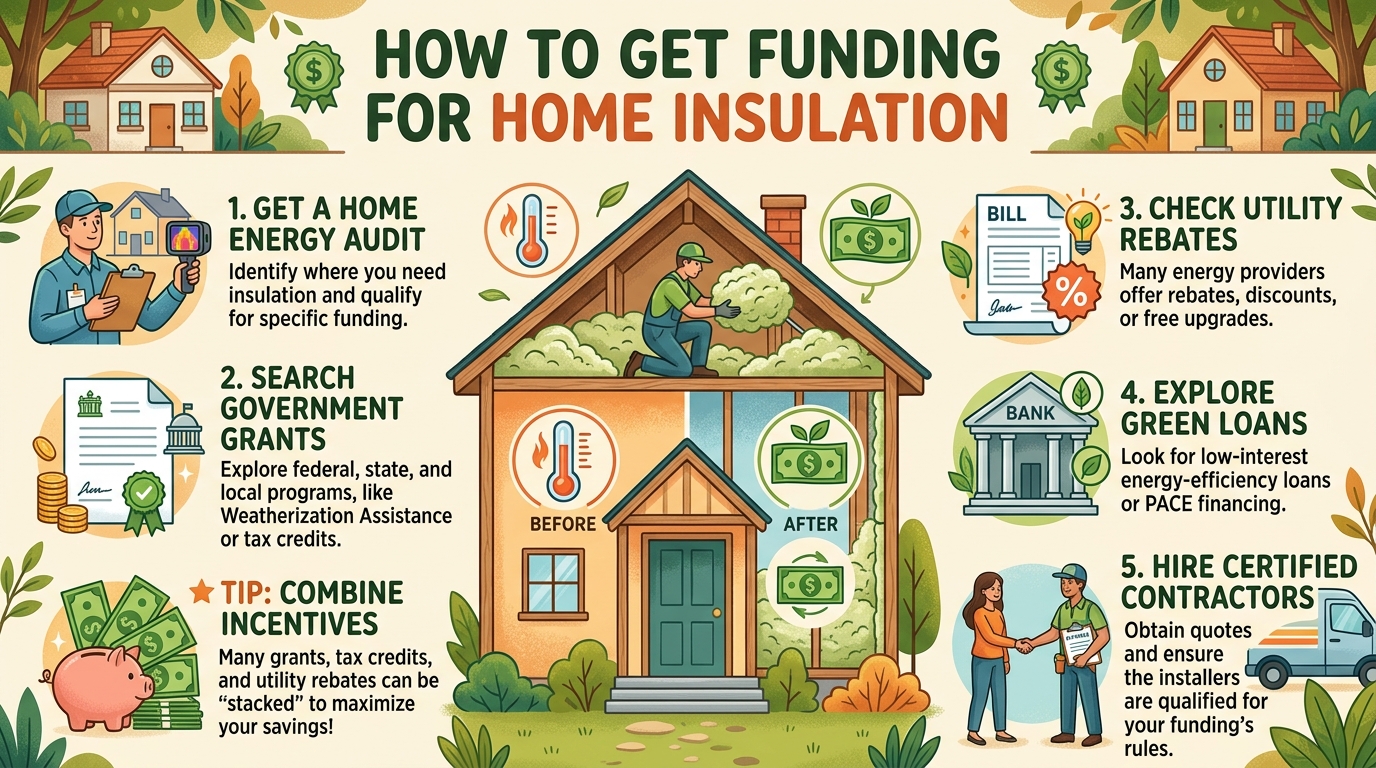
Ready to turn your home into an energy-efficient fortress while saving money in the process? Look no further than getting funding for home insulation! This game-changing initiative not only helps you reduce your carbon footprint but also gives your wallet a much-needed break. By improving your home’s insulation, you can lower your energy bills, increase your property value, and contribute to a greener planet. Stay tuned to discover the secrets to securing funding for home insulation and unlock a world of benefits for you and the environment.
Benefits of Home Insulation
Lower Energy Costs: One of the primary benefits of home insulation is its ability to reduce energy costs. Proper insulation helps maintain a consistent temperature within your home, reducing the need for heating and cooling systems to work overtime. This results in lower utility bills and long-term savings for homeowners.
Improved Comfort: Home insulation plays a key role in enhancing the comfort of your living space. By preventing heat transfer, insulation helps maintain a comfortable indoor temperature throughout the year. This means a warmer home in the winter and a cooler one in the summer, creating a more pleasant environment for you and your family.
Types of Home Insulation
Fiberglass Insulation: Fiberglass insulation is one of the most common types used in homes. It is made of tiny glass fibers and comes in batts, rolls, or loose-fill form. Fiberglass insulation is known for its affordability and relatively easy installation process.
Cellulose Insulation: Cellulose insulation is made from recycled paper materials treated with fire-retardant chemicals. It is a good option for those looking for an eco-friendly insulation choice. Cellulose insulation is effective at reducing air leakage and can be blown into walls or attics.
Spray Foam Insulation: Spray foam insulation is a versatile option that expands to fill gaps and crevices, providing an effective air barrier. It can be more expensive than other types of insulation but offers superior insulation properties. Spray foam insulation is commonly used in areas with limited space for installation.
Reflective Insulation: Reflective insulation is designed to reflect heat away from the living space, making it ideal for hot climates. It typically consists of a layer of foil or other reflective material that helps reduce radiant heat transfer. Reflective insulation is often used in attics and on walls facing the sun.
Assessing Your Home’s Insulation Needs
Assessing your home’s insulation needs is a crucial step in improving energy efficiency and comfort. Start by conducting a thorough inspection of your home’s current insulation levels. Check the walls, attic, floors, and basement for any signs of inadequate insulation, such as drafts, uneven temperatures, or high energy bills. It’s also important to consider the climate in your area and the age of your home when assessing insulation needs.
After identifying areas that may need insulation improvement, consider conducting an energy audit. An energy audit can help pinpoint specific areas of energy loss in your home and provide recommendations for improving insulation. You can choose to hire a professional energy auditor or conduct a DIY audit using tools like thermal cameras and draft detectors. By assessing your home’s insulation needs accurately, you can make informed decisions on the type and amount of insulation required to enhance energy efficiency and overall comfort in your home.
Finding Funding Opportunities
Finding funding opportunities for home insulation projects can help offset the costs associated with improving your home’s energy efficiency. One common source of funding is through government programs at the local, state, or federal level. These programs may offer grants, rebates, or low-interest loans to support energy-saving upgrades like insulation.
Additionally, some utility companies and non-profit organizations provide financial assistance for home insulation projects. These entities may have specific eligibility criteria, so it’s important to research and understand the requirements before applying. By exploring different funding options, you can make your home insulation project more affordable and environmentally friendly.
Applying for Funding
Applying for funding for home insulation projects can help offset the costs associated with improving your home’s energy efficiency. To begin the process, research available funding opportunities from government programs, non-profit organizations, or utility companies. These sources often offer grants, rebates, or low-interest loans to incentivize homeowners to make energy-efficient upgrades.
When applying for funding, be prepared to provide detailed information about your home, such as its size, age, current insulation levels, and energy usage. You may also need to submit quotes from contractors for the proposed insulation work. Make sure to carefully review the eligibility criteria and application requirements for each funding opportunity to increase your chances of approval. By taking advantage of available funding options, you can make your home more comfortable, reduce energy costs, and contribute to a greener environment.
Conclusion and Next Steps
Conclusion: In conclusion, ensuring proper insulation for your home is crucial for maintaining energy efficiency, reducing utility costs, and improving overall comfort. By taking the time to assess your home’s insulation needs and exploring funding opportunities, you can make significant strides towards creating a more sustainable and comfortable living environment.
Next Steps: Moving forward, it is recommended to prioritize any necessary home insulation upgrades based on the assessment conducted. Consider reaching out to local energy efficiency programs or government initiatives to explore funding options that can help offset the costs of insulation improvements. Regularly monitoring and maintaining your home’s insulation will also be key to ensuring long-term energy savings and comfort. By taking proactive steps now, you can enjoy the benefits of a well-insulated home for years to come.