
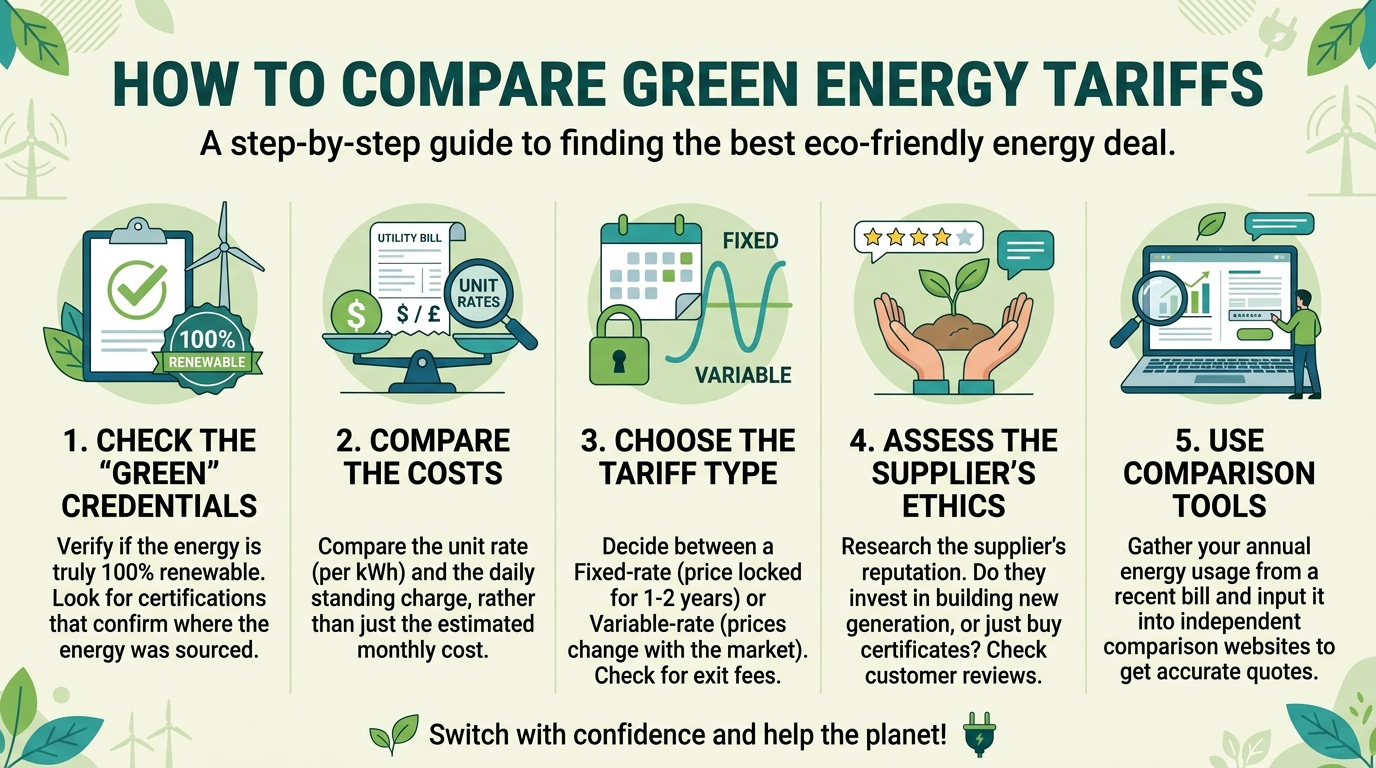
Looking to make the switch to a greener energy option, but unsure where to start? Comparing green energy tariffs is a crucial step in reducing your carbon footprint and supporting sustainable practices. By evaluating different green energy providers, you can find a tariff that not only aligns with your environmental values but also fits your budget and energy needs. From renewable sources like wind and solar to eco-friendly initiatives, there are various factors to consider when choosing a green energy tariff. Let’s dive into the world of green energy tariffs and explore how you can make an informed choice that benefits both the planet and your wallet.
Benefits of Green Energy
Environmental Impact: One of the primary benefits of green energy is its positive impact on the environment. By utilizing renewable energy sources such as solar, wind, and hydropower, green energy helps reduce greenhouse gas emissions, combat climate change, and preserve natural resources.
Cost Savings: Switching to green energy can also lead to long-term cost savings for consumers. While the initial investment in renewable energy systems may be higher, over time, the operational costs are generally lower than traditional fossil fuel-based energy sources. Additionally, many governments offer incentives and subsidies to promote the adoption of green energy, further enhancing its financial attractiveness.
Types of Green Energy Tariffs
Fixed-Rate Tariffs: Fixed-rate tariffs offer customers a set price for their energy over a specified period, providing price stability and protection against fluctuations in the energy market. This type of tariff is beneficial for those seeking budget certainty and protection from price increases.
Variable-Rate Tariffs: Variable-rate tariffs, on the other hand, fluctuate in line with the wholesale price of energy. While these tariffs can offer flexibility and the potential for savings during periods of low energy prices, they also expose customers to the risk of price hikes when energy costs rise.
Factors to Consider When Comparing Tariffs
Price: One of the most crucial factors to consider when comparing green energy tariffs is the price. Look not only at the initial rates but also at any potential price increases over time. Some tariffs may offer a fixed rate for a certain period, providing predictability in your energy costs.
Sustainability: Assess the environmental impact of the energy source used by the provider. Look for tariffs that source energy from renewable sources such as wind, solar, hydroelectric, or biomass. Consider the provider’s commitment to sustainability and whether they invest in renewable energy projects.
Customer Service: Good customer service is essential when choosing an energy provider. Research reviews and ratings to gauge the level of customer satisfaction. Consider how easy it is to contact customer support and resolve any issues that may arise with your tariff.
Contract Length: Take note of the contract length associated with each tariff. Some providers offer flexibility with shorter contracts, while others may require longer commitments. Consider your own preferences and how long you are willing to commit to a specific tariff before making a decision.

Comparison of Top Green Energy Providers
Renewable Energy Co: Known for its focus on wind and solar energy sources, Renewable Energy Co offers competitive rates and reliable service. Customers appreciate their commitment to sustainability and environmental responsibility.
Green Power Solutions: Green Power Solutions is popular for its diverse range of renewable energy options, including hydroelectric and geothermal sources. They pride themselves on customer satisfaction and personalized energy solutions.
Eco-Friendly Energy Group: Eco-Friendly Energy Group stands out for its community-driven approach and innovative green energy initiatives. They often collaborate with local organizations to promote eco-conscious practices and support green technology advancements.
Tips for Switching to a Green Energy Tariff
Research and Compare: Before switching to a green energy tariff, it is crucial to research and compare different providers. Look into the types of renewable energy sources they use, their tariffs, and any additional benefits they offer. Consider factors such as pricing, contract terms, and customer reviews to make an informed decision.
Calculate Potential Savings: Calculate the potential savings you could make by switching to a green energy tariff. While renewable energy tariffs may sometimes be slightly higher in price, they can lead to long-term savings and benefits for the environment. Use online calculators or consult with energy providers to estimate your potential savings.
Green energy is a sustainable and environmentally friendly option for powering homes and businesses. By harnessing renewable sources such as solar, wind, and hydroelectric power, we can reduce our reliance on fossil fuels and decrease our carbon footprint. Switching to a green energy tariff not only benefits the planet but also helps to support the growth of the renewable energy sector.
As we move towards a more sustainable future, it is important for consumers to consider the long-term impact of their energy choices. By comparing green energy tariffs and providers, individuals can make informed decisions that align with their values and contribute to a cleaner, greener world. Making the switch to green energy is a positive step towards a more sustainable lifestyle and a healthier planet for future generations.