
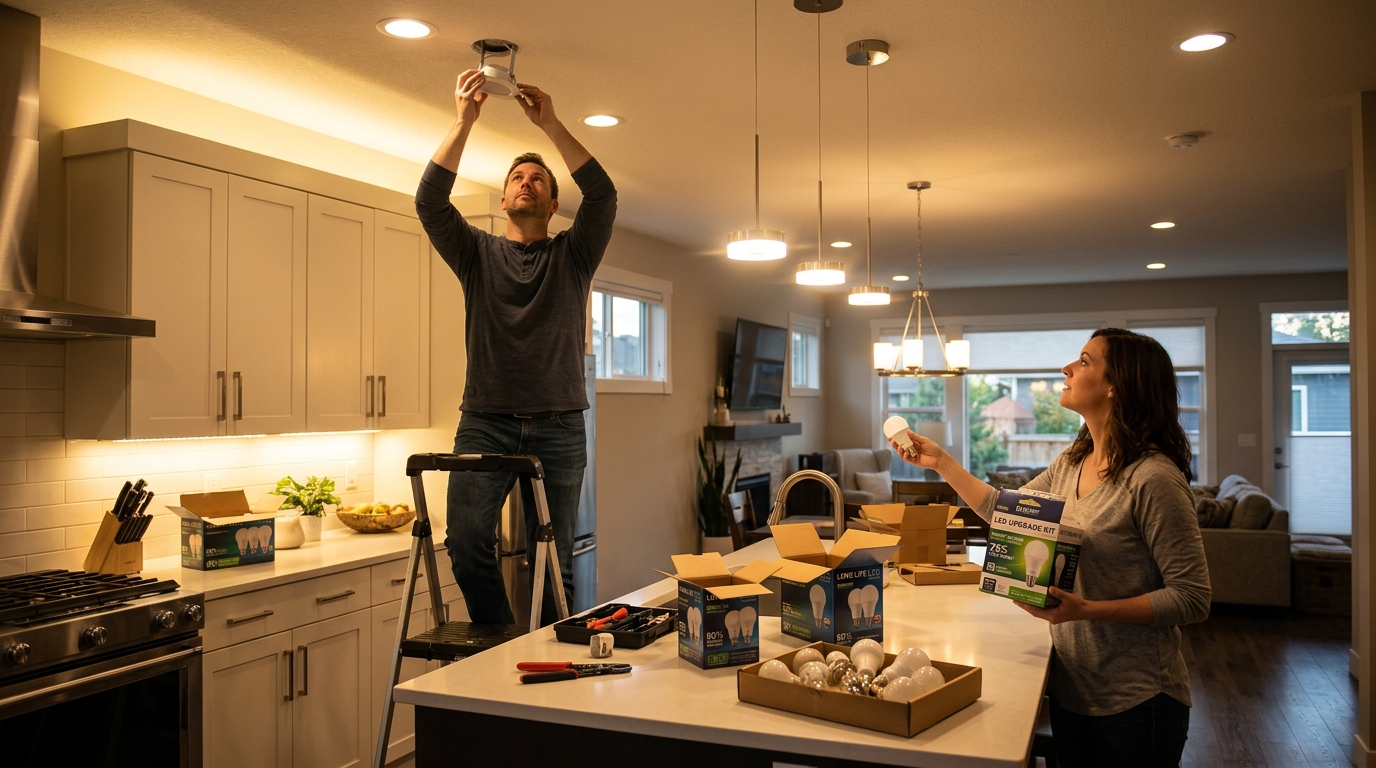
Want to brighten up your space while saving money on your energy bill? Look no further than LED lighting upgrades! These energy-efficient light bulbs are not only better for the environment but also for your wallet. With their long lifespan and low energy consumption, LED lights are the perfect solution for anyone looking to reduce their carbon footprint and cut down on electricity costs. Say goodbye to constantly changing light bulbs and hello to a brighter, more sustainable future with the best LED lighting upgrades for energy savings.
Top LED Bulbs for Energy Efficiency
LED bulbs are known for their energy efficiency and long lifespan compared to traditional incandescent bulbs. When looking for LED bulbs that prioritize energy efficiency, there are several top options to consider:
Philips LED Non-Dimmable A19 Frosted Light Bulb: This bulb offers a soft white light and is Energy Star certified, ensuring energy savings over its long 10,000-hour lifespan.
Cree 60W Equivalent Soft White A19 Dimmable LED Light Bulb: This bulb provides a warm white light and is dimmable, allowing for customizable lighting options while still being energy-efficient.
GE Lighting 67615 Dimmable LED A19 Light Bulb: With a long lifespan of 13.7 years based on 3 hours of daily use, this bulb is an energy-efficient choice for both residential and commercial settings.
How to Choose the Right LED Fixture
Consider the Room: When choosing the right LED fixture, it’s important to consider the room where it will be installed. Different rooms may require different levels of brightness and color temperatures. For example, a bright white light may be suitable for a kitchen or workspace, while a warmer, softer light may be more appropriate for a bedroom or living room. Take into account the function of the room and the atmosphere you want to create.
Choose the Right Color Temperature: LED fixtures come in a range of color temperatures, from warm (soft white/yellow tones) to cool (bright white/blue tones). Selecting the right color temperature can greatly impact the mood and functionality of a space. For instance, cooler temperatures are often preferred for task lighting, while warmer temperatures can create a cozy ambiance. Consider the activities that will take place in the room to determine the most suitable color temperature for your LED fixture.
LED Lighting Trends for 2021
Smart Lighting Integration: One of the prominent trends in LED lighting for 2021 is the integration of smart technology. LED lighting systems are increasingly being designed to be compatible with smart home devices, allowing users to control their lighting remotely through voice commands or mobile apps. This trend not only enhances convenience but also promotes energy efficiency by enabling users to schedule lighting based on their needs.
Human-Centric Lighting: Another significant trend in LED lighting for 2021 is the emphasis on human-centric lighting solutions. These lighting systems are designed to mimic natural light patterns to support human health and well-being. By adjusting color temperature and intensity throughout the day, human-centric LED lighting can enhance productivity, mood, and overall comfort. As awareness of the impact of lighting on human health grows, the adoption of human-centric LED lighting is expected to increase in various settings, including homes, offices, and healthcare facilities.
DIY LED Lighting Upgrades for Your Home
DIY LED lighting upgrades for your home can be a cost-effective and rewarding way to improve the lighting quality and energy efficiency of your living space. One simple upgrade is to replace traditional incandescent or CFL bulbs with LED bulbs. LED bulbs are more energy-efficient, have a longer lifespan, and provide better quality lighting. Another DIY project is to install LED strip lights under cabinets or in coves to add ambiance or task lighting to your kitchen or living room. These strip lights are easy to install and can be controlled with a remote or smartphone app for added convenience.
If you’re feeling more adventurous, consider replacing traditional light fixtures with LED fixtures. LED fixtures come in a variety of styles and designs to suit any decor. You can also explore smart LED lighting options that can be programmed to change color temperature or brightness levels according to your preferences. DIY LED lighting upgrades not only enhance the aesthetics of your home but also contribute to energy savings in the long run.
Commercial LED Lighting Solutions
Commercial LED lighting solutions offer a range of benefits for businesses looking to improve energy efficiency and enhance the overall lighting quality of their premises. LED technology provides long-lasting, energy-efficient lighting options that can help reduce electricity costs and maintenance expenses for commercial spaces. These solutions are ideal for office buildings, retail stores, warehouses, and other commercial settings where lighting plays a crucial role in creating a productive and inviting environment.
By upgrading to commercial LED lighting solutions, businesses can enjoy better lighting quality, increased energy savings, and reduced environmental impact. LED fixtures are available in a variety of designs and color temperatures to suit different commercial settings and requirements. Additionally, many LED lighting solutions come with smart controls and dimming capabilities, allowing businesses to customize their lighting preferences and further optimize energy usage. Overall, commercial LED lighting solutions offer a cost-effective and sustainable lighting option for businesses looking to improve their lighting infrastructure.
Calculating Energy Savings with LED Upgrades
Calculating the energy savings from upgrading to LED lighting involves a straightforward process that can help you understand the potential cost benefits. The first step is to determine the wattage of the existing lighting fixtures and the number of hours they are typically used each day. Next, compare this to the wattage of the LED bulbs you plan to install and factor in their lifespan in hours. By calculating the difference in energy consumption between the two types of lighting and multiplying it by the cost per kilowatt-hour, you can estimate the annual energy savings.
Additionally, consider other factors such as maintenance costs, cooling savings due to reduced heat output from LEDs, and any available rebates or incentives for energy-efficient upgrades. These calculations can provide a clearer picture of the overall cost savings and return on investment you can expect from transitioning to LED lighting. By understanding the potential energy savings, you can make an informed decision on whether upgrading to LED lighting is a financially beneficial choice for your home or business.