
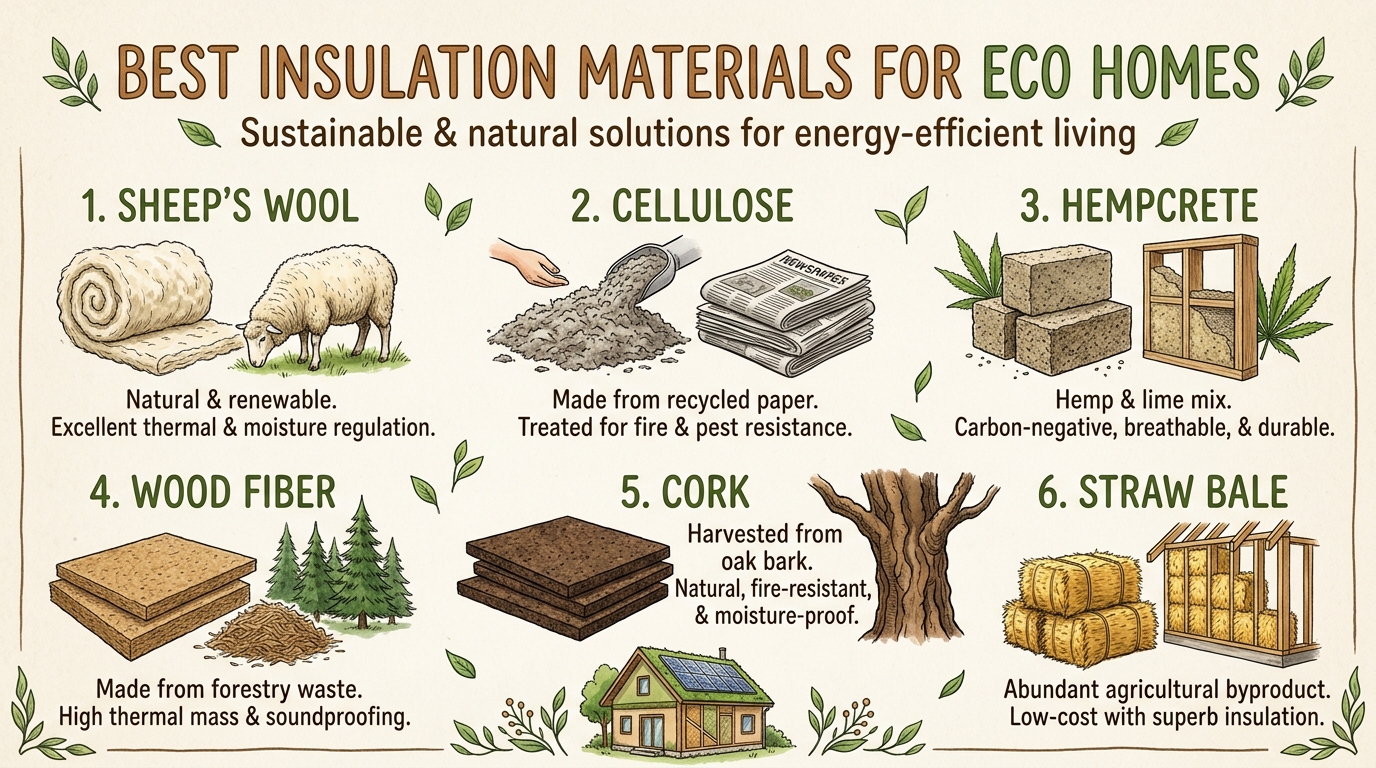
Looking to create an eco-friendly oasis in your home? Choosing the right insulation materials can make all the difference. From keeping your space comfortable year-round to reducing energy costs, the right insulation can be a game-changer. When it comes to eco homes, selecting insulation materials that are not only effective but also sustainable is key. Let’s dive into the best insulation materials for eco homes that will help you create a space that is both environmentally friendly and energy-efficient.
Benefits of Eco Homes
Eco homes offer numerous benefits for both homeowners and the environment. One of the primary advantages is energy efficiency, leading to lower utility bills and reduced carbon footprint. By using sustainable materials and practices, eco homes promote healthier indoor air quality, making them ideal for individuals with respiratory issues or allergies. Additionally, these homes often have higher resale values and appeal to environmentally conscious buyers.
Another significant benefit is the long-term cost savings associated with eco homes. While the initial investment may be higher, the savings on energy bills and maintenance costs over the years can result in substantial financial benefits. Furthermore, eco homes contribute to a more sustainable future by conserving natural resources and reducing overall environmental impact, making them a wise choice for those looking to live more responsibly.
Factors to Consider When Choosing Insulation
R-Value: The R-value of insulation is a crucial factor to consider when choosing the right material for your eco home. The R-value indicates the insulation’s thermal resistance, with higher values providing better insulation. It’s essential to assess your region’s climate and determine the recommended R-value for optimal energy efficiency.
Material Sustainability: When selecting insulation for your eco home, it’s important to consider the sustainability of the material. Look for options that are renewable, recyclable, or made from recycled content. Materials such as cellulose, recycled denim, wool, and cork are environmentally friendly choices that can help reduce your home’s carbon footprint.
Installation and Maintenance: Another factor to consider is the ease of installation and long-term maintenance requirements of the insulation material. Some materials may require professional installation, while others can be easily installed as a DIY project. Additionally, consider the durability and longevity of the insulation to ensure it will continue to perform effectively over time, reducing the need for frequent replacements.
Top Insulation Materials for Eco Homes
Fiberglass: One of the most common and cost-effective insulation materials, fiberglass is made of tiny fibers of glass. It is non-combustible, moisture-resistant, and comes in batts, rolls, or loose-fill forms. Fiberglass insulation is known for its thermal performance and ease of installation, making it a popular choice for eco homes.
Cellulose: Made from recycled paper materials, cellulose insulation is an environmentally friendly option for eco homes. It is treated with fire-retardant chemicals to improve its resistance to flames and pests. Cellulose insulation is known for its ability to fill small gaps and crevices, providing excellent thermal insulation and soundproofing benefits.

Cost-Effective Insulation Solutions
Cost-effective insulation solutions are essential for homeowners looking to improve energy efficiency without breaking the bank. One popular option is fiberglass insulation, which is relatively inexpensive and provides good thermal performance. It is easy to install and can be a cost-effective choice for many eco-friendly homes.
Another budget-friendly option is cellulose insulation, made from recycled paper products. Cellulose insulation is an eco-friendly choice that offers good thermal performance and can help reduce energy costs. Additionally, spray foam insulation, while slightly more expensive upfront, can provide significant long-term savings by sealing air leaks and improving overall energy efficiency in a home.
Eco-Friendly Insulation Options
Eco-friendly insulation options are becoming increasingly popular as people strive to reduce their environmental impact. One such option is cellulose insulation, made from recycled paper materials such as newspapers. Cellulose insulation is not only environmentally friendly but also provides excellent thermal performance, making it a sustainable choice for eco-conscious homeowners.
Another eco-friendly insulation option is wool insulation, which is made from natural sheep’s wool. Wool insulation is biodegradable, renewable, and has excellent thermal properties. It is also non-toxic and safe to handle, making it a great choice for those concerned about indoor air quality. By choosing eco-friendly insulation options, homeowners can not only reduce their carbon footprint but also create a healthier living environment for themselves and their families.
After considering the benefits, factors, materials, cost-effective solutions, and eco-friendly options for insulation in eco homes, it is evident that making informed choices in insulation can significantly impact the sustainability and energy efficiency of a building. By selecting the right insulation materials and methods, homeowners can reduce energy consumption, lower utility costs, and decrease their carbon footprint.
It is crucial for individuals to prioritize eco-friendly practices and products when it comes to building or renovating homes. Investing in high-quality insulation that meets environmental standards not only benefits the planet but also contributes to a healthier indoor environment and long-term cost savings. In conclusion, choosing the right insulation for eco homes is a key step towards creating a more sustainable and energy-efficient living space.