
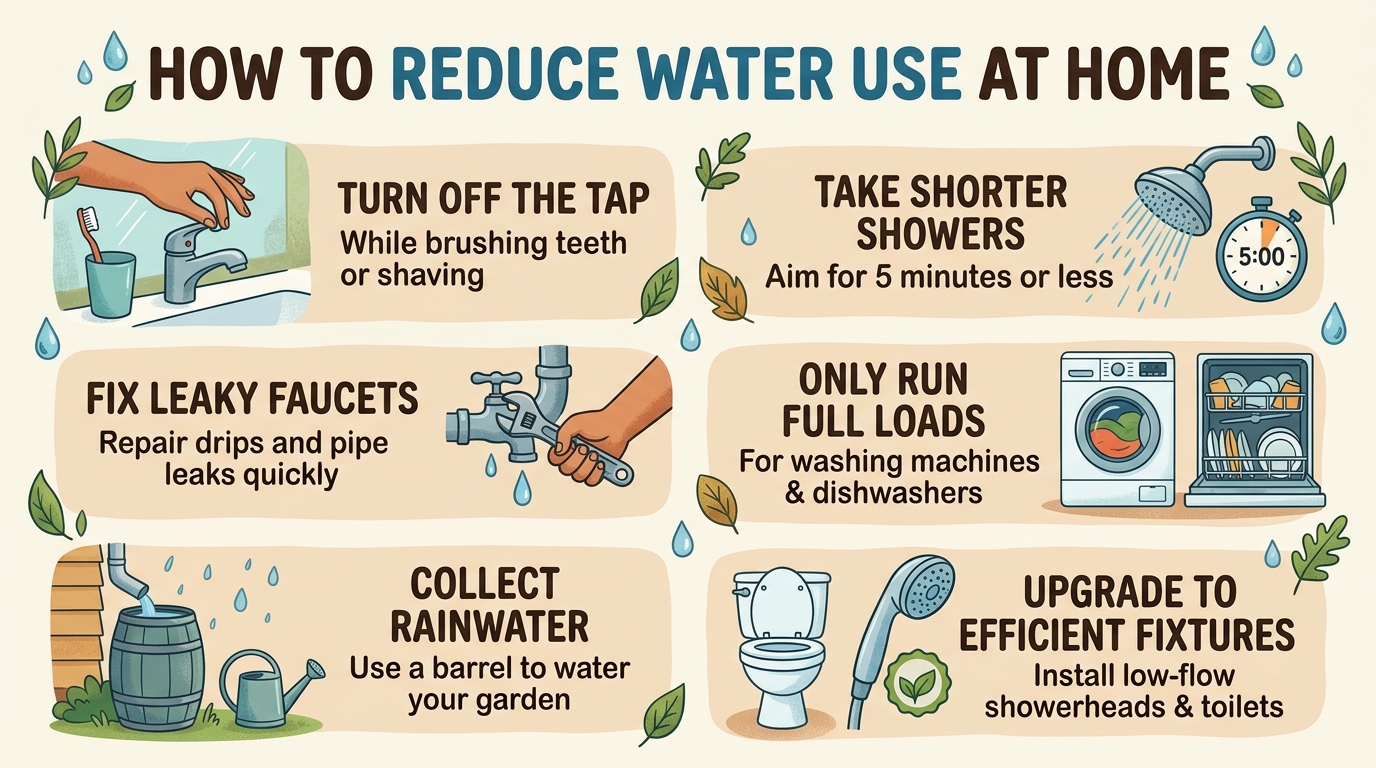
Hey there, water warriors! Are you ready to make a splash with some easy-peasy ways to reduce your water usage at home? We all know that water is a precious resource, so why not do our part in conserving it? From simple tricks like fixing leaky faucets to more mindful habits like shorter showers, there are plenty of ways to cut back on water waste without sacrificing comfort or convenience. So, grab a glass of H2O (but not too full!) and let’s dive in to discover how we can all make a big difference, one drop at a time. Let’s make a splash together!
Importance of Reducing Water Use
Conserving water is crucial for both environmental sustainability and cost-effectiveness. Water is a finite resource that is essential for life, agriculture, and various industries. By reducing water consumption, we can help protect natural ecosystems, ensure water availability for future generations, and lower utility bills.
Excessive water use can lead to water scarcity, which can have detrimental effects on ecosystems and communities. By being mindful of our water usage and implementing water-saving practices, we can contribute to a more sustainable future. Conserving water also helps reduce energy consumption associated with water treatment and distribution, further lowering our environmental impact.
Identify Water-Wasting Habits
Identifying water-wasting habits is the first step towards reducing water consumption and promoting water conservation. Common water-wasting habits include leaving the faucet running while brushing teeth, taking long showers, using the toilet as a trash can, running the dishwasher or washing machine with partial loads, and ignoring leaks in faucets or pipes. By recognizing these habits, individuals can take proactive measures to address them and make a significant impact on reducing water waste.
Monitoring daily routines and being mindful of water usage is key to identifying water-wasting habits. Keeping track of water consumption patterns, conducting regular checks for leaks, and educating household members about the importance of water conservation can help in identifying and rectifying water-wasting behaviors. By taking the time to assess and address these habits, individuals can contribute to a more sustainable water future for themselves and the environment.
Tips for Reducing Water Use in the Kitchen
Use a Dishwasher Efficiently: Make sure your dishwasher is fully loaded before running it to maximize water efficiency. Avoid pre-rinsing dishes under running water and opt for the dishwasher’s eco-friendly setting if available.
Fix Leaks Promptly: Check for and repair any leaks in your kitchen sink, faucet, or dishwasher. Even a small leak can waste a significant amount of water over time, impacting both your bills and the environment.
Opt for Efficient Appliances: When replacing kitchen appliances, such as faucets or dishwashers, choose WaterSense labeled products that are designed to be more water-efficient without sacrificing performance. Look for models with high energy efficiency ratings as well.
Tips for Reducing Water Use in the Bathroom
Install Water-Efficient Fixtures: One of the most effective ways to reduce water use in the bathroom is by installing water-efficient fixtures. Consider replacing old toilets, faucets, and showerheads with low-flow options. Low-flow fixtures can significantly decrease water consumption without compromising performance.
Fix Leaks Promptly: Leaks in the bathroom, such as a dripping faucet or a running toilet, can waste a significant amount of water over time. Be proactive in fixing any leaks promptly to prevent unnecessary water wastage. Regularly check for leaks and address them promptly to conserve water and save on your water bill.
Shorten Shower Time: Another simple way to reduce water use in the bathroom is by shortening shower time. Consider taking shorter showers or turning off the water while lathering up or shaving. Cutting down on shower time can lead to substantial water savings over time, benefiting both the environment and your wallet.
Outdoor Water Conservation Tips
Landscaping: Choose native plants that are adapted to the local climate, as they require less water to thrive. Group plants with similar water needs together to avoid overwatering. Consider using mulch to retain moisture in the soil and reduce evaporation.
Irrigation: Use drip irrigation systems or soaker hoses to deliver water directly to the roots of plants, minimizing water waste through evaporation and runoff. Water your lawn and garden early in the morning or late in the evening to reduce water loss due to evaporation during the heat of the day.
Water conservation is crucial for the sustainability of our environment and the well-being of future generations. By implementing simple changes in our daily habits, such as fixing leaks, using water-efficient appliances, and being mindful of our water consumption, we can collectively make a significant impact on preserving this precious resource.
Remember, every drop counts. Whether it’s reducing water wastage in the kitchen, bathroom, or outdoors, each small effort adds up to a larger positive outcome. Let’s commit to being responsible stewards of water resources and strive to create a more sustainable world for ourselves and for generations to come.