
#NAME?
Solar Panels: How They Work
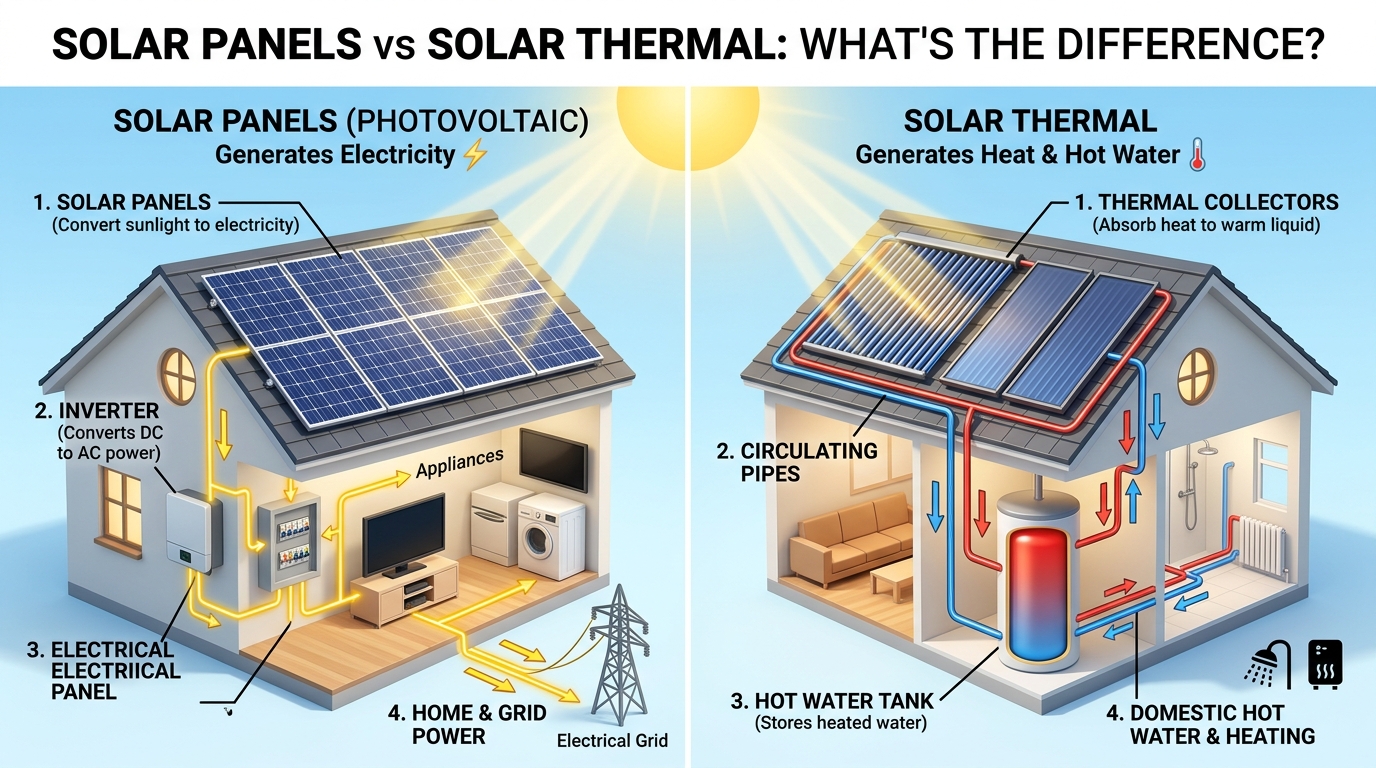
Solar panels work by converting sunlight into electricity through a process called the photovoltaic effect. Each solar panel is made up of multiple solar cells, which are typically made from silicon. When sunlight hits the solar cells, the photons from the sunlight are absorbed by the semiconductor material, knocking electrons loose and creating an electric current. This direct current (DC) electricity is then converted into alternating current (AC) electricity using an inverter, making it suitable for powering homes and businesses.
One key component of solar panels is the sun-tracking system, which allows the panels to follow the sun’s path across the sky, maximizing the amount of sunlight they can capture. This system ensures that the panels operate at peak efficiency throughout the day. Overall, solar panels are a sustainable and renewable energy source that harnesses the power of the sun to generate clean electricity, making them an increasingly popular choice for environmentally conscious individuals and organizations.
Solar Thermal: How It Works
Solar thermal energy is a technology that harnesses sunlight to generate heat, which can then be used for various applications. The basic principle behind solar thermal systems involves capturing sunlight using solar collectors, which are typically panels or mirrors that are designed to absorb and concentrate sunlight. These collectors then transfer the heat to a fluid, such as water or oil, circulating through the system.
Once the fluid is heated, it can be used directly for applications such as space heating, water heating, or for generating electricity through a steam turbine. In the case of electricity generation, the heated fluid produces steam, which drives a turbine connected to a generator. Solar thermal systems can be classified into different types based on the method of concentrating sunlight, such as parabolic troughs, solar power towers, and dish collectors. Overall, solar thermal technology offers a sustainable and efficient way to harness solar energy for various heating and power generation needs.
Pros and Cons of Solar Panels
Pros: Solar panels offer numerous benefits, making them a popular choice for renewable energy generation. One of the key advantages is their ability to harness energy from the sun, a free and abundant resource. Solar panels are environmentally friendly, producing clean energy without emitting harmful greenhouse gases. They require minimal maintenance and have a long lifespan, providing a reliable source of electricity for many years. Additionally, solar panels can help reduce electricity bills and even generate income through net metering or feed-in tariffs.
Cons: Despite their many benefits, solar panels also have some drawbacks to consider. The initial cost of purchasing and installing solar panels can be high, although prices have been decreasing in recent years. The efficiency of solar panels can be affected by factors such as weather conditions, shading, and the angle of installation. Energy storage can be a challenge, as solar panels only generate electricity when the sun is shining. Disposal of solar panels at the end of their lifespan also raises environmental concerns, as they contain materials that require proper recycling or disposal methods.
Pros and Cons of Solar Thermal
Pros: Solar thermal energy systems have several advantages. Firstly, they are highly efficient in converting sunlight into usable heat, making them a cost-effective option for heating water and spaces. Additionally, solar thermal systems can be integrated with existing heating systems, reducing reliance on traditional energy sources and lowering utility bills. Another benefit is that solar thermal technology is relatively simple and reliable, requiring minimal maintenance once installed.
Cons: Despite the advantages, solar thermal systems also have some drawbacks. One of the main challenges is their dependency on weather conditions, as sunlight availability directly impacts their performance. In regions with inconsistent sunlight, solar thermal systems may not be as reliable. Another concern is the initial cost of installation, which can be relatively high compared to conventional heating systems. Additionally, some solar thermal systems may require more space for installation, which could be a limitation for those with limited space availability.
Cost Comparison
Solar panels and solar thermal systems both offer environmentally friendly ways to harness energy from the sun, but they differ in cost considerations. In terms of upfront costs, solar panels are typically more expensive to install compared to solar thermal systems. Solar panels require photovoltaic cells to convert sunlight into electricity, which can be a significant initial investment. On the other hand, solar thermal systems use sunlight to heat water or air directly, which generally requires less complex technology and may be more cost-effective to install initially.
However, when considering long-term savings and return on investment, solar panels often come out ahead. Solar panels can generate electricity that can be used to power homes or businesses, potentially reducing or even eliminating electricity bills over time. Additionally, some regions offer incentives or rebates for installing solar panels, further offsetting the initial cost. Solar thermal systems, while cheaper to install initially, may not provide as significant long-term savings on energy bills. Ultimately, the cost comparison between solar panels and solar thermal systems depends on individual energy needs, budget constraints, and long-term sustainability goals.
Solar energy is a promising and sustainable alternative to traditional sources of energy. As technology continues to advance, the efficiency and affordability of solar panels and solar thermal systems are improving, making them more accessible to a wider range of consumers. By harnessing the power of the sun, we can reduce our reliance on fossil fuels and decrease our carbon footprint, contributing to a cleaner and greener planet.
It is clear that investing in solar energy can have numerous benefits, both for individuals and for the environment as a whole. While there are initial costs involved, the long-term savings and positive impact on the environment make solar energy a worthwhile investment. As more people make the switch to solar power, we move closer to a more sustainable future for generations to come.