
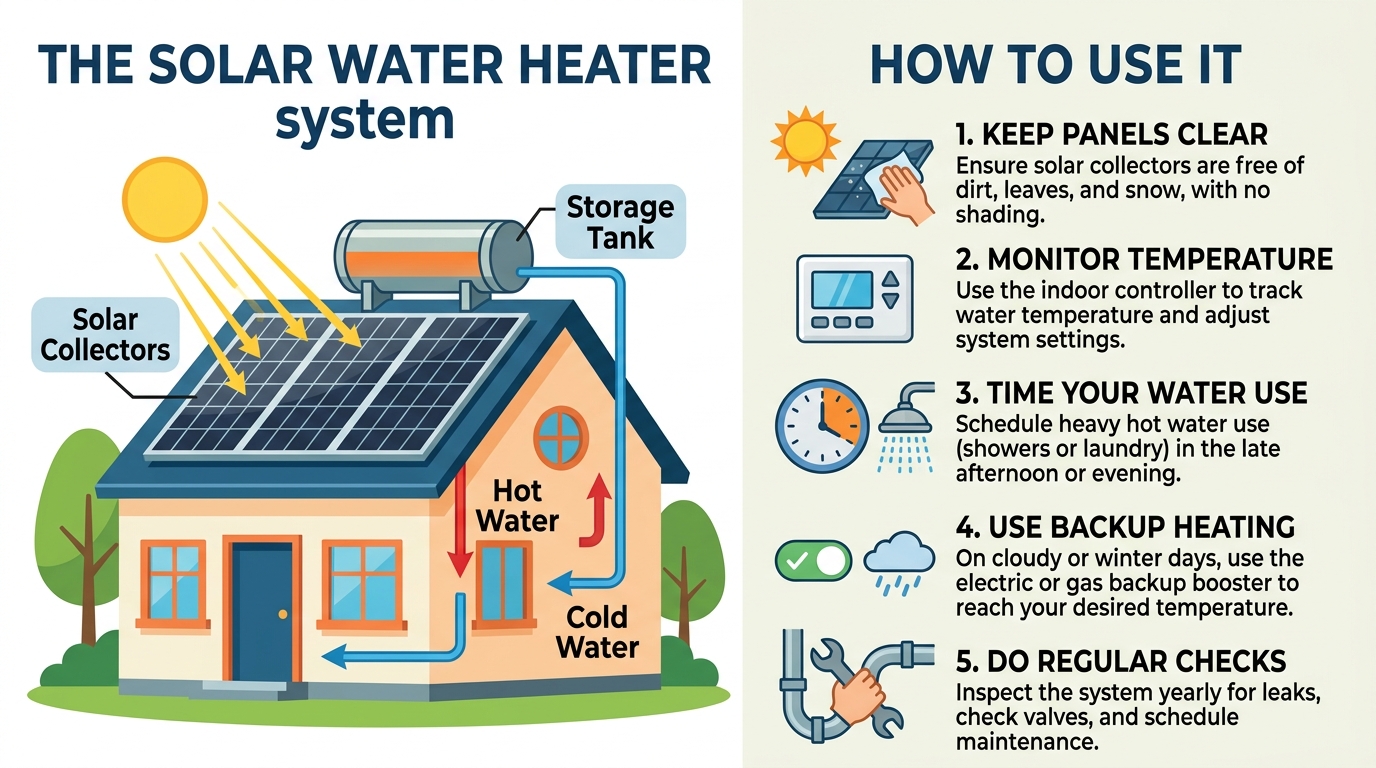
Picture this: a warm, soothing shower on a chilly morning, all powered by the sun. Sounds like a dream, right? Well, with a solar water heater, this dream can become a reality. Harnessing the power of the sun to heat your water is not only environmentally friendly but also cost-effective in the long run. By utilizing a solar water heater, you can reduce your carbon footprint while enjoying the luxury of hot water whenever you need it. In this blog post, we will explore how to effectively use a solar water heater, from installation to maintenance, so you can make the most out of this eco-friendly technology.
Benefits of Using a Solar Water Heater
Saving on Energy Costs: One of the primary benefits of using a solar water heater is the significant reduction in energy costs. By harnessing energy from the sun, these systems can heat water without relying on electricity or gas, leading to long-term savings on utility bills.
Environmentally Friendly: Solar water heaters are environmentally friendly as they utilize renewable energy sources, reducing the carbon footprint associated with traditional water heating methods. By switching to solar energy, homeowners can contribute to a more sustainable and greener future.
Types of Solar Water Heaters
Solar water heaters come in various types, each designed to suit different needs and requirements:
Active Solar Water Heaters: These systems use pumps to circulate water or a heat-transfer fluid through the solar collector. There are two main types of active systems: direct circulation systems, where pumps circulate water through the collectors and into the home, and indirect circulation systems, where pumps circulate a heat-transfer fluid through the collectors and a heat exchanger.
Passive Solar Water Heaters: These systems rely on gravity and natural convection to circulate water through the collectors and into the storage tank. There are two types of passive systems: integral collector-storage systems, where the storage tank is integrated into the collector, and thermosyphon systems, where water flows through the system without the need for pumps.
Batch Solar Water Heaters: Also known as ICS (Integrated Collector Storage) systems, these are simple and cost-effective systems where the water is heated directly in the solar collector and then stored in a tank until needed. Batch systems are typically used in mild climates and for small-scale applications.
Installation Process of a Solar Water Heater
Installing a solar water heater involves several key steps to ensure optimal performance and efficiency. The first step is to assess the location for installation, ensuring that it receives ample sunlight throughout the day. Next, the mounting system needs to be securely installed on the roof or a ground mount structure.
After the mounting system is in place, the solar collectors are positioned and connected to the water storage tank. Proper plumbing connections are essential to ensure the circulation of water between the collectors and tank. Finally, the system needs to be properly insulated to prevent heat loss and maximize energy savings. Once the installation is complete, it is important to check for any leaks or issues to ensure the system functions correctly.

Maintenance Tips for Solar Water Heaters
Regular Inspection: It is essential to regularly inspect your solar water heater system to ensure optimal performance. Check for any leaks, corrosion, or damage to the components. By catching any issues early, you can prevent major problems and prolong the lifespan of your system.
Cleaning the Panels: Keep the solar panels clean from dust, dirt, and debris to maximize the absorption of sunlight. Regularly wash the panels with water and a mild detergent to remove any buildup that can decrease efficiency. Clean panels will ensure that your system operates at its highest capacity.
Cost Analysis of Solar Water Heaters
Cost analysis of solar water heaters involves considering both the initial investment and long-term savings. The upfront cost of purchasing and installing a solar water heater can vary depending on the type, size, and complexity of the system. Generally, solar water heaters are more expensive than traditional water heaters, but the savings on energy bills over time can offset this initial cost.
It is essential to factor in potential rebates, tax incentives, and energy savings when evaluating the cost-effectiveness of a solar water heater. While the initial investment may be higher, the long-term benefits of reduced energy costs and lower environmental impact make solar water heaters a financially sound choice for many homeowners and businesses looking to invest in sustainable and renewable energy solutions.
Frequently Asked Questions about Solar Water Heaters
Are solar water heaters suitable for all climates? Solar water heaters can be effective in a wide range of climates, although they tend to perform best in areas with abundant sunlight. In colder climates, systems may require a backup heating source to ensure hot water availability during extended periods of low sunlight.
How long do solar water heaters last? With proper maintenance, solar water heaters can have a lifespan of 20 years or more. Regular inspections, cleaning, and servicing of components such as the collector and storage tank can help extend the system’s longevity.
What size solar water heater do I need for my home? The size of the solar water heater needed for a home depends on factors such as the number of occupants, hot water usage patterns, and climate conditions. A professional installer can assess your requirements and recommend the appropriate system size for optimal performance.
Do solar water heaters require a lot of maintenance? While solar water heaters are generally low maintenance, regular upkeep is essential to ensure efficient operation. Tasks such as checking for leaks, inspecting components for damage, and cleaning the collector surface can help prevent issues and prolong the system’s lifespan.