
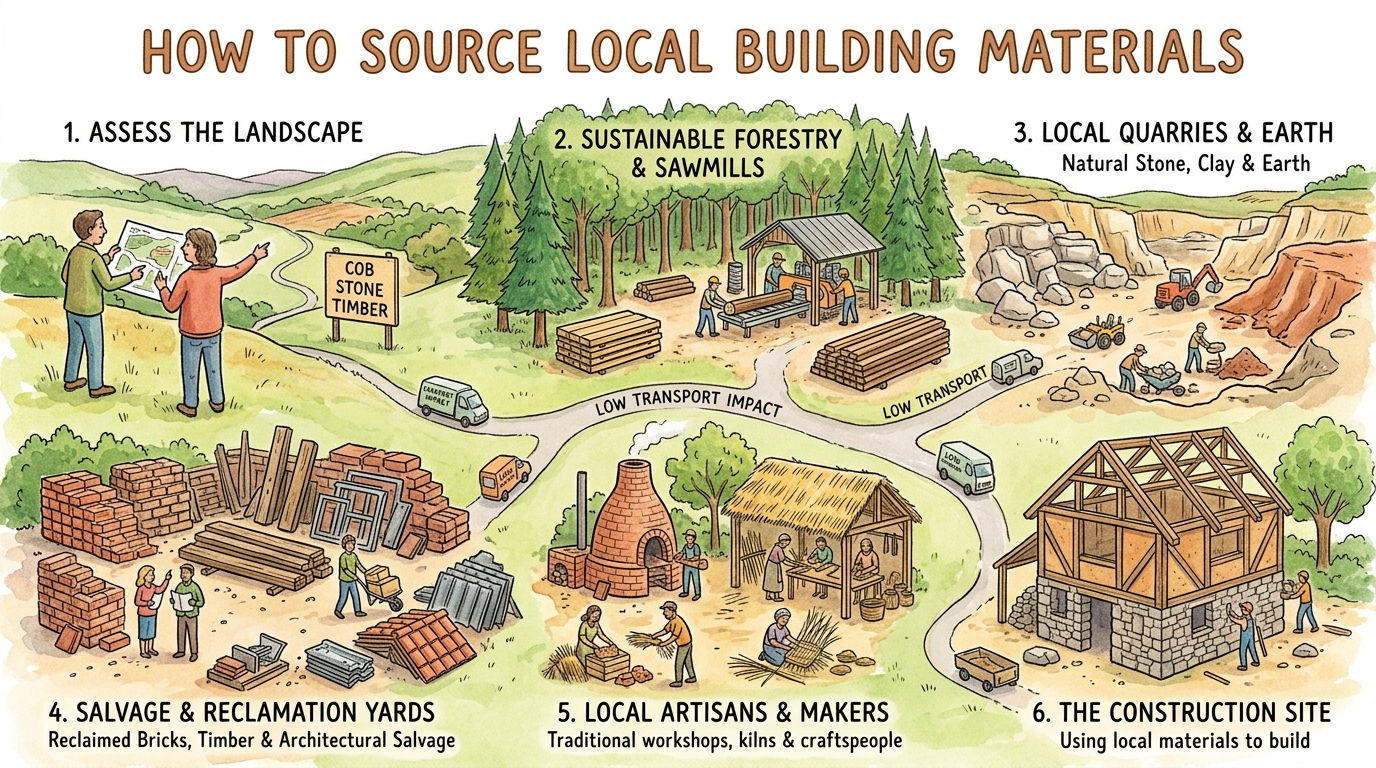
Imagine creating your dream home using materials sourced right from your own community. From reclaimed wood to locally quarried stone, sourcing local building materials not only adds a unique touch to your project but also supports your local economy and reduces environmental impact. In this blog post, we’ll explore the benefits of using local materials for your construction projects and provide tips on how to source them effectively. Whether you’re a DIY enthusiast or a professional builder, incorporating locally sourced materials into your next project can add a touch of authenticity and sustainability that sets your work apart. Let’s dive in and discover the world of local building materials!
Benefits of Using Local Building Materials
Cost-Effectiveness: One of the primary benefits of using local building materials is cost-effectiveness. Locally sourced materials are often more affordable than imported ones due to reduced transportation costs. This can result in significant savings for construction projects, especially for large-scale developments.
Sustainability: Another key advantage of utilizing local building materials is sustainability. By sourcing materials locally, construction projects can reduce their carbon footprint by minimizing the energy and emissions associated with transportation. Additionally, using local materials supports the local economy and promotes community development, creating a more sustainable construction industry overall.
Where to Find Local Building Materials
Local Suppliers: One of the most direct ways to find local building materials is by connecting with local suppliers. These suppliers may include lumberyards, hardware stores, and specialty shops that source materials locally. Visiting these suppliers in person or browsing their websites can help you discover a variety of options available in your area.
Online Marketplaces: Utilizing online marketplaces specific to your region can also be a great resource for finding local building materials. Websites and platforms that cater to local artisans, craftsmen, and suppliers can provide a wide range of materials that are unique to your area. Additionally, online marketplaces often offer the convenience of comparing prices and sourcing materials from the comfort of your home or office.
Tips for Sourcing Local Building Materials
Research Local Suppliers: Start by researching local suppliers of building materials in your area. Look for suppliers who specialize in sustainable and locally sourced materials. Visit their websites, contact them directly, or visit their physical locations to learn more about the materials they offer.
Utilize Online Platforms: Explore online platforms that connect buyers with local suppliers of building materials. Websites and apps dedicated to sustainable construction materials can help you find a wide range of options in your area. These platforms often provide information on the materials available, pricing, and supplier reviews.
Attend Local Events and Workshops: Networking events, workshops, and trade shows focused on sustainable construction are great places to connect with local suppliers and learn more about the materials they offer. These events provide valuable opportunities to meet suppliers face-to-face, ask questions, and establish relationships for future projects.

Case Studies of Projects Using Local Materials
Case studies of projects using local materials provide real-world examples of the benefits of incorporating locally sourced materials in construction. By showcasing successful projects that have utilized materials found in the immediate vicinity, these case studies offer inspiration and practical insights for future endeavors. They demonstrate how local materials can be not only cost-effective but also sustainable, as they reduce the environmental impact associated with transportation and support the local economy.
Furthermore, case studies help in highlighting the unique aesthetic qualities that local materials can bring to a project, adding a sense of place and cultural relevance. By examining the strategies and challenges faced by these projects, individuals and organizations can learn valuable lessons on how to optimize the use of local materials, foster community engagement, and create structures that harmonize with their surroundings.
Challenges of Using Local Building Materials
Cost: One of the main challenges of using local building materials is the cost factor. While it may seem logical that local materials should be cheaper due to reduced transportation costs, this is not always the case. In some regions, local materials can be more expensive due to limited availability or lack of competition among suppliers. This can significantly impact the overall budget of a construction project.
Quality and Consistency: Another challenge is ensuring the quality and consistency of local building materials. Local materials may vary in quality depending on factors such as sourcing, processing, and storage. Maintaining consistent quality standards can be difficult when dealing with various suppliers and sources. This can lead to issues such as structural weaknesses, aesthetic inconsistencies, or durability problems in the finished construction project.
Local building materials are a sustainable and cost-effective option for construction projects. By utilizing materials sourced from nearby areas, builders can reduce the environmental impact of transportation and support local economies. Additionally, using local materials can enhance the uniqueness and authenticity of a project, adding a sense of place and cultural significance.
In conclusion, incorporating local building materials into construction projects is a win-win solution for both the environment and the community. Builders should continue to explore and embrace the use of local materials, considering factors such as availability, durability, and aesthetic appeal. By doing so, they can contribute to a more sustainable and resilient built environment for future generations.