
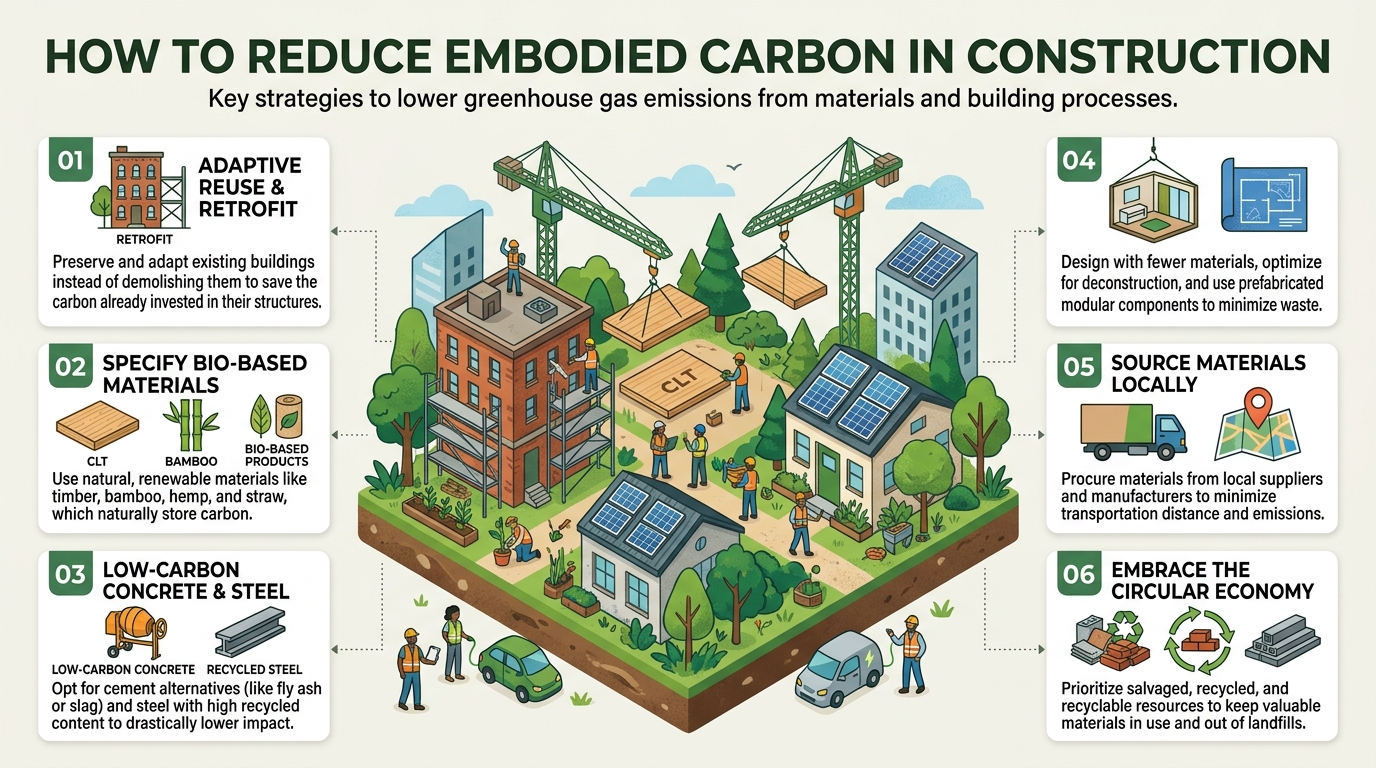
Are you ready to build a more sustainable future? The construction industry plays a significant role in carbon emissions, with the production of building materials contributing to a large portion of the carbon footprint. By focusing on reducing embodied carbon in construction, we can make a positive impact on the environment. From choosing low-carbon materials to optimizing construction processes, there are various strategies that can be implemented to minimize the carbon footprint of buildings. Let’s explore how we can take steps towards a greener and more sustainable approach to construction.
What is Embodied Carbon?
Embodied carbon refers to the total amount of greenhouse gas emissions produced during the entire lifecycle of a product or material. This includes emissions from extracting raw materials, manufacturing, transportation, construction, maintenance, and disposal. It is a crucial concept in the construction industry as it accounts for a significant portion of the overall carbon footprint of buildings and infrastructure.
Calculating embodied carbon helps in understanding the environmental impact of construction projects and allows for informed decision-making to reduce carbon emissions. By addressing embodied carbon, construction stakeholders can work towards achieving more sustainable and environmentally friendly practices in the built environment.
Importance of Reducing Embodied Carbon
Reducing embodied carbon in construction is crucial for combating climate change and achieving sustainability goals. Embodied carbon refers to the total carbon emissions associated with the manufacturing, transportation, and construction of building materials. These emissions contribute significantly to the carbon footprint of buildings and infrastructure projects. By minimizing embodied carbon, we can reduce the environmental impact of the built environment and work towards a more sustainable future.
Furthermore, reducing embodied carbon can lead to long-term cost savings for developers and building owners. By choosing low-carbon materials and construction methods, projects can lower their operational carbon emissions over the building’s lifecycle. This not only benefits the environment but also improves the overall economic viability of construction projects. As public awareness of climate change grows, the importance of reducing embodied carbon is becoming increasingly recognized in the construction industry as a key strategy for sustainable development.
Strategies to Reduce Embodied Carbon in Construction
Optimizing Design: One of the key strategies to reduce embodied carbon in construction is through optimizing design processes. This involves using innovative design techniques such as parametric modeling and advanced building simulations to create more efficient and sustainable structures. By carefully considering material choices, building orientation, and construction methods during the design phase, it is possible to significantly reduce the overall embodied carbon of a building.
Material Selection: Another important strategy is to prioritize the use of low-carbon materials in construction projects. This includes choosing materials with lower embodied carbon content, such as recycled and reclaimed materials, as well as locally sourced materials to reduce transportation emissions. Additionally, using materials with high levels of durability and longevity can help decrease the need for frequent replacements, further reducing the carbon footprint of a building over its lifecycle.

Sustainable Materials and Technologies
Sustainable materials are essential for reducing embodied carbon in construction projects. These materials are sourced, manufactured, and used in ways that minimize environmental impact and promote long-term sustainability. Examples include recycled steel, reclaimed wood, bamboo, and low-carbon concrete. By incorporating sustainable materials into building design and construction, the overall carbon footprint can be significantly reduced.
Sustainable technologies play a crucial role in minimizing embodied carbon as well. Advancements in building technologies, such as energy-efficient HVAC systems, solar panels, green roofs, and smart lighting solutions, can help decrease energy consumption and carbon emissions throughout the life cycle of a building. Integrating these technologies into construction projects not only reduces environmental impact but also enhances the overall performance and efficiency of the built environment.
Case Studies
Case studies provide real-world examples of how reducing embodied carbon can be achieved in construction projects. By examining successful projects that have implemented strategies to minimize embodied carbon emissions, stakeholders can gain valuable insights and inspiration for their own initiatives. These case studies showcase a variety of approaches, such as using sustainable materials, optimizing building design, and incorporating innovative construction techniques.
Through detailed analysis of these case studies, industry professionals can learn about the challenges faced, the solutions implemented, and the outcomes achieved in terms of reduced carbon footprint. These practical examples serve as a roadmap for others looking to make a positive impact on the environment through the reduction of embodied carbon in construction.
Conclusion and Call to Action
Conclusion: In conclusion, addressing embodied carbon in construction is crucial for achieving sustainable and environmentally friendly building practices. By considering the carbon footprint of materials and construction processes, we can work towards reducing emissions and mitigating climate change impacts. It is essential for the construction industry to prioritize sustainability and adopt strategies that focus on lowering embodied carbon to create a more eco-friendly built environment.
Call to Action: Moving forward, it is imperative for stakeholders in the construction sector to take proactive steps in reducing embodied carbon. This can be achieved through collaboration, innovation, and a commitment to using sustainable materials and technologies. By setting ambitious targets, implementing best practices, and investing in green building solutions, we can make a significant difference in reducing carbon emissions and creating a more sustainable future for generations to come.