Ready to take your solar energy system to the next level? Choosing the right solar inverter is a crucial step in maximizing the performance and efficiency of your setup. With a myriad of options available in the market, selecting the perfect inverter can be a daunting task. Fear not, as we’re here to guide you through the process of choosing a solar inverter that suits your specific needs and requirements. From understanding the different types of inverters to considering factors like efficiency, durability, and warranty, we’ll help you make an informed decision that will power your solar energy dreams. Let’s dive in and shed some light on how to choose the best solar inverter for your green energy journey.
Types of Solar Inverters
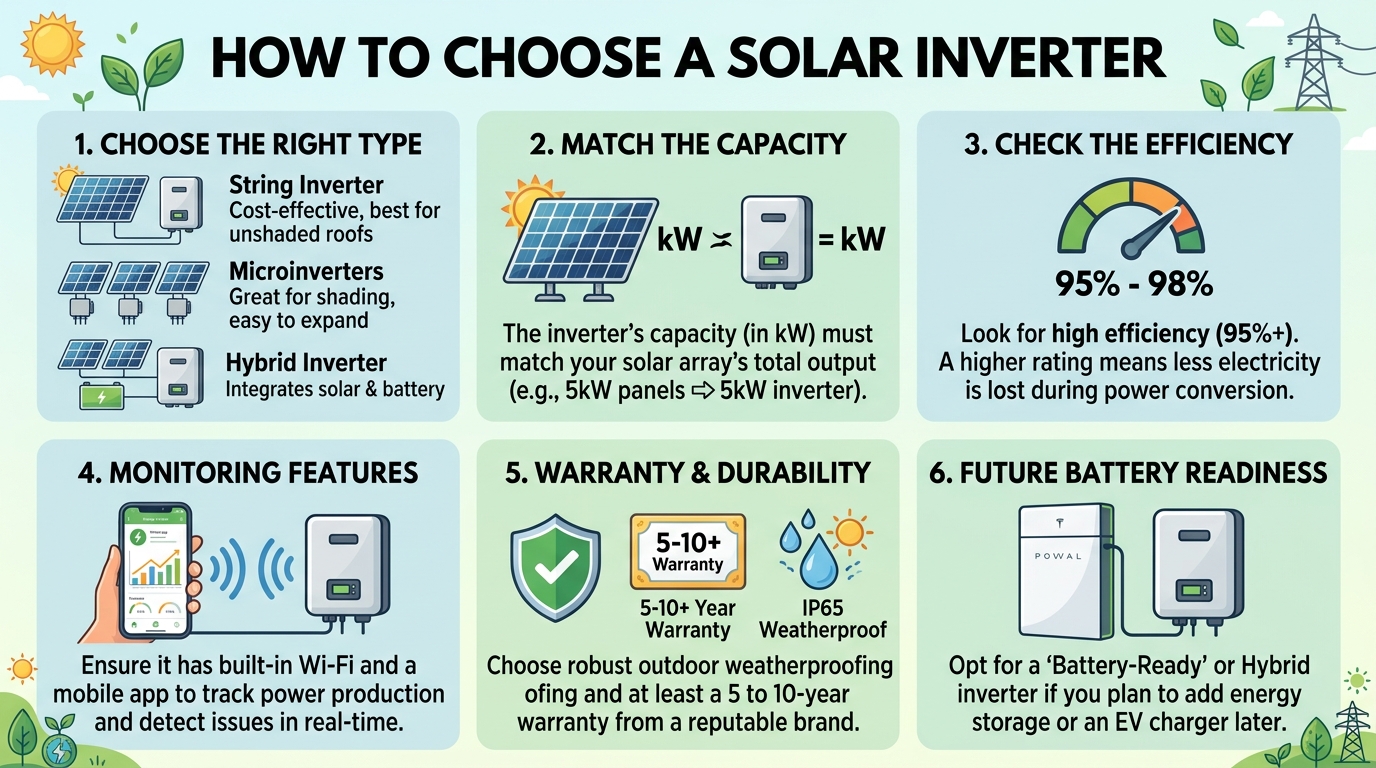
Solar inverters are crucial components in a solar power system, responsible for converting the direct current (DC) generated by solar panels into alternating current (AC) suitable for use in homes or businesses. There are three main types of solar inverters commonly used:
String Inverters
String inverters are the most common type and are typically installed in a central location. They are cost-effective and suitable for systems with unshaded roofs. However, if one panel underperforms or is shaded, the efficiency of the entire string can be affected.
Microinverters
Microinverters are installed on each individual solar panel, allowing for independent operation. They are great for systems with shading issues or complex roof designs. Although more expensive upfront, they can often result in higher overall system efficiency.
Power Optimizers
Power optimizers are a hybrid option, offering some benefits of both string inverters and microinverters. They are installed at the panel level but still function with a central inverter. Power optimizers can help mitigate shading issues and maximize system output.
Efficiency Ratings
Efficiency ratings are crucial when selecting a solar inverter for your photovoltaic system. The efficiency of an inverter indicates how well it can convert the DC electricity generated by solar panels into usable AC electricity. Higher efficiency ratings mean less energy loss during the conversion process, resulting in greater overall energy production from your solar power system.
When comparing efficiency ratings of inverters, it’s essential to consider both peak and weighted efficiency values. Peak efficiency represents the maximum efficiency level an inverter can achieve under ideal conditions, while weighted efficiency accounts for performance across a range of operating conditions. It’s recommended to choose an inverter with high weighted efficiency to ensure optimal performance throughout varying weather and sunlight conditions.
Features to Consider
Solar inverters come with a variety of features that can enhance the performance and efficiency of your solar power system. One important feature to consider is the maximum power point tracking (MPPT) technology, which allows the inverter to optimize the power output by continuously adjusting the voltage and current to match the solar panels’ maximum power point. This feature is crucial for maximizing energy production, especially in situations where shading or varying sunlight conditions are present.
Another key feature to look for is monitoring capabilities, which provide real-time data on the performance of your solar power system. Monitoring allows you to track energy production, detect issues or malfunctions, and optimize the system’s efficiency. Additionally, consider the type of inverter – whether string inverters, microinverters, or power optimizers are more suitable for your specific needs. Each type has its advantages and limitations, so it’s essential to choose the one that aligns best with your solar setup and goals.
Sizing Your Solar Inverter
Choosing the right size for your solar inverter is crucial to ensure optimal performance and efficiency of your solar power system. The size of the inverter you need is determined by the total wattage of the solar panels installed on your property. It is essential to match the inverter’s capacity with the total wattage of your solar panels to avoid underperformance or system failure.
Calculating the size of your solar inverter involves: first determining the total wattage of your solar panels, taking into account factors like shading, orientation, and tilt angle. Next, you should consider the peak power output of your panels and choose an inverter with a similar or slightly higher capacity to accommodate any power fluctuations. Consulting with a professional solar installer can help you accurately size your solar inverter based on your specific energy needs and system requirements.
Installation and Maintenance
Installation: Proper installation of a solar inverter is crucial for ensuring optimal performance of your solar power system. It is recommended to hire a professional electrician or solar installer to handle the installation process. The inverter should be installed in a well-ventilated area, away from direct sunlight and heat sources, to prevent overheating. Additionally, the inverter should be installed close to the solar panels to minimize power loss due to long cable runs.
Maintenance: Regular maintenance of your solar inverter is essential to prolong its lifespan and ensure efficient operation. It is important to regularly check for any signs of damage, loose connections, or corrosion. Clean the inverter and its surroundings to prevent dust buildup, which can affect its cooling efficiency. Monitoring the inverter’s performance through its display or monitoring software can help in detecting any issues early on. If you notice any abnormalities or a drop in performance, it is advisable to contact a professional for troubleshooting and repairs.
Solar inverters are essential components of any solar power system, converting the direct current (DC) generated by solar panels into alternating current (AC) that can be used to power your home or business. Choosing the right type of solar inverter, considering efficiency ratings, and selecting features that meet your specific needs are crucial steps in ensuring the optimal performance of your solar energy system. Proper sizing of the inverter based on your energy consumption and solar panel capacity is also key to maximizing the benefits of solar power.
Installation and regular maintenance of your solar inverter are important to ensure its longevity and efficiency. By following manufacturer guidelines and seeking professional help when needed, you can enjoy reliable and sustainable energy production from your solar power system for years to come. Investing in a quality solar inverter and taking care of it properly will not only help you save on electricity bills but also contribute to a cleaner environment by reducing your carbon footprint. Embracing solar energy is not just a smart financial decision but also a responsible choice for a greener future.