

Imagine creating a home that not only stands the test of time but also blends seamlessly with the natural environment. Building with rammed earth offers a sustainable and aesthetically pleasing alternative to traditional construction methods. This ancient technique involves compacting layers of earth within a formwork to create solid walls that are not only durable and energy-efficient but also exude a unique earthy charm. From cozy cottages to modern masterpieces, the versatility of rammed earth construction allows for endless possibilities in architectural design. Whether you’re a seasoned builder or a DIY enthusiast, exploring the art of building with rammed earth opens up a world of creativity and eco-friendly living.
Benefits of Building with Rammed Earth
Rammed earth construction offers a multitude of benefits that make it an attractive option for sustainable and durable building projects.
One of the primary advantages of using rammed earth is its environmental friendliness. The materials used in rammed earth construction, typically a mixture of earth, gravel, sand, and clay, are abundant and locally sourceable, reducing the carbon footprint associated with transportation. Additionally, the thermal mass properties of rammed earth walls help regulate indoor temperatures, reducing the need for heating and cooling systems and ultimately lowering energy costs. Rammed earth structures also have excellent fire resistance, making them a safe choice for areas prone to wildfires.
Tools and Materials Needed for Rammed Earth Construction
Tools: The primary tools required for rammed earth construction include a rammer, which is a long-handled tool used to compact the soil within the formwork. Additionally, you will need formwork materials such as wood, metal, or other suitable materials to contain the rammed earth mixture during compaction. Other essential tools include shovels for mixing the soil, a level for ensuring even walls, and a tamping tool for finishing touches.
Materials: The key material for rammed earth construction is the earth itself, which should have a high clay content for optimal compaction and strength. It is crucial to source clean, well-graded soil to ensure a durable and stable structure. Depending on the soil composition, you may need to add stabilizers such as cement or lime to enhance the strength of the mixture. Additionally, you will need water to moisten the soil before compaction and any additional additives required for specific project requirements.
Step-By-Step Guide to Rammed Earth Building
Site Preparation: Begin by clearing the construction site of any debris or vegetation. Level the ground and mark the boundaries of the structure. Ensure proper drainage is in place to prevent water damage to the rammed earth walls.
Soil Selection: Choose a suitable soil mix for your rammed earth construction. The ideal soil should have a good clay content for cohesion and silt and sand for stability. Test the soil to ensure it meets the necessary compaction and strength requirements.
Formwork Setup: Construct formwork using wood or metal frames to define the shape and size of the walls. Make sure the formwork is strong and well-supported to withstand the pressure of ramming the earth mixture.
Earth Mixing: Mix the selected soil with a small amount of water to achieve the right moisture content. The mixture should be damp enough to hold its shape when compacted but not too wet to cause slumping.
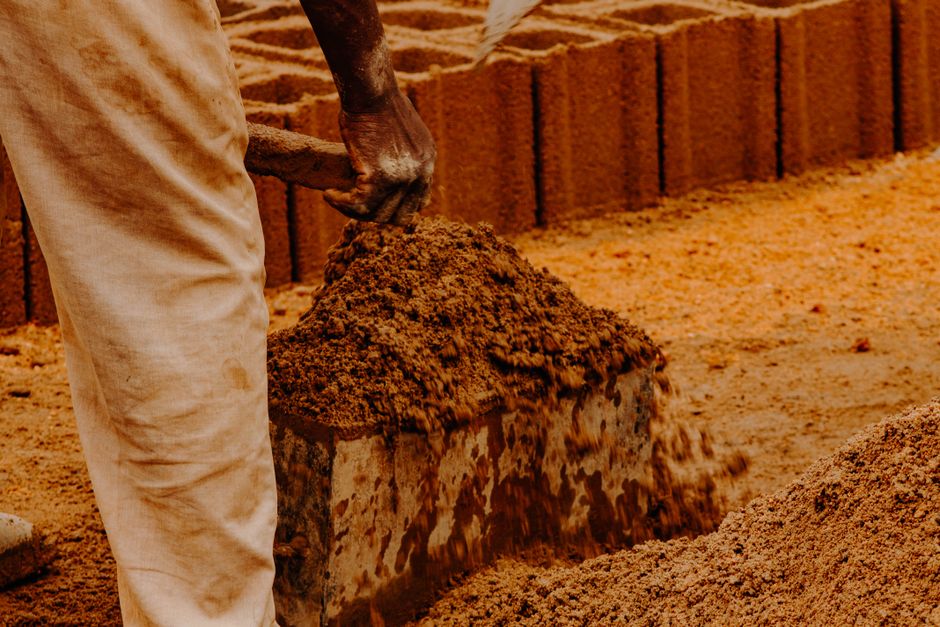
Ramming Process: Layer the moist earth mixture into the formwork in small increments, typically around 6 inches thick. Use a manual or mechanical tamper to compact each layer thoroughly. Repeat the process until the desired wall height is reached.
Curing and Finishing: Allow the rammed earth walls to cure for several weeks, keeping them moist to promote proper hardening. Once cured, remove the formwork carefully and finish the walls with appropriate techniques such as polishing, staining, or sealing to enhance their appearance and durability.
Finishing Techniques for Rammed Earth Walls
Finishing techniques play a crucial role in enhancing the aesthetics and durability of rammed earth walls. One popular method is polishing, which involves smoothing the surface of the wall to create a sleek and refined look. This technique not only improves the visual appeal of the wall but also helps in reducing dust accumulation and moisture penetration.
Another common finishing technique is staining or coloring the rammed earth walls. This allows builders to add a touch of color to the walls, enhancing their overall appearance and blending them seamlessly with the surrounding environment. Additionally, staining or coloring can provide an extra layer of protection against weathering and UV damage, prolonging the lifespan of the walls. It is essential to choose high-quality stains or pigments that are compatible with the natural properties of rammed earth to ensure long-lasting results.
Maintenance Tips for Rammed Earth Structures
Rammed earth structures are known for their durability and sustainability, but like any building material, they require maintenance to ensure their longevity. One crucial maintenance tip for rammed earth structures is to regularly inspect the walls for any signs of erosion, cracking, or water damage. Addressing these issues promptly can prevent further deterioration and maintain the structural integrity of the walls.
Another important maintenance consideration is to protect the rammed earth walls from excessive moisture. Proper drainage systems, such as gutters and downspouts, can help divert water away from the walls and prevent water infiltration, which can weaken the earth mixture over time. Additionally, applying a breathable sealant or finish to the walls can help protect them from moisture while still allowing the walls to “breathe” and maintain their natural appearance.
Case Studies of Rammed Earth Buildings
Rammed earth construction has been gaining popularity due to its sustainability and durability. Several case studies highlight the successful implementation of rammed earth buildings in various locations around the world.
One notable case study is the Nk’Mip Desert Cultural Centre in British Columbia, Canada. This award-winning building showcases the beauty and functionality of rammed earth construction, blending seamlessly with the surrounding desert landscape. Another example is the Great Wall of WA in Australia, a luxury eco-retreat built using rammed earth techniques, emphasizing the connection between architecture and nature.