
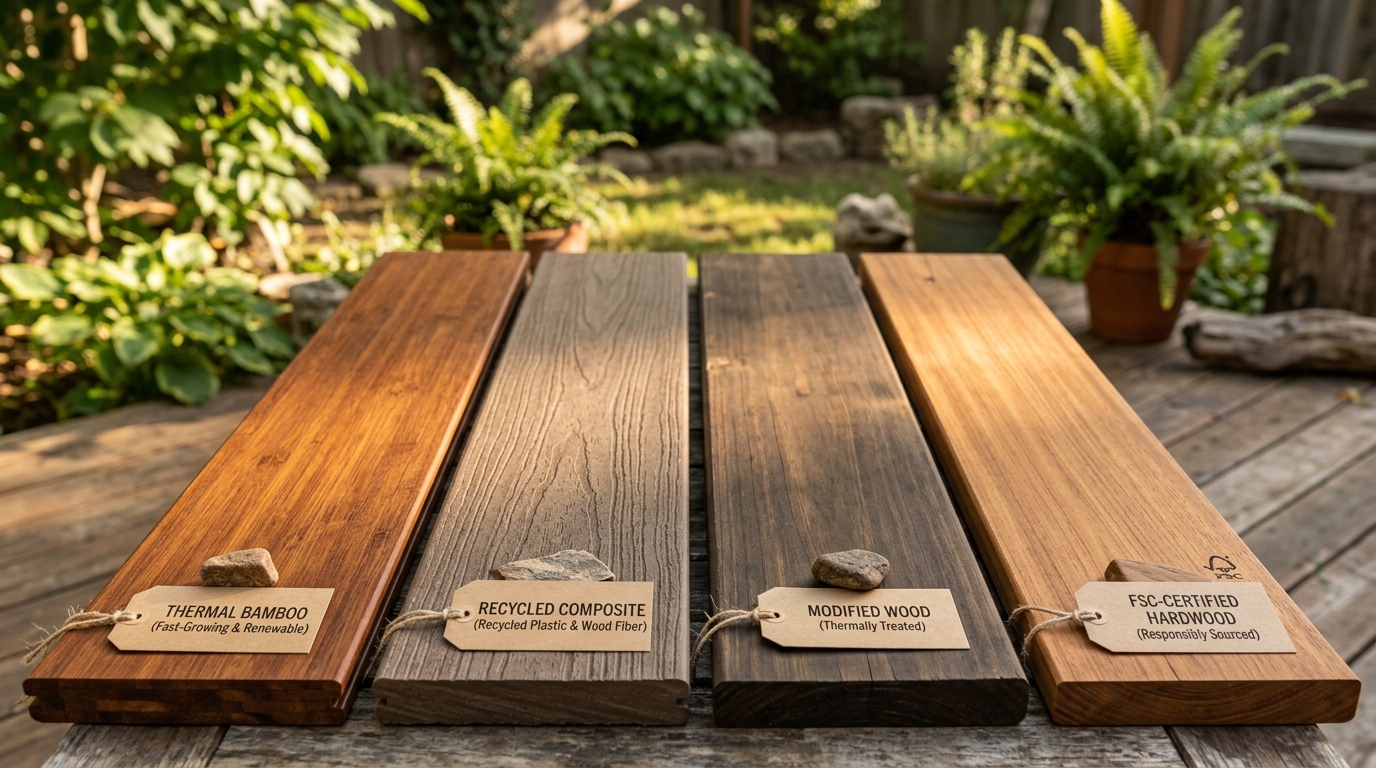
Looking to build a deck that’s not only stunning but also eco-friendly? The quest for sustainable decking materials is on the rise, as more and more homeowners seek to minimize their environmental impact without compromising on style. From reclaimed wood to composite materials made from recycled plastics, there are a plethora of options available for those looking to create a deck that’s as kind to the planet as it is beautiful. By selecting the best sustainable decking materials, you can enjoy your outdoor space guilt-free, knowing that you’ve made a choice that benefits both your home and the environment.
Benefits of Sustainable Decking Materials
Sustainable decking materials offer numerous benefits for both homeowners and the environment. One of the primary advantages is their eco-friendly nature, as these materials are often sourced from renewable resources or recycled materials. By opting for sustainable decking, homeowners can reduce their carbon footprint and contribute to a greener future.
Additionally, sustainable decking materials are known for their durability and low maintenance requirements. These materials are designed to withstand harsh weather conditions, resist rotting and decay, and require minimal upkeep compared to traditional wood decking. This not only saves homeowners time and money in the long run but also ensures that the deck remains aesthetically pleasing for years to come.
Wood Decking Options
Wood decking is a classic and popular choice for outdoor decks due to its natural beauty, versatility, and affordability. Common wood options include pressure-treated pine, cedar, redwood, and tropical hardwoods like ipe and mahogany. Pressure-treated pine is a cost-effective choice, but it requires regular maintenance to prevent rot and decay. Cedar and redwood offer natural resistance to insects and decay, making them more durable options. Tropical hardwoods are known for their strength and durability but come with a higher price tag.
When choosing wood decking, consider factors such as maintenance requirements, durability, sustainability, and budget. It’s essential to regularly seal and stain wood decks to protect them from the elements and extend their lifespan. Additionally, selecting wood from sustainable sources ensures that your decking choice is environmentally friendly. Overall, wood decking provides a traditional and timeless look for outdoor spaces, making it a popular option for homeowners seeking a natural aesthetic for their decks.
Composite Decking Choices
Composite decking offers a durable and low-maintenance alternative to traditional wood decking. Made from a combination of wood fibers and recycled plastic, composite decking boards are designed to resist fading, staining, scratching, and mold growth. This makes them an excellent choice for homeowners looking for a long-lasting and hassle-free decking option.
Composite decking comes in a variety of colors and styles, allowing homeowners to customize their outdoor living space to suit their preferences. Additionally, composite decking is eco-friendly as it is made from recycled materials and does not require the same level of maintenance as wood decking. While the initial cost of composite decking may be higher than wood decking, the long-term savings in maintenance and replacement costs make it a cost-effective choice for many homeowners.

Bamboo Decking Alternatives
Bamboo decking is becoming a popular alternative to traditional wood and composite decking materials due to its sustainability and durability. Bamboo is a fast-growing grass that can be harvested every 3-5 years, making it an environmentally friendly choice for decking projects. Additionally, bamboo decking is naturally resistant to pests, mold, and mildew, reducing the need for chemical treatments.
Furthermore, bamboo decking offers a unique aesthetic appeal with its natural grain patterns and rich coloring. It is also a low-maintenance option, requiring minimal upkeep compared to wood decking. With proper installation and care, bamboo decking can last for many years, providing a beautiful and eco-friendly outdoor living space for homeowners.
Recycled Plastic Decking
Recycled plastic decking offers a sustainable and eco-friendly alternative to traditional wood or composite decking materials. Made from a blend of recycled plastics, such as milk jugs and plastic bags, this type of decking helps divert plastic waste from landfills and oceans, contributing to a cleaner environment. Recycled plastic decking is durable, long-lasting, and requires minimal maintenance, making it a practical choice for outdoor decking projects.
One of the key advantages of recycled plastic decking is its resistance to rot, mold, and insects, unlike traditional wood decking that may require frequent treatments or replacements due to these issues. Additionally, recycled plastic decking is available in various colors and styles, allowing homeowners to customize their outdoor living spaces to suit their preferences. Overall, recycled plastic decking is a sustainable, low-maintenance, and visually appealing option for those looking to build a deck with environmentally friendly materials.
Choosing the right decking material is crucial for the longevity and sustainability of your outdoor living space. Whether you opt for traditional wood decking, modern composite materials, eco-friendly bamboo, or innovative recycled plastic options, each choice comes with its unique benefits and considerations. It’s essential to weigh factors such as durability, maintenance requirements, eco-friendliness, and cost when making your decision.
Ultimately, the best decking material for you will depend on your specific needs, preferences, and budget. By selecting a material that aligns with your values and lifestyle, you can create a beautiful and functional outdoor space that enhances the beauty of your home while minimizing environmental impact. Remember to prioritize quality installation and proper maintenance to ensure that your deck remains a safe and enjoyable space for years to come.