
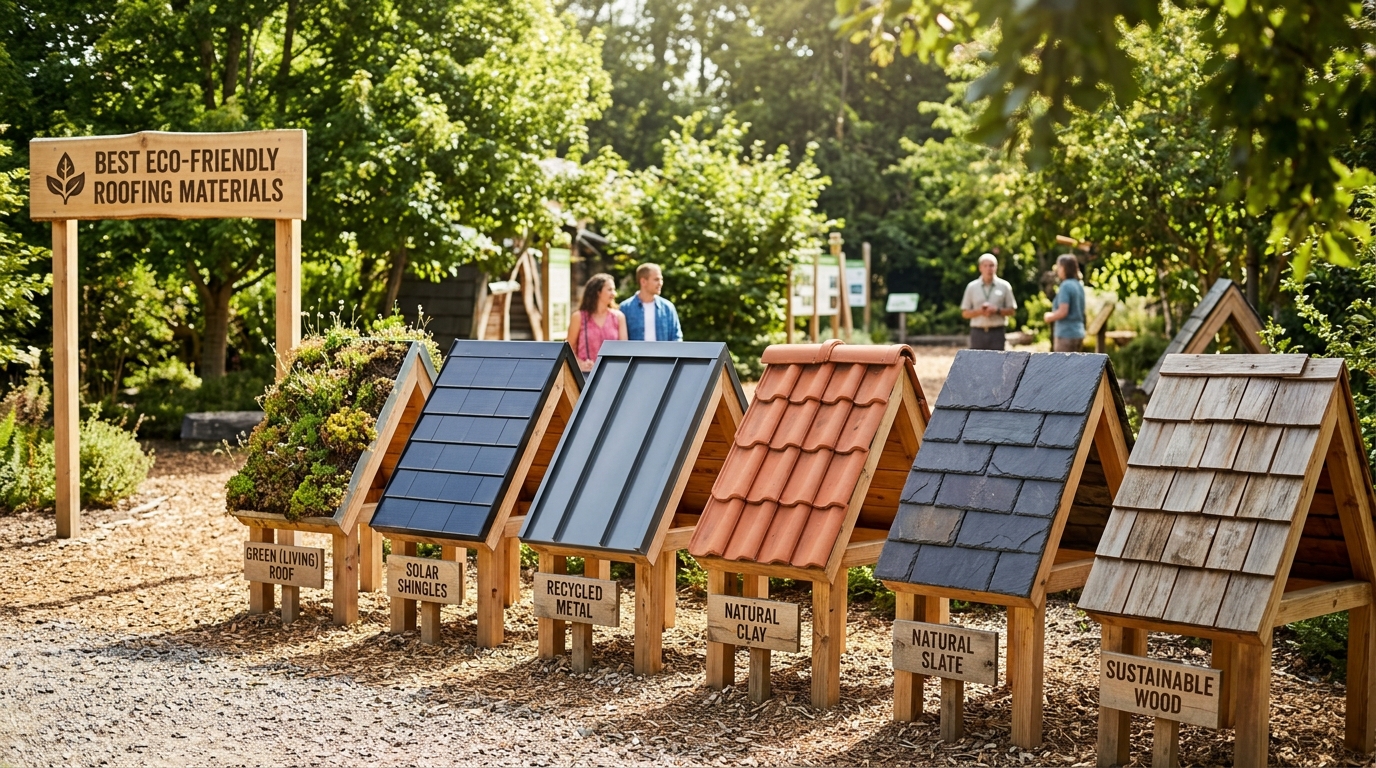
Looking to upgrade your roof while also helping the environment? Look no further than eco-friendly roofing materials! Choosing sustainable options not only reduces your carbon footprint but also saves you money in the long run. From solar panels to recycled shingles, there are plenty of choices available that are both environmentally friendly and stylish. Make a positive impact on the planet while giving your home a fresh new look with the best eco-friendly roofing materials on the market.
Types of Eco-Friendly Roofing Materials
Eco-friendly roofing materials come in various types, each offering unique benefits for sustainable construction. One common type is solar roofing, which integrates solar panels into the roof to harness renewable energy. Another popular option is metal roofing, which is durable, recyclable, and energy-efficient. Green roofs are also gaining popularity, featuring living vegetation that helps reduce energy consumption and improve air quality.
Additionally, recycled shingles made from materials like rubber, plastic, or wood offer a sustainable alternative to traditional roofing materials. Wood shingles and shakes sourced from responsibly managed forests provide a natural and biodegradable roofing option. Lastly, cool roofs reflect sunlight and heat away from the building, reducing cooling costs and minimizing the urban heat island effect.
Cost Comparison of Eco-Friendly Roofing Materials
Eco-friendly roofing materials can vary in cost compared to traditional roofing materials. While the initial cost of eco-friendly options might be higher, the long-term savings can often offset this difference. For example, materials like metal roofs or solar panels may have a higher upfront cost but can provide significant energy savings over time, leading to lower utility bills. It’s essential to consider the overall lifecycle cost when comparing eco-friendly roofing materials.
Additionally, some eco-friendly roofing materials may qualify for tax incentives or rebates, further reducing the overall cost. When evaluating the cost of eco-friendly roofing materials, it’s crucial to factor in not only the initial installation expenses but also the potential savings and benefits they can provide in terms of energy efficiency, durability, and environmental impact in the long run.
Installation Process for Eco-Friendly Roofing Materials
Installing eco-friendly roofing materials requires careful planning and attention to detail. The first step is to remove the existing roofing materials, ensuring proper disposal or recycling to minimize environmental impact. Next, any necessary repairs or modifications to the roof structure should be addressed before installing the new eco-friendly materials.
Once the roof is prepared, the installation process can begin. Depending on the type of eco-friendly material chosen, installation methods may vary. For example, solar panels may need to be mounted on the roof, while green roofs require a specialized layering system. It is crucial to follow manufacturer guidelines and best practices to ensure a proper and effective installation that maximizes the benefits of eco-friendly roofing materials.
Maintenance Tips for Eco-Friendly Roofing Materials
Regular Inspections: One of the key maintenance tips for eco-friendly roofing materials is to conduct regular inspections. Check for any signs of damage, such as cracks, leaks, or missing shingles. By identifying and addressing issues early, you can prevent more extensive damage to your roof.
Cleaning: Keeping your eco-friendly roof clean is essential for its longevity. Remove debris such as leaves, branches, and dirt regularly to prevent clogging of gutters and water drainage systems. Depending on the type of roofing material, you may need to use specific cleaning methods to avoid causing damage.
Environmental Impact of Eco-Friendly Roofing Materials
Eco-friendly roofing materials have a significantly lower environmental impact compared to traditional roofing materials. One key aspect is the reduction of carbon footprint during the production process. Materials such as metal, clay, or recycled shingles require less energy to manufacture, resulting in lower emissions of greenhouse gases. Additionally, eco-friendly materials often have longer lifespans, reducing the frequency of replacements and the associated waste disposal.
Furthermore, eco-friendly roofing materials can contribute to energy efficiency and sustainability of buildings. For example, cool roofs made of reflective materials can help reduce the urban heat island effect by reflecting more sunlight and absorbing less heat. This can lead to lower energy consumption for cooling, decreasing the demand for electricity and reducing carbon emissions. Overall, choosing eco-friendly roofing materials can have a positive impact on the environment by promoting resource conservation and mitigating climate change.
Choosing the Right Eco-Friendly Roofing Material
Choosing the right eco-friendly roofing material for your home is a crucial decision that can impact both the environment and your wallet. There are several factors to consider when making this choice. First, evaluate the climate in which you live to determine the most suitable roofing material for your area. Some materials perform better in certain climates, providing better insulation or durability.
Next, consider the longevity and maintenance requirements of the roofing material. While some materials may have a higher upfront cost, they could prove to be more cost-effective in the long run due to their durability and low maintenance needs. Additionally, look for roofing materials that are made from sustainable or recycled materials to minimize environmental impact. Finally, consult with roofing professionals to get expert advice on the best eco-friendly roofing material for your specific needs and budget.