
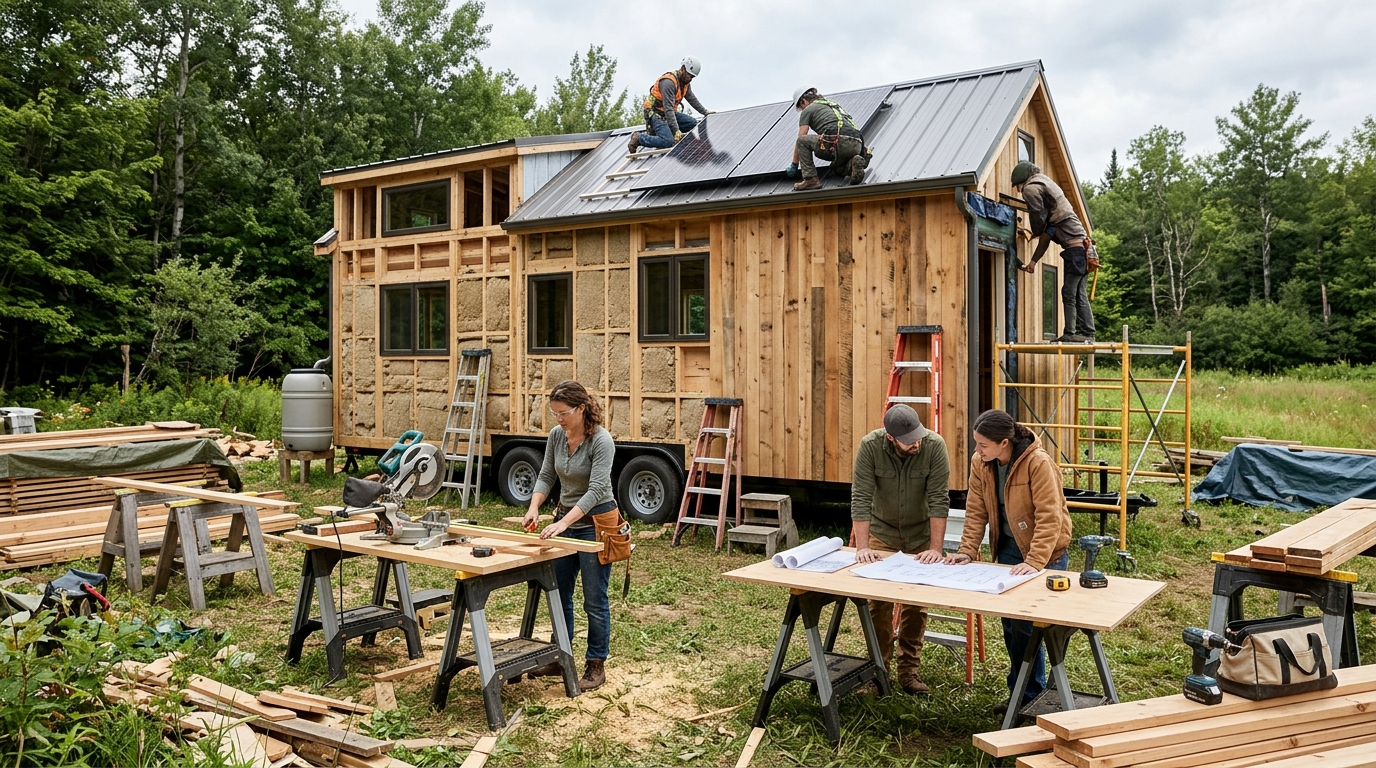
Imagine living in a cozy, eco-friendly sanctuary that not only minimizes your carbon footprint but also brings you closer to nature. Building a sustainable tiny house is not just a trend, it’s a lifestyle choice that can revolutionize the way we think about living spaces. From utilizing recycled materials to harnessing renewable energy sources, creating a sustainable tiny house is a rewarding and fulfilling project that can benefit both you and the environment. Join the growing community of tiny house enthusiasts and embark on a journey towards a simpler, greener way of living.
Choosing the Right Location
One of the most crucial decisions when building a tiny house is selecting the right location. The location will not only impact your daily life but also affect the overall sustainability and cost-effectiveness of your tiny house. When choosing a location, consider factors such as local zoning laws, access to utilities, proximity to amenities, and environmental impact.
Local zoning laws: Before settling on a location, ensure that you are allowed to build a tiny house on the chosen site. Some areas have restrictions on the size and type of structures that can be built, so be sure to check the local zoning laws and regulations.
Designing Your Tiny House
Maximizing Space: When designing your tiny house, it is essential to focus on maximizing space efficiency. Consider using multi-functional furniture, such as a sofa that can also serve as a bed or storage compartments built into stairs. Utilize vertical space by installing shelves or cabinets up high and opting for a loft sleeping area to free up floor space.
Optimizing Natural Light and Ventilation: Natural light can make a small space feel brighter and more spacious. Design your tiny house with large windows, skylights, and glass doors to allow plenty of natural light in. Additionally, consider cross ventilation to keep the space well-ventilated and comfortable. Proper placement of windows and vents can help regulate temperature and reduce the need for artificial lighting and cooling.
Section 4: Sustainable Materials and Construction
Sustainable materials and construction are crucial aspects to consider when building a tiny house. Opting for eco-friendly materials not only reduces the environmental impact of your construction but also promotes a healthier living space. Look for materials that are renewable, recyclable, locally sourced, and non-toxic. For example, consider using reclaimed wood, bamboo, recycled metal, or natural insulation materials like wool or cellulose. These choices can help minimize carbon footprint and contribute to a more sustainable lifestyle.
Furthermore, sustainable construction practices such as passive solar design, efficient insulation, and proper sealing can enhance energy efficiency and reduce utility costs in the long run. Incorporating sustainable principles into your tiny house project not only benefits the environment but also creates a comfortable and healthy living environment for you and future generations. By prioritizing sustainability in your materials and construction methods, you can create a tiny house that is not only beautiful and functional but also environmentally responsible.
Off-Grid Systems
Off-grid systems are essential for tiny house living, providing self-sufficiency and independence from traditional utility services. These systems typically include solar panels, wind turbines, and batteries to generate and store electricity. Solar panels are a popular choice due to their efficiency and low maintenance requirements. They harness energy from the sun, converting it into electricity to power appliances and lighting within the tiny house.
Wind turbines can complement solar panels by generating electricity on cloudy days or during the night when solar energy is not as readily available. Battery banks are used to store excess energy generated by the off-grid system for use when sunlight or wind is limited. Proper sizing and maintenance of off-grid systems are crucial to ensure a reliable and sustainable power source for a tiny house, offering a greener and more cost-effective alternative to traditional utility connections.
Waste Management and Recycling
Effective waste management is crucial in a tiny house to maximize space efficiency and minimize environmental impact. Implementing a system for sorting and recycling waste can help reduce the amount of trash that ends up in landfills. Consider incorporating separate bins for different types of waste, such as compost, recyclables, and general trash. This will not only help keep your tiny house organized but also contribute to a more sustainable lifestyle.
Recycling materials during the construction phase of your tiny house can also be an eco-friendly choice. Look for opportunities to repurpose materials from other projects or salvage items from demolition sites. Using recycled materials not only reduces waste but also adds character to your tiny house. Additionally, consider investing in durable and long-lasting materials to minimize the need for replacements, further reducing waste in the long run.
Building a tiny house is a rewarding journey that requires careful planning and consideration of various factors. Throughout this guide, we have explored important aspects such as choosing the right location, designing your tiny house, using sustainable materials and construction techniques, implementing off-grid systems, and managing waste effectively.
By carefully selecting a suitable location, designing a functional and aesthetically pleasing tiny house, incorporating sustainable practices, and utilizing off-grid systems, you can create a comfortable and eco-friendly living space. It is crucial to prioritize sustainability, efficiency, and resourcefulness in every step of the tiny house building process to minimize environmental impact and live a more sustainable lifestyle.