

Ready to make a positive impact on the planet from the comfort of your own home? Setting up a home recycling station is an easy and effective way to reduce waste and promote sustainability. By organizing your recycling process, you can streamline your efforts and make a difference one bottle or can at a time. Creating a designated space for recycling not only helps the environment but also encourages others in your household to participate in the recycling effort. So, grab those bins and let’s get started on setting up a home recycling station that will make Mother Earth proud!
Benefits of Recycling at Home
Recycling at home offers numerous benefits to both the environment and your community. One of the primary advantages is the conservation of natural resources. By recycling materials such as paper, plastic, glass, and metal, we reduce the need for raw materials extraction, which helps in preserving forests, reducing energy consumption, and minimizing greenhouse gas emissions.
Furthermore, recycling at home plays a crucial role in reducing waste sent to landfills. By diverting recyclable materials from the trash, we can extend the lifespan of landfills, mitigate pollution risks, and decrease the overall environmental impact of waste disposal. Additionally, recycling promotes a circular economy by turning used materials into new products, fostering sustainability, and creating economic opportunities in the recycling industry.
Choosing the Right Recycling Bins
When setting up a recycling system at home, one of the key decisions is choosing the right recycling bins. It’s essential to have separate bins for different types of materials, such as paper, plastic, glass, and metal, to make sorting easier. Look for bins that are clearly labeled and color-coded to indicate what type of waste should be placed in each one. This helps prevent contamination and ensures that the materials can be properly recycled.
Consider the size and number of bins based on your household’s recycling habits. If your family generates a lot of recyclable materials, you may need larger bins or multiple bins for each type of material. Make sure the bins are easily accessible in your home, such as in the kitchen or garage, to encourage everyone to participate in recycling. Additionally, choose bins that are durable and easy to clean to maintain proper hygiene. By selecting the right recycling bins, you can streamline the recycling process and make it more convenient for everyone in your household to participate in sustainable practices.
Organizing Your Home Recycling Station
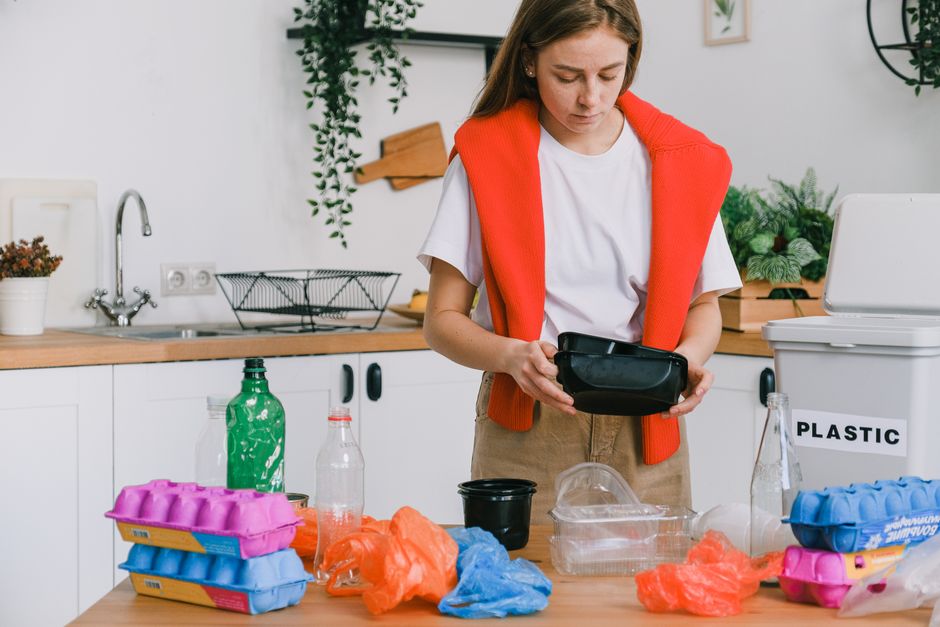
Creating an efficient recycling station at home is essential for effectively managing your recyclables. Start by designating a specific area in your home for recycling bins. This area should be easily accessible and visible to encourage everyone in the household to participate in recycling efforts. Consider placing the recycling station near the kitchen or garage, where most waste is generated.
Labeling each recycling bin with the type of materials that should be placed in them can help streamline the recycling process. Common categories include paper, plastic, glass, and metal. Additionally, having a separate bin for items that need special recycling, such as batteries or electronics, can ensure that these items are properly disposed of. Regularly emptying the bins and taking them to a recycling center will help maintain a clean and organized recycling station in your home.
Tips for Efficient Recycling
Reduce and Reuse: One of the most effective ways to improve recycling efficiency is to reduce waste generation in the first place. By opting for products with minimal packaging and finding creative ways to reuse items, you can significantly decrease the amount of waste that needs to be recycled.
Know What Can Be Recycled: Educate yourself on what materials are accepted for recycling in your area. Different municipalities have varying guidelines on recyclable materials, so it’s essential to be informed to avoid contaminating the recycling stream with non-recyclable items.
Rinse and Clean Items: Before tossing items into the recycling bin, make sure to rinse and clean them to remove any food residue or contaminants. This simple step helps prevent contamination of other recyclables and ensures a higher quality of materials for the recycling process.
Keep Recycling Bins Handy: Place recycling bins in convenient locations throughout your home to encourage proper disposal of recyclable items. Having easily accessible bins in key areas like the kitchen, living room, and home office can make recycling a seamless part of your daily routine.
Common Recycling Mistakes to Avoid
Not cleaning recyclables: One common mistake people make is not properly cleaning recyclable items before placing them in the recycling bin. Food residue or liquids left in containers can contaminate other recyclables and reduce the quality of the materials for recycling. Make sure to rinse out bottles, cans, and containers before recycling them.
Wishful recycling: Wishful recycling is when someone puts items in the recycling bin that they hope or think can be recycled, even if they are not accepted by the recycling facility. This can lead to contamination of the recycling stream and cause more harm than good. It’s important to only recycle materials that are accepted by your local recycling program.
Not checking local recycling guidelines: Each municipality or region may have different recycling guidelines and accepted materials. Not checking these guidelines can lead to incorrect recycling practices, which can result in recyclables being sent to the landfill instead of being properly recycled. It’s crucial to familiarize yourself with the specific recycling rules in your area to ensure you are recycling correctly.
Recycling at home is a simple yet impactful way to contribute to a sustainable environment. By taking small steps like separating recyclables, reducing waste, and educating oneself on proper recycling practices, individuals can make a significant difference in reducing their carbon footprint. It is crucial for everyone to understand the importance of recycling and to actively participate in waste management efforts.
Remember, every action counts, no matter how small it may seem. Encouraging others to recycle, staying informed about local recycling guidelines, and continuously looking for ways to improve recycling habits are key to creating a greener and cleaner future for generations to come. Let’s all commit to making recycling a daily habit and strive towards a more sustainable and eco-friendly lifestyle.