
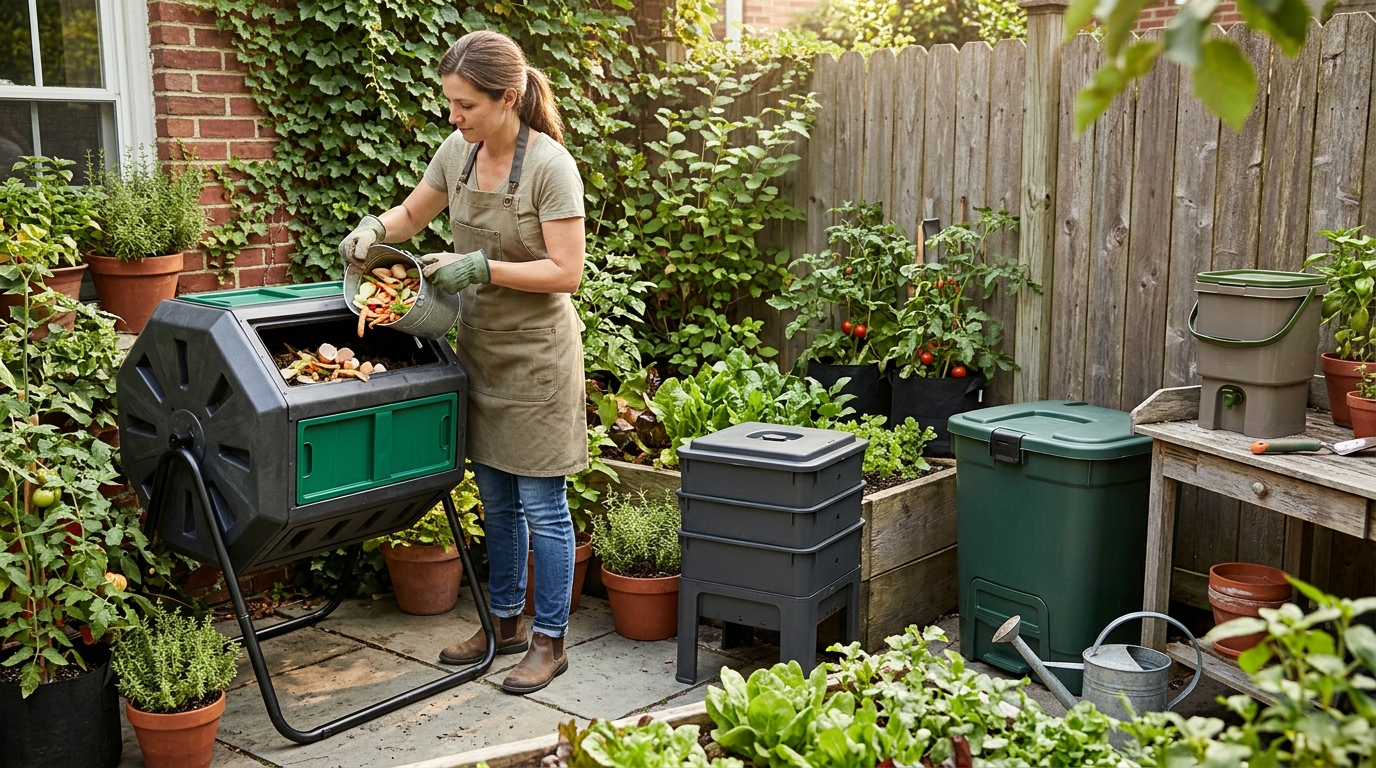
Looking to turn your small garden into a thriving oasis of greenery? Look no further than the best compost bins specifically designed for compact spaces! These handy tools not only help reduce waste but also provide nutrient-rich soil for your plants to flourish. Say goodbye to traditional bulky compost bins that take up too much space and hello to these efficient and stylish options that are perfect for small gardens. Let’s dive into the top recommendations that will transform your gardening experience and help you create a sustainable and eco-friendly environment right in your backyard.
Benefits of Composting
Composting offers numerous benefits for both the environment and gardeners alike. One of the primary advantages is the reduction of waste sent to landfills, which helps lower greenhouse gas emissions. By composting organic materials such as food scraps and yard waste, you can create nutrient-rich soil amendment that improves soil structure, fertility, and moisture retention. This, in turn, leads to healthier plants with increased resistance to pests and diseases.
Furthermore, composting is a sustainable practice that promotes recycling and conservation of resources. It allows you to divert biodegradable waste from the trash, reducing the need for chemical fertilizers and pesticides in your garden. Composting also helps in sequestering carbon in the soil, contributing to mitigating climate change. Overall, the benefits of composting extend beyond the garden, positively impacting the environment and creating a more sustainable way of living.
Factors to Consider When Choosing a Compost Bin
Size: One of the primary factors to consider when choosing a compost bin is the size. The size of the bin should be proportional to the amount of organic waste you generate. If you have a small garden or produce limited food scraps, a smaller compost bin may suffice. However, for larger gardens or households, a larger compost bin with more capacity may be necessary.
Material: Compost bins come in various materials such as plastic, wood, metal, and ceramic. Each material has its own pros and cons. Plastic bins are lightweight and durable, but may not be as aesthetically pleasing. Wooden bins are natural-looking and blend well in garden settings, but they may require more maintenance. Metal bins are sturdy and long-lasting, but they can be prone to rust. Ceramic bins are stylish and decorative, but they may be more fragile. Consider the material that best suits your needs and preferences.
Top 5 Compost Bins for Small Gardens
Envirocycle Mini Composting Tumbler: The Envirocycle Mini Composting Tumbler is a compact and durable compost bin perfect for small gardens. It features a tumbler design that makes turning and aerating the compost easy. With its sleek look and efficient composting process, this bin is a great choice for those with limited space.
FCMP Outdoor IM4000 Tumbling Composter: The FCMP Outdoor IM4000 Tumbling Composter is another excellent option for small gardens. It has a large capacity for its size and is designed to efficiently mix and aerate the compost. The tumbling mechanism makes it easy to turn the compost regularly, resulting in faster decomposition.
Redmon Green Culture Compost Bin: The Redmon Green Culture Compost Bin is a budget-friendly option that is ideal for beginners or those with limited space. It has a small footprint, making it perfect for small gardens or balconies. This compost bin is simple to use and effective at creating nutrient-rich compost for your plants.
Miracle-Gro Small Composter: The Miracle-Gro Small Composter is a compact and sturdy compost bin that is designed for small outdoor spaces. It features a secure lid to keep pests out and aeration vents to ensure proper airflow. This bin is easy to assemble and use, making it a convenient choice for small gardeners.
EJWOX Composting Tumbler: The EJWOX Composting Tumbler is a dual-chamber compost bin that is perfect for small gardens. It allows you to have one chamber for composting while the other side matures. This design is efficient and helps ensure a continuous supply of compost for your plants. The bin is sturdy, easy to rotate, and provides a hassle-free composting experience.
DIY Compost Bin Ideas
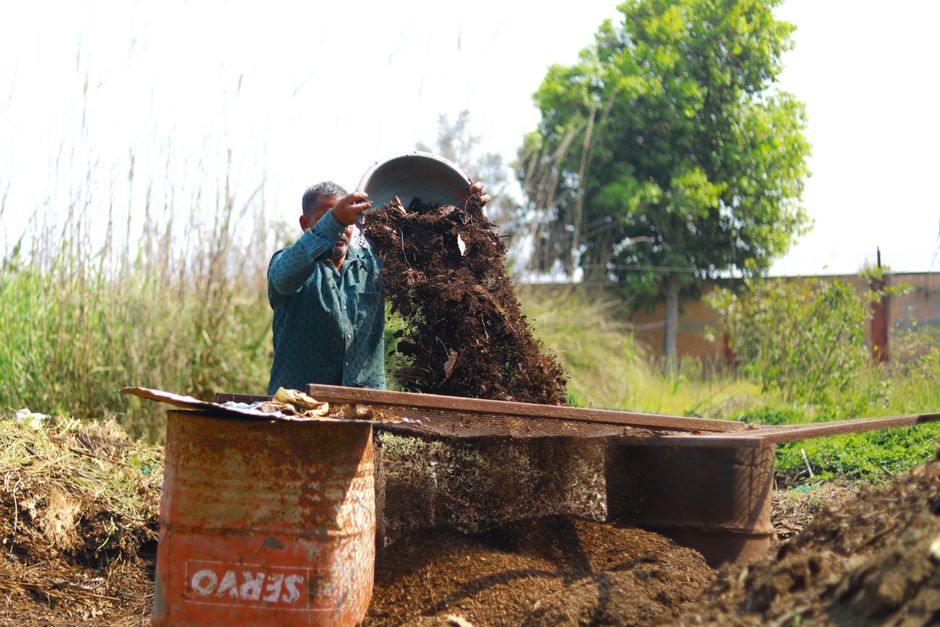
Creating your own compost bin can be a cost-effective and environmentally friendly way to manage organic waste at home. One simple option is to repurpose a plastic storage bin by drilling holes in the lid and sides for aeration. This DIY solution allows you to control the size and ventilation of your compost pile while keeping pests out.
Another popular DIY compost bin idea is using wooden pallets to construct a simple and rustic composting system. By securing the pallets together to form a box-like structure, you can easily create a large composting area that is both functional and visually appealing. This method provides ample space for composting materials to decompose naturally, turning your kitchen scraps and yard waste into nutrient-rich soil for your garden.
How to Maintain Your Compost Bin
Maintaining your compost bin is essential to ensure that the decomposition process runs smoothly and efficiently. Regularly turning the compost pile helps aerate it, providing oxygen to the microorganisms responsible for breaking down the organic matter. This process also helps distribute moisture evenly, preventing the pile from becoming too wet or too dry.
Monitoring the temperature of the compost pile is another important aspect of maintenance. Ideally, the temperature should be between 110-160°F (43-71°C) to promote the activity of beneficial bacteria. If the temperature is too low, the decomposition process slows down, while excessively high temperatures can kill off beneficial microorganisms. Adjusting the carbon-to-nitrogen ratio by adding more green or brown materials can help regulate the temperature.
Composting is a simple yet effective way to reduce waste and create nutrient-rich soil for your garden. By converting organic waste into compost, you can help the environment by reducing methane emissions from landfills and minimizing the need for chemical fertilizers. Additionally, composting can save you money on gardening supplies and produce healthier plants with increased resistance to pests and diseases.
In conclusion, incorporating composting into your gardening routine is a sustainable practice that offers numerous benefits for both you and the environment. Whether you choose a traditional compost bin or opt for a DIY solution, the key is to maintain a good balance of green and brown materials, keep the pile moist but not waterlogged, and turn it regularly to aerate the composting process. Start composting today and witness the transformation of your food scraps and yard waste into a valuable resource for your garden.